

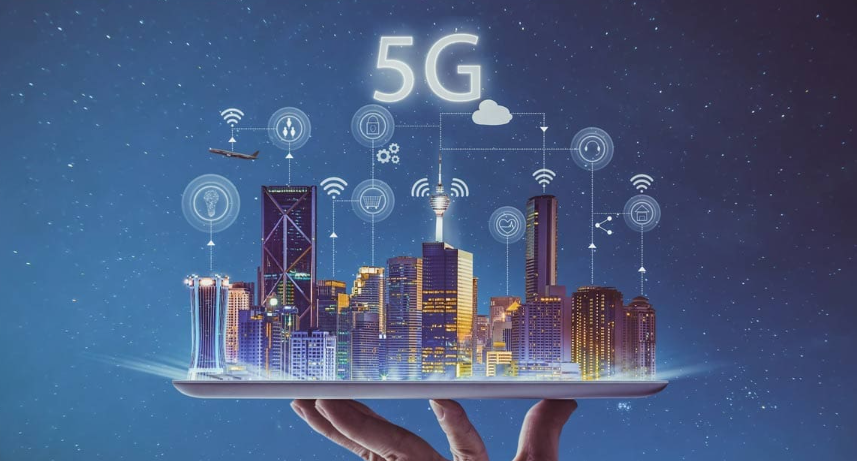
5G technology is much more than just a faster mobile network—it’s a transformative force that will shape the way we live, work, and interact with the digital world. As 5G networks continue to roll out across the globe, businesses and consumers alike will experience profound changes in their connectivity, efficiency, and everyday experiences.
In this article, we explore the far-reaching impact of 5G on businesses and consumers, examining how it will affect industries, foster innovation, and change the way people live.
1. What is 5G and Why Does it Matter?
5G, or fifth-generation wireless technology, is the latest evolution in mobile networks. It promises to deliver faster speeds, lower latency, and greater connectivity compared to previous generations like 4G. But its impact extends beyond mere speed—5G is designed to handle the growing demand for data and support new applications, ranging from Internet of Things (IoT) devices to autonomous vehicles.
See also: The Future of Technology: 10 Groundbreaking Trends to Watch in 2025
How 5G is Different from 4G
The key difference between 5G and its predecessor, 4G, lies in the speed and capacity it can handle. 5G promises speeds up to 100 times faster than 4G, allowing for faster downloads, seamless streaming, and real-time interactions. This leap in technology opens the door for innovations that were previously not possible.
2. The Impact of 5G on Businesses
Increased Efficiency and Productivity
For businesses, 5G is more than just a connectivity upgrade—it’s a productivity boost. With faster and more reliable internet, employees can collaborate more efficiently, access large datasets quickly, and work on cloud-based applications without the usual delays. Industries like manufacturing, healthcare, and logistics will experience a revolution in their daily operations.
New Business Models and Opportunities
5G paves the way for entirely new business models. With its low latency and high data throughput, businesses can explore innovations like augmented reality (AR), virtual reality (VR), and immersive experiences. Companies in the entertainment, education, and real estate sectors, for example, are already experimenting with these technologies to create new customer experiences.
Enhanced Customer Service and Interaction
For customer service teams, 5G enables faster, real-time interactions. With clearer video calls, instant responses to queries, and the ability to troubleshoot remotely, businesses can provide better support to their customers, driving satisfaction and loyalty.
Smarter and More Efficient Supply Chains
The increased speed and connectivity of 5G will enable businesses to manage their supply chains more effectively. With better real-time data transmission, inventory management becomes more streamlined, and shipments can be tracked with pinpoint accuracy.
3. 5G’s Role in Digital Transformation
Digital transformation is the process of integrating digital technologies into all areas of business, and 5G plays a crucial role in accelerating this shift. From smart factories to smart cities, 5G enables businesses to harness the power of data in real time, leading to more informed decision-making and improved operational efficiency.
Smart Cities and Infrastructure
In cities, 5G can improve the efficiency of public services like transportation, energy, and waste management. Autonomous vehicles, smart grids, and real-time traffic monitoring are just some of the innovations that will benefit from the low-latency and high-speed characteristics of 5G.
Remote Work and Collaboration
5G will enhance remote work, making it easier for employees to access company systems, collaborate on video calls without interruptions, and engage in high-bandwidth activities like video conferencing and virtual meetings. This is especially significant as more companies adopt hybrid or fully remote work models.
4. The Consumer Side: How 5G Will Change Everyday Life
Faster Mobile Experiences
For consumers, 5G will deliver faster download speeds, smoother streaming, and quicker app performance. Whether you’re streaming a movie in ultra-high-definition, playing a cloud-based game, or downloading large files, 5G ensures a seamless and efficient experience.
Enhanced Mobile Entertainment
The entertainment industry will see a significant shift with the advent of 5G. High-definition video streaming, 3D movie viewing, and live events in virtual reality will become commonplace. Consumers will also benefit from higher-quality video calls and interactive content experiences, taking communication and entertainment to new heights.
Smart Homes and IoT Devices
As 5G supports a vast number of connected devices, the potential for the Internet of Things (IoT) expands dramatically. Smart homes with connected devices like thermostats, lights, refrigerators, and security cameras will run more smoothly and be more responsive than ever before.
5. How 5G Benefits the Healthcare Industry
Telemedicine and Remote Surgery
5G’s low latency and high bandwidth will make telemedicine and remote surgeries more viable. Doctors can perform surgeries remotely using robotic systems, and patients can consult with specialists over video calls without leaving their homes. This opens up healthcare access to people in remote or underserved areas.
Real-Time Health Monitoring
Wearable health devices that collect real-time data will become more sophisticated with 5G. Continuous health monitoring, for example, can track vital signs and transmit that data directly to healthcare professionals for quicker diagnosis and intervention.
6. The Potential of 5G in Education
Virtual Classrooms and Learning Environments
Education will experience a dramatic shift with 5G technology, particularly in the areas of remote learning and virtual classrooms. Teachers will be able to conduct live-streaming lessons in high definition, and students can interact with virtual content in a more immersive way, including virtual field trips and AR/VR-based learning.
On-Demand Learning
With the high-speed capabilities of 5G, learners will have access to educational content instantly. Whether it’s downloading an entire textbook in seconds or accessing on-demand video lessons, the way education is delivered and consumed will be vastly improved.
7. 5G Security and Privacy Considerations
As with any new technology, 5G presents challenges in terms of security and privacy. With more devices and systems connected to the network, the potential for cyberattacks increases. It’s essential for businesses and consumers to understand the risks associated with 5G networks and take measures to protect sensitive information.
Securing IoT Devices
As the number of connected devices in both business and consumer environments increases, so does the need for robust security measures. Businesses and homeowners will need to employ stronger cybersecurity strategies to protect against vulnerabilities that 5G might expose.
Privacy Risks
5G will collect vast amounts of data on users, from location data to personal preferences. Both businesses and consumers need to be aware of how this data is used and the importance of safeguarding personal information.
8. The Global Impact of 5G
5G’s reach is global, but its impact varies by region. In developing countries, 5G can unlock new economic opportunities by enabling access to digital services and creating new industries. Meanwhile, in developed economies, 5G accelerates innovation and boosts existing industries.
Economic Growth and Job Creation
The rollout of 5G networks will lead to the creation of new jobs, particularly in tech, telecommunications, and industries that rely on digital connectivity. This growth can help fuel economic recovery in areas that have suffered due to past disruptions.
9. Challenges in 5G Implementation
Despite its promise, the implementation of 5G networks comes with challenges. The infrastructure required to support 5G is costly and complex, and it will take years to roll out fully. Additionally, there are concerns about the environmental impact of new technologies and the resources needed to build 5G infrastructure.
Infrastructure and Cost
Building the infrastructure for 5G is a monumental task. Cell towers need to be installed closer together, and additional fiber-optic cables must be laid to support the increased capacity. For businesses and governments, this is a costly endeavor.
10. Frequently Asked Questions (FAQs)
1. When will 5G be available to everyone?
5G is already available in many major cities globally, with further expansion expected to continue over the next few years. Full global coverage may take up to a decade.
2. How will 5G improve internet speeds?
5G is expected to deliver download speeds up to 100 times faster than 4G, providing a seamless internet experience for both consumers and businesses.
3. Will 5G impact existing devices?
Yes, to fully utilize 5G speeds, you will need a 5G-compatible device. However, 4G devices will still work on 5G networks, albeit at slower speeds.
4. What industries will benefit most from 5G?
Industries like healthcare, education, entertainment, manufacturing, and logistics will see the most significant transformations due to 5G technology.
5. Is 5G safe?
Yes, 5G has been extensively tested and is deemed safe by health organizations. The radio frequencies used by 5G are similar to those used by 4G and Wi-Fi.
6. How will 5G impact privacy?
As more devices are connected through 5G, there is a potential risk to personal data. It’s essential for consumers and businesses to adopt strong cybersecurity practices to protect sensitive information.
Conclusion
The impact of 5G technology is far-reaching, touching nearly every aspect of our lives. For businesses, it opens up new opportunities to innovate and operate more efficiently, while consumers will enjoy faster, more reliable services across a wide range of industries. However, as we continue to roll out 5G networks, it’s essential to address the challenges of security, privacy, and infrastructure to ensure a smooth and secure transition into this new era of connectivity.



 How Blockchain is Transforming Industries Beyond Cryptocurrencies