

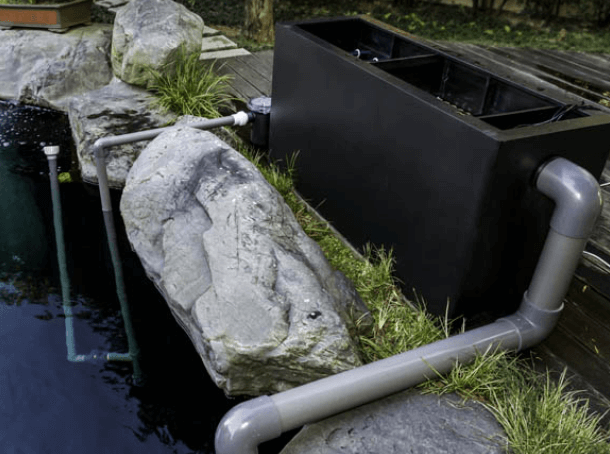
Koi ponds and garden water features can transform any outdoor space into a peaceful, nature-inspired retreat. The soothing sound of flowing water, vibrant koi fish, and lush aquatic plants create a relaxing atmosphere, but maintaining that beauty requires proper care. At the core of a healthy, clear, and balanced pond is one essential component: the pond filter. A reliable filtration system keeps the water crystal clear, protects fish from harmful toxins, prevents algae blooms, and ensures the entire ecosystem thrives. In this guide, we’ll explore why pond filters are crucial, the different types available, how to choose the right one, and the best options for both koi ponds and decorative water features.
Why Pond Filters Are Essential
The Challenge of Koi Ponds
Koi are beautiful but demanding fish that grow large, eat frequently, and produce significant waste. Without proper filtration, ammonia and nitrite levels rise quickly, creating cloudy water and endangering the fish. Because koi ponds are often heavily stocked, powerful filtration is necessary to process waste, break down harmful compounds, and maintain balanced oxygen levels.
The Importance of Filtration for Garden Water Features
Even ponds without fish benefit greatly from filtration. Leaves, pollen, dust, and organic debris constantly find their way into the water. Without a filter, this material decomposes, causing foul odors and murky water. A quality pond filter keeps even decorative water features clear, fresh, and visually appealing year-round.
How Pond Filters Work
Pond filters work by cycling water through a system that removes impurities and supports natural biological balance. The process usually involves three stages. Mechanical filtration removes solid waste like leaves, dirt, and uneaten food by trapping particles in filter sponges or mats. Biological filtration promotes the growth of beneficial bacteria that convert toxic ammonia and nitrite into less harmful nitrate, creating a healthier environment for fish and plants. Finally, many modern filters include a UV clarification stage, where ultraviolet light kills microscopic algae and harmful bacteria, preventing green water and controlling bacterial blooms. Together, these stages produce clean, safe water that supports aquatic life and enhances pond aesthetics.
Types of Pond Filters
Pressure Filters
Compact, easy to install, and ideal for small to medium ponds, pressure filters feature a sealed design that allows water to be pumped uphill to waterfalls or return outlets. Many include built-in UV clarifiers, making them excellent for lightly stocked garden ponds.
Gravity Filters
These are the go-to option for larger koi ponds. They handle high water volumes and often feature multiple chambers for mechanical and biological filtration. Designed to cope with heavy waste loads, they’re the most reliable choice for dedicated koi keepers.
Biological Filters
Dedicated biological filters focus on maximizing beneficial bacteria growth, stabilizing water chemistry in ponds with large fish populations.
DIY and Budget-Friendly Filters
For smaller ponds or budget-conscious owners, DIY filters using containers, sponges, and filter media can be surprisingly effective. While not as powerful as commercial systems, they still improve water clarity and reduce maintenance needs.
How to Choose the Right Pond Filter
Choosing the right pond filter depends on several key factors. Pond size and depth: Always select a filter rated for your pond’s total volume. Undersized filters will struggle to maintain water quality. Fish load: Koi produce far more waste than goldfish or ponds without fish, so pick a filter rated above your pond’s actual size. Sunlight and plants: If your pond gets direct sunlight, algae will grow quickly — so a filter with UV clarification is essential. Ease of maintenance: Look for features like backwash systems or quick-release cleaning to make upkeep easier. Energy efficiency: Pairing a quality filter with an efficient pump can significantly reduce long-term operating costs.
Best Pond Filters for Koi Ponds
High-capacity filtration is a must for koi ponds. Gravity-fed systems with multi-chamber designs are the gold standard, combining mechanical mats, biological media, and often UV clarifiers to maintain water quality even in heavily stocked ponds. Pressure-assisted gravity filters and bead filters are also excellent choices, offering large biological surface areas in a compact size.
Best Pond Filters for Garden Water Features
For decorative ponds without koi, smaller and simpler systems often work perfectly. Pressure filters with built-in UV clarifiers are discreet, easy to hide within landscaping, and provide ample filtration to keep water sparkling. In very small water features, compact box filters can be effective, especially when paired with aquatic plants that naturally assist with filtration.
Affordable Pond Filter Options
Budget-friendly filtration options can still deliver great results. Many all-in-one filters combine mechanical and biological filtration in a single unit. DIY solutions — like a simple barrel filter filled with sponges and bio-media — can provide excellent water clarity at a fraction of the cost. With proper maintenance, these systems perform reliably for years.
Maintenance Tips for Long-Lasting Filtration
Even the best pond filters require regular care. Clean filter sponges and mats often — but always use pond water instead of tap water to preserve beneficial bacteria. Replace UV bulbs annually for effective algae control. Monitor water flow regularly, as reduced flow often signals a clogged filter in need of cleaning. With consistent maintenance, your filtration system will last longer and keep your pond healthy and stable.
Frequently Asked Questions
Do I need a filter for a small pond?
Yes. Even small ponds benefit from filtration, which helps prevent algae growth, reduces odors, and protects any fish you keep.
How often should I clean my pond filter?
Most filters should be checked weekly and cleaned every one to two weeks during warmer months when waste and algae build up quickly.
Can I run a pond without a filter?
While natural ponds with large, established ecosystems can function without one, decorative and koi ponds almost always require filtration to remain balanced.
What filter is best for koi?
High-capacity gravity filters or bead filters are best for koi ponds because they can handle heavy waste loads and maintain stable water quality.
What’s the difference between mechanical and biological filtration?
Mechanical filtration removes solid debris like dirt and leaves, while biological filtration supports beneficial bacteria that break down harmful toxins.
Conclusion
A pond filter is one of the most important investments you can make to ensure a healthy, beautiful pond. Koi ponds demand powerful filtration systems to manage fish waste and maintain water clarity, while garden water features benefit from compact systems that keep water fresh and clean. Whether you opt for a high-capacity gravity filter, a user-friendly pressure filter, or a budget-friendly DIY solution, the right filter will keep your pond thriving for years. By choosing a system that matches your pond’s size and needs, you’ll protect fish and plants while creating a stunning outdoor oasis that remains clear, balanced, and inviting throughout every season.


 Twenty Fingers Working Together – The Multi-Touch Revolution Your Team Needs