


Fountain pump providers all look similar at first glance. They sell pumps, offer warranties, and promise reliable performance. But three months into ownership, the differences become painfully clear. One pump runs smoothly while another sputters and dies. One provider answers your calls while another ghosts you. Quality separates itself from mediocrity in ways that aren’t obvious until you need them.
The Real Cost of Choosing Wrong
You save fifty dollars by buying from a cheap provider. Then the pump fails during peak season. Your pond turns murky. Fish gasp at the surface. You scramble for a replacement while algae takes over. That fifty-dollar savings just cost you hundreds in emergency fixes, replacement equipment, and water treatment. Like many fountain tech companies, quality providers charge more upfront because they build equipment that lasts. They know shortcuts in manufacturing create problems that no amount of customer service can fix.
The best fountain tech company doesn’t just sell you a pump. They help you choose the right one, install it correctly, and maintain it properly. Cheap providers push whatever generates the highest margin. They don’t care if it fits your needs because they won’t be around to deal with the consequences. Quality shows up in product selection, customer education, and long-term support.
Product Engineering Makes All the Difference
Quality providers invest in engineering. They test pumps in real ponds, not just on benches. They measure how debris affects performance, how temperature swings impact seals, and how voltage fluctuations stress motors. This testing costs money, but it produces pumps that handle actual conditions instead of ideal ones.
Cheap providers source the least expensive components available. Their pumps work fine when new, but degrade quickly under stress. Seals crack in cold weather. Impellers clog easily. Motors overheat in shallow water. These failures aren’t accidents. They’re the predictable result of cutting corners during design and manufacturing.
Ask about bearing quality, seal materials, and motor protection. Quality providers use sealed bearings that resist water intrusion. They choose elastomers that maintain flexibility across temperature ranges. They include thermal overload protection that shuts down motors before damage occurs. Cheap providers skip these details because most customers don’t ask about them.
Customer Service That Actually Serves
Call a quality provider at 4 PM on Friday with an installation question. Someone who knows how submersible pumps work, can explain head height calculations, and understands your specific setup. They walk you through the solution without rushing you off the phone. Call a cheap provider, and you get voicemail or a script reader who can’t help beyond processing orders.
Quality providers train their staff on the products they sell. These people have installed pumps, troubleshot problems, and handled warranty claims. They know which mistakes customers make repeatedly and how to prevent them. Cheap providers hire whoever’s available and give them a price list. The difference shows immediately when you need actual help.
Support extends beyond phone calls, too. Quality providers maintain detailed installation guides, troubleshooting charts, and maintenance schedules. Their websites answer common questions before you have to ask. They create resources that help you succeed because your success keeps you coming back. Cheap providers offer the bare minimum documentation and hope you don’t need anything else.
See also: Tenda Router Price in Kenya: What You’re Really Paying For
Warranty That Means Something
Three-year warranties signal confidence. Ninety-day warranties signal problems. Quality providers back their equipment for years because they know it lasts. They’ve tested it, refined it, and proven it in the field. Cheap providers offer short warranties because they expect failures and want to limit liability.
Read warranty terms carefully. Does it cover parts and labor or just parts? Who pays shipping for warranty returns? What voids coverage? Quality providers keep terms simple and honor claims without hassle. Cheap providers fill warranties with exclusions and make claims processes intentionally difficult. They count on customers giving up rather than fighting for the coverage they deserve.
Warranty processing speed matters too. Your pump dies, and you need a replacement. Quality providers ship one immediately and handle the failed unit’s return separately. Cheap providers make you send yours back first, wait for inspection, then wait again for replacement approval. Your pond suffers for weeks while they drag out a process that should take days.
Parts Availability When You Need Them
Impellers wear out. Seals leak. Motors eventually fail. Quality providers stock replacement parts and ship them quickly. They maintain inventory for products they sold years ago because they know customers need long-term support. Cheap providers discontinue models constantly and carry minimal parts stock. When something breaks, you’re stuck buying an entirely new pump.
Ask about parts availability for specific models. How long do they stock components after discontinuing a pump? Can you get an impeller in two days or two weeks? Quality providers give you straight answers with actual timelines. Cheap providers make vague promises they won’t keep.
Parts pricing reveals priorities, too. Quality providers price components fairly because they want you to repair rather than replace. Cheap providers charge almost as much for parts as new pumps, pushing you toward another purchase. This approach generates short-term revenue but destroys customer loyalty.
Transparency in Everything
Quality providers publish detailed specifications. GPH ratings at various head heights, power consumption, maximum particle size, and recommended pond volumes. They want you to make informed decisions, even if that means buying a smaller, cheaper pump than you initially considered. Cheap providers list minimal specs and rely on vague marketing claims.
Pricing transparency matters just as much. Quality providers break down costs clearly. Pump price, shipping, taxes, and any necessary accessories. The total you see at checkout matches what you expected. Cheap providers advertise low base prices, then add fees and push unnecessary add-ons. The final cost surprises you, but you’ve already invested time in the purchase.
Return policies show respect for customers. Quality providers offer reasonable return windows with fair restocking fees. They understand mistakes happen and make corrections easy. Cheap providers create obstacles to returns. High fees, short windows, and refusal to accept opened items. They make keeping an unsuitable pump easier than returning it.
Making the Choice
Quality costs more upfront. That extra money buys better components, real support, and peace of mind. You’re not just buying a pump. You’re buying years of reliable operation, help when you need it, and a provider who stands behind their products. Cheap providers offer lower prices and higher headaches.
Compare total cost over time, not just purchase price. A quality pump running for five years costs less than replacing cheap pumps every eighteen months. Factor in your time dealing with failures, emergency replacements, and poor support. Suddenly, that higher initial price looks like a bargain.
Your fountain or pond deserves equipment that works. You deserve a provider who helps you succeed. Quality separates itself through engineering, service, transparency, and reputation. The differences might not show on product pages, but they matter enormously when you’re installing, maintaining, and relying on your fountain pump for years to come.



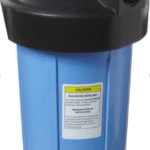 The Strength of Pentek 10 Filter Housing for Better Water Filtration