

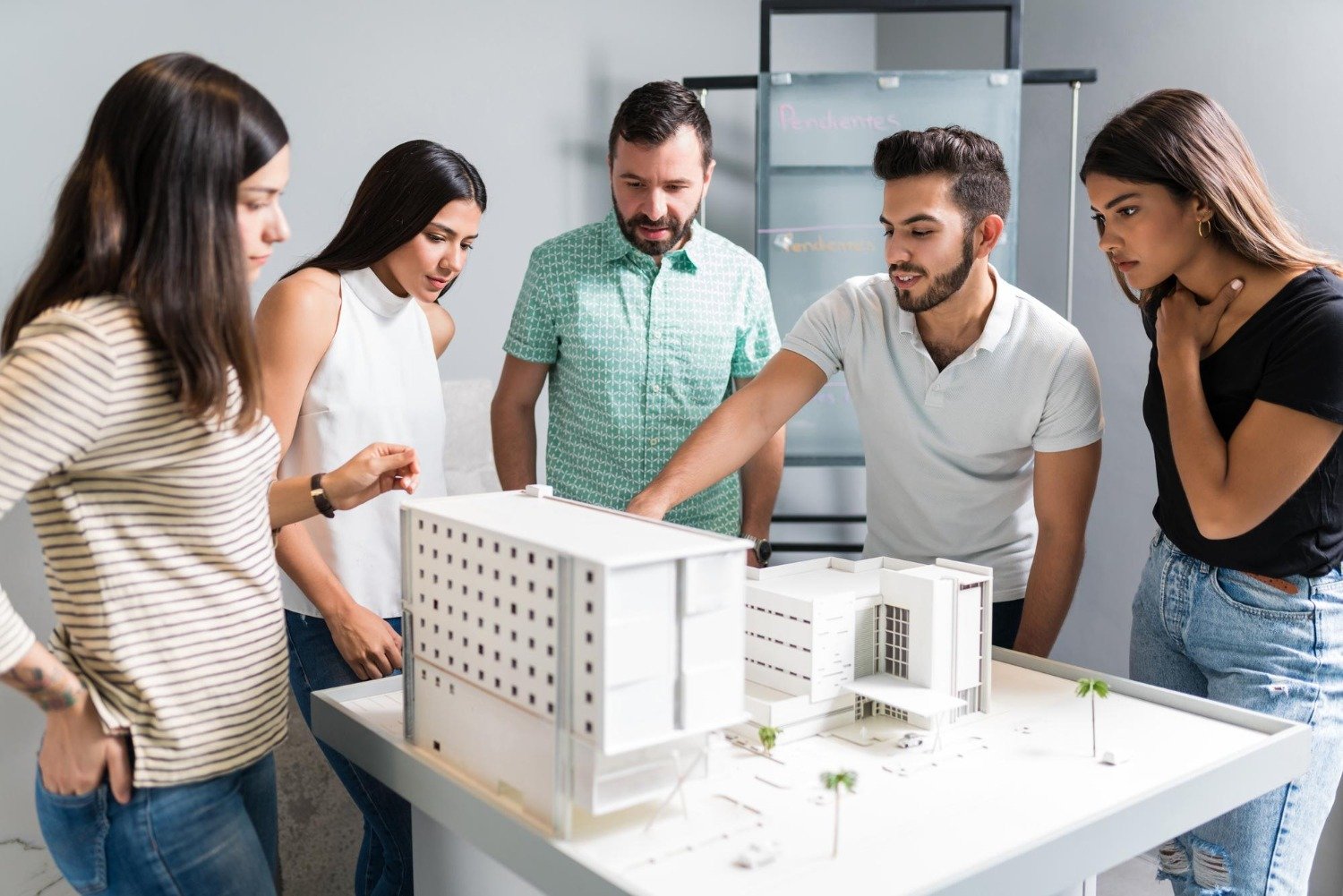
Home renovation has become an important part of modern Australian living. As lifestyles change and expectations grow, homeowners increasingly look for ways to improve comfort, functionality, and long term value within their existing spaces. Renovation projects allow homes to evolve without the need to relocate, offering flexibility and creative control.
This article explores the principles of smart renovation planning, structural improvements, and thoughtful extensions. It is designed to help homeowners make informed decisions while maintaining clarity and confidence throughout the process.
At the early stages of planning, working with experienced renovation builders port macquarie helps ensure that renovation goals align with structural requirements, design flow, and long term usability.
Understanding the Purpose of Renovation
Renovation is more than updating appearances. It is about improving how a home functions and feels on a daily basis. A well planned renovation enhances usability while maintaining consistency across the home.
Clear renovation objectives help guide decisions. These objectives may focus on improving layout efficiency, increasing storage, enhancing comfort, or modernising key areas. When the purpose is well defined, renovation decisions become easier and more effective.
Renovations should support both present needs and future adaptability, allowing homes to remain functional as lifestyles change.
Evaluating Existing Spaces Before Renovation
Understanding the current condition of a home is essential before beginning any renovation work. Structural layout, access points, and room connections all influence renovation potential.
Evaluating existing spaces includes reviewing:
- Room flow and accessibility
- Natural light availability
- Storage capacity
- Structural limitations
This evaluation helps identify areas that require improvement and prevents unnecessary modifications later in the process.
Design Consistency and Flow
A successful renovation maintains visual and functional harmony across the home. Consistency in materials, finishes, and design language helps spaces feel connected rather than fragmented.
Design flow improves comfort by ensuring smooth transitions between rooms. Renovated areas should integrate naturally with existing spaces, supporting both movement and visual balance.
Consistency also contributes to long term appeal by avoiding trends that may quickly feel outdated.
Structural Considerations in Renovation Projects
Structural planning plays a critical role in renovation success. Load bearing elements, wall positioning, and ceiling heights influence what changes can be made safely.
Understanding these factors early allows homeowners to make realistic design choices. Structural clarity also helps ensure renovations comply with local building standards and safety requirements.
Careful planning reduces disruption and supports smoother project progression.
See also: Top 10 Essential Factors to Consider Before Renovating Your Villa
Expanding Living Space Through Extensions
As household needs evolve, additional space often becomes a priority. Extensions offer an opportunity to increase usable area while maintaining the familiarity of an existing home.
In the upper middle stage of renovation planning, many homeowners consider home extensions as a practical solution to accommodate growing space requirements.
Extensions can be designed to blend seamlessly with the original structure. When planned correctly, they enhance both functionality and overall balance without overwhelming the existing home.
Designing Extensions With Purpose
An effective extension is guided by clear intent. Whether expanding living areas, adding private zones, or improving connectivity, extensions should feel intentional rather than incidental.
Design considerations for extensions include orientation, ceiling alignment, and natural light integration. These factors help ensure that new spaces feel cohesive and comfortable.
Extensions that are thoughtfully designed improve usability while preserving architectural consistency.
Renovation Materials and Durability
Material selection significantly impacts the success of renovation projects. Durable materials contribute to longevity, ease of maintenance, and visual stability.
Homeowners should consider materials that suit Australian climate conditions and everyday use. Surfaces that resist wear and require minimal upkeep help maintain quality over time.
Balanced material choices support both practicality and aesthetic appeal.
Improving Comfort and Efficiency Through Renovation
Renovations provide an opportunity to improve overall comfort and efficiency. Enhancements such as improved insulation, better ventilation, and efficient lighting contribute to healthier living environments.
Design choices that support energy efficiency also reduce long term operational costs. Thoughtful renovation planning allows homeowners to integrate these improvements seamlessly into updated spaces.
Comfort focused renovations enhance everyday living while supporting sustainable practices.
Managing Renovation Timelines and Expectations
Understanding renovation timelines helps homeowners manage expectations. While project durations vary, clarity around sequencing and decision making supports smoother execution.
Renovation planning benefits from early selection of materials and finishes. This reduces delays and supports consistent progress throughout the project.
Clear documentation and planning help ensure that renovation stages move forward with minimal disruption.
Budget Awareness and Value Planning
Budget management is a key component of successful renovation. Establishing priorities helps allocate resources where they deliver the most value.
Rather than focusing only on initial costs, homeowners should consider long term benefits. Durable upgrades, functional improvements, and efficient layouts often provide lasting returns.
A realistic budget supports confident decision making and reduces the need for compromise.
Balancing Aesthetics and Functionality
Visual appeal is important, but functionality should always lead renovation decisions. Spaces should be designed for everyday use rather than short term trends.
Functional design supports ease of movement, efficient storage, and comfortable living. Aesthetic choices that align with these principles enhance the overall experience without sacrificing practicality.
Balanced renovations remain enjoyable and relevant over time.
Renovations That Support Modern Lifestyles
Modern Australian lifestyles place importance on flexibility, comfort, and adaptability. Renovations should reflect these values by creating spaces that support multiple uses.
Open layouts, adaptable rooms, and clear zoning help homes respond to changing needs. Renovations that support lifestyle flexibility increase long term satisfaction.
Homes designed with adaptability in mind continue to serve occupants effectively as circumstances evolve.
Communication Throughout the Renovation Process
Clear communication is essential during renovation projects. Open discussions about expectations, timelines, and outcomes help maintain alignment.
Regular updates and well defined decisions reduce uncertainty. When communication remains consistent, renovations progress more smoothly and outcomes align more closely with initial goals.
Effective collaboration supports confidence and clarity at every stage.
Making Informed Renovation Decisions
Knowledge empowers homeowners to make confident renovation choices. Understanding design principles, structural considerations, and material options allows for more informed planning.
When homeowners feel informed, they can evaluate options objectively and align renovation outcomes with their lifestyle priorities.
Education remains one of the most valuable elements of a successful renovation journey.
Conclusion
Renovating a home is an opportunity to improve comfort, functionality, and long term value. Thoughtful planning, clear objectives, and informed decisions form the foundation of successful renovation outcomes.
Homes that balance design consistency, structural integrity, and adaptability continue to support modern living with ease. By focusing on purpose driven renovation and smart extensions, homeowners can create spaces that evolve alongside their needs.
CastleCrew remains committed to supporting Australian homeowners through informed renovation planning and quality driven outcomes. For guidance, project discussions, or next steps, you are welcome to contact the CastleCrew team for further assistance.


 The Allure of the Modern Wooden Front Door