

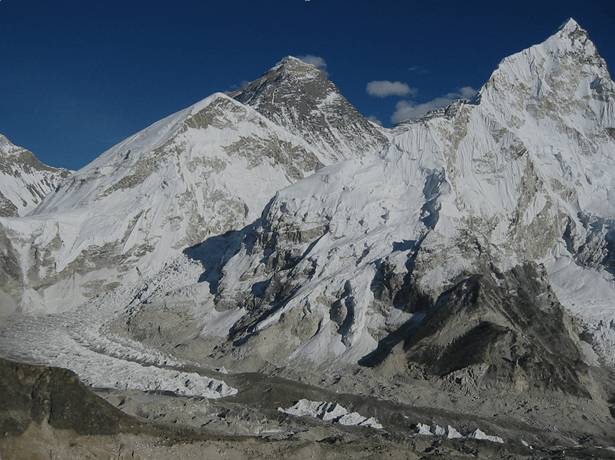
Thorong Peak is a highly rewarding trekking peak in Nepal. It is situated close to the famous Thorong La Pass within the Annapurna Circuit and has spectacular views of the Himalayas, high altitude adventure and great sense of accomplishment, great sense of accomplishment of self.
Reaching the Thorong Peak is not just about reaching the peak. It is a trip to the Annapurna area, where one can experience the local culture, scenic views, and self-identity. It has to have proper preparation. Fitness, the right equipment, and an idea of the effect of altitude are required to make the climb a safe and enjoyable experience.This guide is practical, which gives you some tips and a plan to prepare you forThorong Peak Climbing.
Understanding Thorong Peak Climbing
Thorong Peak is 6,144 meters in height, and is classified as a medium trekking peak. It does not entail high technical climbs but rudimentary mountaineering knowledge and experience on snow or rocky grounds is beneficial.
The expedition starts on the Annapurna Circuit trail, where one passes through woodland forests, alpine grasslands, and traditional villages. Trekkers get to experience the culture of the Gurung and Thakali people, explore monasteries and see what life is like in the high altitude settlements.
The mountain top also has the panoramic sight of Annapurna I, Dhaulagiri, Nilgiri and other Himalaya mountains. The climb itself is physically challenging, but the experience and beautiful scenery together with cultural immersion make the climb extremely rewarding.
Fitness Preparation for Thorong Peak
A successful Thorong Peak climb is based on fitness. The hike is characterized by long hiking days, hiking uphill, and some snow or ice. These challenges are managed by cardiovascular endurance, strength of legs and core stability.
The training must begin at least two or three months prior to the trek. Running, cycling, swimming, or stair climbing are cardiovascular exercises that enhance stamina and efficiency in oxygen use. Strength of the legs is vital, hence, squats, lunges, step ups, and walks on hills are suggested.
Basic exercises like planks and sit-ups improve stability and balance, which is essential when carrying a daypack or walking on uneven terrain. Through stretching or yoga, flexibility exercises help in preventing injuries as well as enhancing mobility.
An example of a daily training routine
• cardio (45-60minutes) five days/week to develop endurance.
• Leg and core training exercises 3 times a week.
• Hiking every week with a heavy backpack to replicate the trekking atmosphere.
The gradual increase in intensity and period of training with time accustoms your body to the successive days of trekking at a high altitude.
See also: Smart Renovation Planning for Modern Australian Homes With Renovation Builders Port Macquarie
Gear and Equipment for Thorong Peak Climbing
Safety, comfort and performance depend on proper gear. The multi-layered clothing can keep you flexible to the changing temperatures. The bottom layer regulates moisture level, the middle layer is insulated to keep the heat in and the outer layer is a waterproof layer that blocks wind, rain and snow.
Footwear is crucial. Strong, well worn trekking shoes with high ankle support avoid blister and trauma. Warm gaiters and socks keep your feet warm.
Depending on snow conditions, climbing gear such as an ice axe, crampons, helmet, and harness may be required, especially in icy or technical sections. A backpack should be comfortable with a sufficient amount of space to carry along water, snacks and additional clothing to guarantee mobility and safety.
Others that should be considered are a headlamp, sunglasses, sunscreen, water bottles, first aid kit, and personal medications. By making an investment in high quality gear, discomfort is minimized, injuries are avoided and the climbers are able to experience the experience fully.
Gear Checklist Highlights
• Multilayered clothing suitable to cold, wind, and sun.
• Warm socks and trekking boots that support the ankle.
• Necessary climbing equipment such as ice axe, crampons and harness.
The right equipment will ensure that the climbers are focused on the trip and not on pain or security issues. Sturdy equipment lowers chances of injuries, keeps you warm even in harsh weather, and enables movement without fear in rocky or snowy surfaces.
Gloves, hats, gaiters, and sunglasses are essential gear for protection against cold, wind, and sun. A comfortable carrying of essentials is guaranteed by a properly fitted backpack, and a headlamp, water bottles, and first aid kit add safety and convenience. A good equipment enables the climbers to fully enjoy the adventure and also approach the mountain with confidence.
Tips for Acclimatization and Altitude.
The largest challenge on the Thorong Peak Climbingis the altitude. The peak is above 6000 meters and the oxygen concentration is also very low compared to the sea level. Climbing too fast may also put one at risk of altitude sickness that may be mild headaches to severe complications.
It is necessary to be acclimated properly. There are additional days that you can spend in Manang or ThorongPhedi and this makes your body adapt. Climb high, sleep low in which short ascents are made to elevated positions and descents to lower camps are very effective.
Watch symptoms that include headache, nausea, or fatigue. Keeping hydrated, consuming high energy food and not taking alcohol enable your body to adapt. Supplemental oxygen is generally unnecessary for Thorong Peak but may benefit climbers with specific health concerns.
Tips to Reduce Altitude Challenges
• Take your time and do not rush to the top.
• Walk slowly over steep slopes.
• Consume 3 liters of water a day and consume high energy snacks.
These tips can be followed in order to decrease the risk of altitude illness and provide a safer ascent. There should be short breathing breaks so that your body gets familiarized with the air that is thinner. Spending a few hours less than the maximum daily ascent is beneficial to the body as it adjusts to the altitude.
The prevention of alcohol and reduced caffeine helps in maintaining hydration and sleep quality. To listen to your body and inform your guide once you have discomfort means your complaint will be taken care of. Climbers will have a safer and more comfortable time to the top with patience and planning.
Mental Preparation for the Climb
Mental fitness is equally significant as physical fitness. The days of trekking, cold weather and elevated levels may be quite tough psychologically. It is better to prepare mentally before the trip to enhance focus and motivation.
Mental preparation can make the climb easier through visualization, positive self-talk, and setting achievable short-term goals. Anticipate a change in the weather, trail complications, or tiredness. The presence of guides, porters and fellow climbers makes the experience more enjoyable and boosts the morale.
Nutrition and Hydration
Good nutrition also provides energy to the body during the trekking days. Carbohydrates are a source of energy and protein assists in muscle recovery and fatigue.
Nuts, dried fruits, and energy bars are frequent high energy snacks that are used to sustain stamina. Small meals should be eaten more frequently than large meals. Even during cold weather, hydration is essential as dehydration causes more altitude sickness and reduces performance. In order to stay hydrated and sleep well, avoid alcohol and restrict caffeine.
Preparing for Trekking Days
Endurance and confidence are built through preparation of successive trekking days. Weighted backpack practice in a simulation of the actual trek can assist the body to adjust to the weight of carrying gear.
Lifting foot on rough surface enhances stabilization muscles and lessens the pains on the joints as one climbs. Progressive increment in length and intensity of hikes make sure that the body is prepared to face the challenges of Thorong Peak.
Hiring Guides and Support Staff.
The support staff and professional guides enhance safety and success. Guides offer route information, watch the weather, and help through technical portions. The heavy gear is transported by Porters and the climbers are able to concentrate on climbing.
Guides oversee the symptoms of the altitude, control pacing, and administer crises. Hiring an experienced guide or agency guarantees the safety as well as a more comfortable and easy trip.
Final Thoughts
Thorong Peak Climbing is a physically and mentally challenging experience. Climbers can overcome this by having the right fitness, good quality equipment, good acclimatization and psychological preparedness to help them accomplish a successful summit.
An organized training program, altitude preparation and consideration of nutrition and hydration made the climb much more pleasant, and minimized hazards. With such advice, Thorong Peak is not only a challenge, but a Himalayan experience.
Thorong Peak is a perfect destination that can be chosen by adventure tourists, seeking culture and self-achievement. It is a great activity to achieve the peak with right preparation, patience and determination.



 Generative Engine Optimization for 2026: Winning Mentions in AI Search Engines