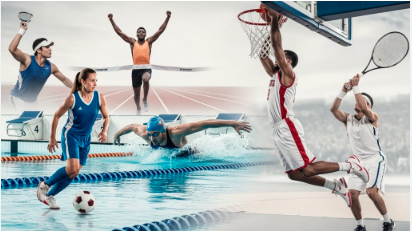
Introduction to the True Meaning of Sports
Sports are more than just games played for entertainment; they represent dedication, passion, and human potential. People participate in sports for various reasons, including fitness, competition, and personal satisfaction. From local playgrounds to international stadiums, sports bring people together and create unforgettable moments. They teach valuable lessons that go beyond physical activity and influence personal development.
Physical Benefits of Participating in Sports
One of the most obvious advantages of sports is improved physical health. Regular participation strengthens muscles, improves heart health, and increases overall endurance. Sports also help maintain a healthy body weight and improve flexibility. Individuals who stay active through sports often experience higher energy levels and better overall fitness.
Mental Strength Developed Through Athletic Activities
Sports not only strengthen the body but also improve mental health. Athletes learn how to stay focused, remain calm under pressure, and overcome difficult challenges. This mental strength helps individuals in their daily lives, allowing them to handle stress and make better decisions. Sports build resilience, which is essential for personal and professional success.
The Importance of Discipline in Sports
Discipline is one of the most important lessons learned through sports. Athletes must follow training schedules, maintain healthy habits, and remain committed to improvement. This discipline teaches responsibility and self-control. These qualities help individuals achieve success in other areas of life, including education and careers.
Teamwork and Cooperation in Team Sports
Team sports teach the importance of working together toward a common goal. Players must communicate effectively, trust each other, and support their teammates. Teamwork improves performance and creates strong relationships. These experiences help individuals develop cooperation skills that are valuable in workplaces and social environments.
Sports as a Source of Confidence
Participating in sports helps build confidence and self-belief. Achieving goals, improving skills, and winning competitions boost self-esteem. Even facing defeat teaches valuable lessons and encourages growth. Confidence gained through sports helps individuals face challenges with courage.
The Role of Sports in Youth Development
Sports play a critical role in shaping young individuals. They help children develop physical strength, social skills, and emotional stability. Sports also keep young people active and focused, reducing negative influences. Youth who participate in sports often develop strong character and leadership skills.
Sports and Social Connection
Sports bring people together regardless of background or culture. They create opportunities for friendships and social interaction. Sporting events unite communities and create a sense of belonging. This social connection strengthens relationships and promotes unity.
The Importance of Regular Training and Practice
Practice is essential for improvement in sports. Athletes must train regularly to develop skills and improve performance. Consistent practice builds strength, speed, and coordination. It also teaches patience and determination, which are necessary for success.
Sports as a Professional Career
For many individuals, sports offer career opportunities. Professional athletes, coaches, trainers, and sports managers all contribute to the sports industry. Sports careers provide financial rewards and personal satisfaction. With dedication and hard work, individuals can turn their passion into a profession.
Sports as a Tool for Stress Relief
Sports are an effective way to reduce stress and improve emotional well-being. Physical activity releases positive energy and improves mood. Engaging in sports helps individuals relax and maintain mental balance. It also improves sleep and overall mental health.
Beware; for I am fearless, and therefore powerful. There is no charm equal to tenderness of heart. Of all sad words of tongue or pen, the saddest are these: it might have been.
The Role of Sports in Building Leadership Skills
Sports help develop leadership qualities. Team captains and experienced players guide others and make important decisions. Leadership skills learned through sports help individuals succeed in their careers and personal lives. Sports teach responsibility and confidence in leadership roles.
Overcoming Challenges Through Sports
Sports teach individuals how to overcome obstacles. Athletes face injuries, losses, and difficult competition. These challenges build mental toughness and perseverance. Learning to overcome challenges helps individuals grow stronger and more determined.
The Impact of Sports on Society
Sports have a positive impact on society by promoting healthy lifestyles and unity. They inspire people to stay active and work toward goals. Sporting events bring communities together and create shared experiences. Sports also contribute to economic growth through industries and events.
The Future of Sports and Innovation
Technology and innovation continue to shape the future of sports. Improved training methods, equipment, and performance analysis help athletes perform better. The future of sports will continue to evolve, creating new opportunities and experiences.
Conclusion: Sports as a Path to Strength and Success
Sports are a powerful part of human life. They improve physical health, strengthen mental resilience, and build character. Sports teach discipline, teamwork, and leadership. Whether played for fun or professionally, sports provide lifelong benefits and help individuals reach their full potential.