

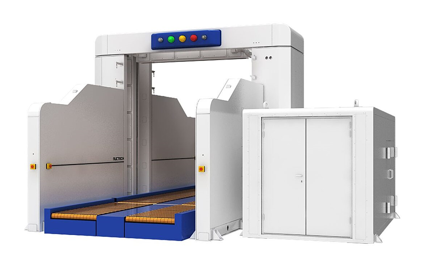
Imagine a world where cars drive themselves, effortlessly navigating through traffic, making decisions on the fly, and ensuring the safety of everyone on board. This isn’t a far-off dream anymore; it’s happening right now. The advancements in self-driving car technology are nothing short of revolutionary, pushing the boundaries of what’s possible on the road. These vehicles are equipped with sophisticated algorithms, sensors, and a specialized cargo screen that allow them to “see” their surroundings and react accordingly.
One might wonder, how did we get here? It all starts with the integration of artificial intelligence (AI). AI enables these cars to learn from their environment and improve over time, much like how humans learn from experience. But unlike humans, these cars don’t get tired, distracted, or emotional – they’re always at their best. This level of consistency, combined with technologies like the rad detector, is a game-changer for road safety and efficiency.
While it’s true that self-driving technology is still evolving, the progress made so far is undeniably impressive. Companies are continuously refining their systems, conducting extensive tests, and working closely with regulatory bodies to ensure these vehicles can operate safely in diverse conditions. The ultimate goal? To create a transportation system that’s not only smarter but also safer for everyone.
Keeping an eye on the road with ai
The heart of any self-driving car is its ability to monitor the road using AI-powered systems. These systems rely on a combination of cameras, radar, and LIDAR (Light Detection and Ranging) to gather data about the vehicle’s surroundings. This data is then processed in real-time to make split-second decisions.
For instance, if a pedestrian suddenly steps onto the road, the car’s AI will immediately recognize the person and take appropriate action – whether it’s slowing down, stopping, or swerving to avoid a collision. This level of responsiveness is critical in preventing accidents and ensuring the safety of all road users.
Moreover, AI doesn’t just react to immediate dangers; it also anticipates potential risks. By analyzing traffic patterns and predicting the behavior of other vehicles, self-driving cars can proactively avoid dangerous situations before they even arise. It’s like having a superhuman ability to foresee and prevent accidents.
Safety features that think ahead
One of the most remarkable aspects of self-driving cars is their advanced safety features. These aren’t just your average seatbelts and airbags; we’re talking about systems that actively work to prevent accidents before they happen. For example, adaptive cruise control maintains a safe distance from the vehicle ahead, automatically adjusting speed as needed.
Then there’s lane-keeping assistance, which ensures the car stays centered in its lane, even on winding roads. If the vehicle starts to drift out of its lane without signaling, the system gently steers it back on course. It’s like having an invisible co-pilot who’s always looking out for you.
Another noteworthy feature is automatic emergency braking. If the car detects an imminent collision with another vehicle or obstacle, it will apply the brakes autonomously. This quick reaction time can make all the difference in avoiding serious accidents.
Say goodbye to blind spots
Blind spots have always been a major concern for drivers. Those pesky areas where visibility is limited can lead to dangerous situations when changing lanes or merging onto highways. Fortunately, self-driving cars are designed to eliminate this problem entirely.
With an array of sensors strategically placed around the vehicle, these cars have a 360-degree view of their surroundings at all times. This comprehensive coverage means there are no hidden areas where other vehicles or objects can go unnoticed. The car’s AI processes this information continuously, ensuring that blind spots are a thing of the past.
Additionally, many self-driving cars come equipped with blind-spot monitoring systems that alert drivers if there’s a vehicle in their blind spot when they attempt to change lanes. This extra layer of awareness significantly reduces the risk of side collisions and makes driving a safer experience for everyone on the road.
See also: How Technology is Helping IVF Doctors in Noida Improve Success Rates
The future of vehicle-to-vehicle communication
The next big leap in self-driving technology is vehicle-to-vehicle (V2V) communication. Imagine cars that talk to each other, sharing information about their speed, position, and direction. This interconnected network allows vehicles to coordinate their movements seamlessly, reducing traffic congestion and improving overall road safety.
For example, if one car detects an obstacle or hazard on the road, it can instantly relay this information to nearby vehicles. These cars can then adjust their routes or speeds accordingly, preventing potential accidents and ensuring smooth traffic flow. It’s like having a synchronized dance on the highway where every car knows exactly what moves to make.
V2V communication also opens up new possibilities for autonomous driving systems. By working together as a cohesive unit, self-driving cars can optimize routes, reduce travel times, and even create “platoons” where multiple vehicles travel closely together at high speeds with minimal risk. The future of transportation is truly interconnected and collaborative.
The journey towards fully autonomous vehicles is both exciting and challenging. As technology continues to evolve and improve, so too will our roads become safer and more efficient places for everyone. The day when we can sit back and let our cars do all the driving may be closer than we think.


 The Future of Construction: Design Build Services Explained