

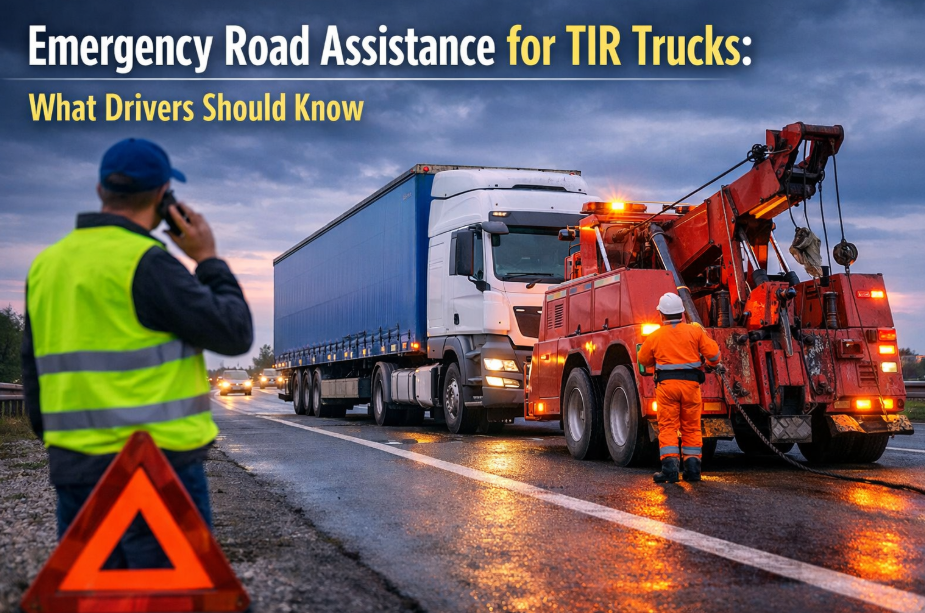
When a heavy vehicle breaks down on the road, every minute matters. Delays affect delivery schedules, fuel costs, driver stress, and customer trust. That is why knowing when and how to use holowanie TIR services is not just useful, but essential for every professional driver and fleet operator. Emergency support for TIR trucks goes far beyond towing alone. It often includes roadside diagnostics, tire replacement, battery support, fuel delivery, trailer handling, and rapid transport coordination to keep cargo moving.
Why emergency support for TIR trucks matters
TIR trucks operate under pressure. They cover long distances, cross borders, work within strict delivery windows, and often carry valuable or sensitive loads. A sudden mechanical failure can turn a normal route into a costly disruption. This is especially true on motorways, ring roads, industrial corridors, and busy urban access points where stopping a large vehicle can create safety risks.
Emergency road assistance for trucks exists to reduce downtime and restore order as fast as possible. It helps drivers manage unexpected situations with professional support instead of guesswork. The best assistance providers understand truck-specific issues, vehicle weight, axle configuration, cargo concerns, and legal transport requirements.
For drivers, this means one thing. Fast, knowledgeable help can protect not only the vehicle, but also the shipment, the schedule, and their own safety.
The most common roadside emergencies for TIR drivers
Truck breakdowns can happen for many reasons. Some are mechanical, some are electrical, and others are caused by road conditions or simple wear and tear. Knowing the most common scenarios helps drivers react calmly and describe the problem more clearly when requesting assistance.
Frequent TIR roadside issues include:
- Flat or damaged tires
- Brake system failures
- Battery or alternator problems
- Engine overheating
- Air suspension issues
- Fuel system malfunctions
- Electrical faults affecting lights or ignition
- Locked brakes or wheel bearing damage
- Trailer coupling problems
- Accidents or off-road incidents in poor weather
Not every issue requires a full tow, but every issue requires the right assessment. A reliable service team should know whether the truck can be repaired on site or needs workshop transport.
What drivers should do immediately after a breakdown
The first few minutes after a breakdown are critical. Safety comes first, especially when operating a large vehicle on a busy road. Drivers should follow a clear sequence rather than reacting emotionally.
Here is a practical approach:
- Move the truck to the safest possible location, if it can still be moved
- Turn on hazard lights immediately
- Put on a reflective vest before leaving the cab
- Set up warning signs or emergency triangles according to local regulations
- Contact dispatch or fleet management
- Call a professional assistance provider and share exact location details
- Inform them about the truck, trailer, cargo type, and visible symptoms
If the vehicle is carrying dangerous goods, refrigerated cargo, or oversized loads, that should be reported right away. This information affects the response plan and equipment needed.
Information every driver should provide when calling for help
A well-handled service call can save a lot of time. Truck assistance operators need precise details, not vague descriptions. The more accurate the information, the faster they can send the correct team and vehicle.
Drivers should be ready to provide:
- Exact location, preferably with motorway number, direction, exit, or GPS pin
- Vehicle make and model
- Registration number
- Type of truck and trailer
- Gross weight and load status
- Nature of the failure
- Whether the truck is blocking traffic
- Whether cargo transfer may be required
- Contact number for follow-up
This level of detail helps avoid delays caused by sending the wrong equipment. In heavy transport, that mistake can waste hours.
On-site repair or towing, what to expect
One common misconception is that emergency assistance always means towing. In reality, many truck problems can be handled at the roadside if the service team arrives with the right tools and experience.
On-site support may include:
- Battery jump-start or replacement
- Tire inflation or wheel change
- Minor air line repairs
- Basic electrical diagnostics
- Hose replacement
- Fuel delivery
- Unlocking seized components
- Temporary repair to move the truck safely
When the problem is serious, towing becomes necessary. This may involve moving the truck to a nearby workshop, logistics base, service point, or a destination chosen by the transport company. For large commercial vehicles, the towing process must be handled by specialists who understand axle load, towing points, and trailer safety.
See also: Digital Transformation Through Insurance Business Process Outsourcing
Why specialized truck assistance is different from standard roadside help
Passenger car assistance is not enough for a fully loaded TIR. Heavy-duty recovery requires stronger equipment, experienced operators, and a clear understanding of transport logistics. A truck breakdown is more complex because it may involve a tractor unit, trailer, cargo security, and legal movement restrictions.
In the middle of a route, drivers often need support from a provider that handles true Pomoc Drogowa TIR operations rather than general vehicle recovery. This kind of support is designed for commercial transport conditions and large vehicle emergencies.
Specialized truck assistance usually offers:
- Heavy recovery vehicles
- Winching and lifting equipment
- Trailer support
- Safe towing for articulated vehicles
- Assistance with loaded units
- Coordination with workshops and transport partners
- Experience with motorway and long-haul incidents
For transport companies, this level of preparedness can make a major difference in reducing financial loss.
How cargo type affects emergency response
Not all TIR emergencies are the same because not all loads are the same. The contents of the trailer often shape the response strategy. A truck carrying food products, pharmaceuticals, machinery, or hazardous goods may require more than simple towing.
Cargo-sensitive cases may involve:
- Refrigerated units that must remain powered
- Dangerous goods requiring controlled handling
- Fragile cargo needing minimal movement
- High-value goods needing secure supervision
- Time-critical shipments with strict delivery windows
This is why drivers should never assume that the assistance provider only needs the truck details. The load matters too. In some situations, a breakdown may trigger cargo transfer, replacement vehicle coordination, or police involvement if the road is obstructed.
Preventing roadside emergencies before they happen
Emergency help is essential, but prevention is still the best strategy. Drivers and fleet owners can reduce roadside incidents through consistent checks, proper scheduling, and realistic route planning. Many breakdowns are linked to issues that gave warning signs earlier.
Smart prevention habits include:
- Checking tire pressure and tread condition before departure
- Monitoring coolant, oil, and air systems
- Watching for dashboard warning lights
- Inspecting trailer connections
- Testing lights and brake response
- Avoiding overloaded or poorly balanced cargo
- Reporting unusual vibrations or sounds early
- Scheduling maintenance based on mileage, not guesswork
Experienced drivers know that small issues rarely stay small for long. A minor air leak in the morning can become a full immobilization by the afternoon.
Choosing the right assistance partner
Not every provider offers the same level of support. Drivers and transport companies should look beyond price and focus on response capability, heavy vehicle experience, and availability. The best assistance partner is the one that can actually solve the problem, not just answer the phone.
When evaluating a service provider, pay attention to:
- 24/7 availability
- Coverage area
- Response time
- Experience with TIR trucks
- Range of recovery and roadside services
- Ability to assist loaded vehicles
- Communication quality
- Access to workshop networks
- Clear pricing and procedures
It is also smart to keep verified contact details ready before a breakdown happens. Searching for help in the middle of a stressful incident is never ideal.
Mistakes drivers should avoid during a truck breakdown
Even experienced drivers can make poor decisions under pressure. Some actions create extra risk, while others delay professional support.
Avoid these common mistakes:
- Leaving the vehicle unsecured in a dangerous position
- Failing to mark the breakdown area clearly
- Calling a provider without sharing full vehicle details
- Attempting unsafe repairs without proper tools
- Ignoring cargo-related risks
- Delaying contact with dispatch or fleet management
- Assuming every towing company can handle a TIR unit
Good breakdown management depends on calm communication and safe decision-making.
Staying prepared for the unexpected
Road incidents are part of long-distance transport, but being unprepared should never be part of the job. Drivers who understand emergency procedures, provide accurate information, and work with the right service partners are in a much stronger position when problems appear. Reliable roadside support is not only about moving a broken truck. It is about protecting the load, the route, the deadline, and the people involved.
For every TIR driver, the smartest approach is simple. Know who to call, know what to report, and treat every breakdown as a situation that requires both speed and professionalism. That mindset turns emergency road assistance from a last resort into a practical part of responsible transport operations.


 Steps to Avoid Disputes in Wills and Estate Cases