

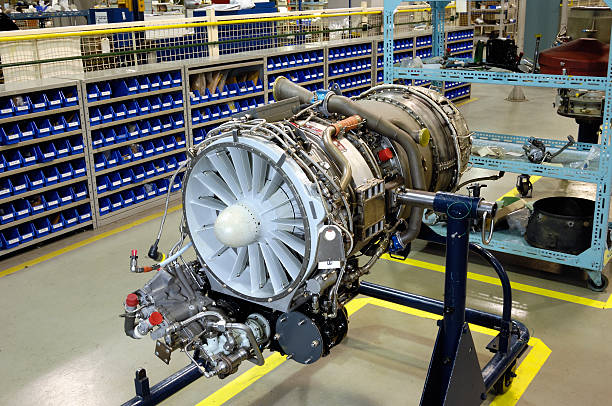
In today’s energy and industrial sectors, reliable power generation and high-efficiency mechanical systems are essential for supporting growing global demands. Among the most important technologies used across aviation, manufacturing, power plants, and large-scale industrial operations is the gas turbine engine. Known for its exceptional power-to-weight ratio, operational reliability, and continuous performance capabilities, this technology has become a cornerstone of modern engineering.
From commercial aircraft propulsion to electricity generation and industrial applications, gas turbine systems continue to evolve with advanced materials, digital monitoring, and improved combustion technologies. Their ability to deliver substantial power output while maintaining operational efficiency makes them indispensable in many sectors.
Understanding the Gas Turbine Engine
A gas turbine engine is a type of internal combustion engine that converts the energy from fuel into mechanical power. Unlike conventional piston engines, gas turbines operate through a continuous combustion process that produces a steady flow of high-pressure gases.
The basic operating principle involves three main stages:
- Air intake and compression
- Fuel combustion
- Expansion through turbine blades
As air enters the system, it is compressed to high pressure. Fuel is then injected and ignited within the combustion chamber. The resulting hot gases expand rapidly and pass through turbine stages, causing the turbine blades to rotate. This rotational energy can be used directly for propulsion, mechanical drive systems, or electricity generation.
The simplicity of continuous operation allows gas turbines to achieve impressive levels of efficiency and reliability compared with many traditional engine systems.
Key Components of a Gas Turbine System
The performance of a gas turbine depends on several critical components working together seamlessly.
Air Compressor
The compressor draws ambient air into the engine and increases its pressure before it enters the combustion chamber. Modern compressors often feature multiple stages designed to maximise airflow and efficiency.
Combustion Chamber
Within the combustion chamber, fuel mixes with compressed air and ignites. This process generates extremely high temperatures and pressure, producing the energy required to drive the turbine.
Turbine Section
The turbine extracts energy from the hot gases produced during combustion. The rotating turbine powers the compressor and delivers usable mechanical energy for external applications.
Exhaust System
After passing through the turbine stages, exhaust gases are released through an exhaust section designed to optimise flow and reduce energy losses.
Together, these components form a highly efficient energy conversion system capable of operating continuously for extended periods.
The Importance of Gas Turbine Combustion
One of the most critical aspects of turbine performance is gas turbine combustion. The combustion process directly affects power output, fuel efficiency, emissions, and overall operational reliability.
Modern combustion systems are engineered to achieve:
- Complete fuel burn
- Reduced emissions
- Stable flame characteristics
- Improved fuel economy
- Lower maintenance requirements
See also: Cheap Bubble Wrap That Protects More Than Just Packages
Advanced combustor designs utilise sophisticated airflow management and fuel injection techniques to ensure efficient combustion under varying operating conditions.
Manufacturers continuously invest in research to develop low-emission combustion technologies that help industries meet increasingly stringent environmental regulations while maintaining high performance levels.
Applications Across Multiple Industries
Gas turbine technology serves a wide variety of industries due to its versatility and scalability.
Aviation
Commercial and military aircraft rely heavily on gas turbine engines because of their high power output and lightweight design. Jet engines are among the most recognisable examples of gas turbine technology in operation.
Power Generation
Large power stations use turbine systems to generate electricity for homes, businesses, and industrial facilities. Their rapid startup capabilities and dependable performance make them valuable assets within modern energy networks.
Oil and Gas Operations
Pipeline compression stations and offshore platforms frequently utilise gas turbines for mechanical drive applications due to their durability and ability to operate in challenging environments.
Manufacturing Facilities
Industrial plants employ gas turbines to provide both electrical power and mechanical energy for production processes.
Their adaptability allows organisations to select systems tailored to specific operational requirements.
Benefits of Gas Turbine Technology
The continued popularity of gas turbines can be attributed to several significant advantages.
High Efficiency
Modern turbine systems achieve impressive efficiency levels, particularly when integrated into combined-cycle power plants.
Continuous Operation
Gas turbines can operate continuously for extended periods with minimal interruptions, making them suitable for critical industrial applications.
Compact Design
Compared with many conventional power generation systems, gas turbines offer substantial power output within a relatively compact footprint.
Rapid Startup
Many turbine systems can reach operational capacity quickly, providing flexibility in dynamic energy environments.
Lower Maintenance Requirements
Advances in materials science and engineering have significantly improved component longevity, reducing maintenance frequency and operational costs.
These benefits contribute to widespread adoption across numerous industries worldwide.
Gas Turbine Generator Systems in Modern Power Production
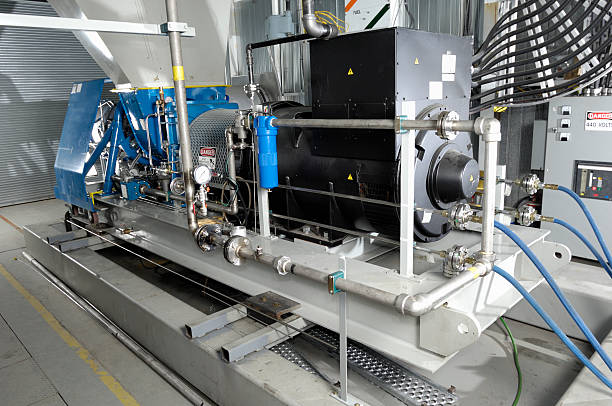
A gas turbine generator combines a turbine engine with an electrical generator to produce electricity. These systems are widely used in utility-scale power plants, industrial facilities, and backup power installations.
The process is straightforward:
- Fuel powers the turbine.
- The turbine shaft rotates.
- The generator converts mechanical energy into electricity.
- Power is distributed to the grid or facility.
Gas turbine generators are particularly valued for their ability to provide reliable electricity during peak demand periods. Their fast response times make them ideal for balancing modern energy networks that increasingly incorporate renewable energy sources.
As power requirements continue to grow globally, gas turbine generator installations remain a crucial component of energy infrastructure.
Comparing Gas and Steam Turbine Technologies
Although gas turbines receive considerable attention, steam-based systems also play an important role in power generation.
Steam Turbine Generator Systems
A steam turbine generator operates using high-pressure steam rather than combustion gases. Steam produced by boilers or heat recovery systems drives turbine blades connected to an electrical generator.
Steam turbines are commonly found in:
- Thermal power stations
- Nuclear power plants
- Industrial cogeneration facilities
- Combined-cycle power plants
These systems excel in applications where large amounts of thermal energy are available for conversion into electricity.
Combined-Cycle Advantages
Many modern power plants combine gas and steam technologies. Waste heat from a gas turbine is captured to produce steam, which then powers a steam turbine.
This arrangement significantly improves overall plant efficiency while reducing fuel consumption and emissions.
The integration of gas and steam technologies represents one of the most effective approaches to modern power generation.
Historical Perspective: The Steam Engine Generator
Before modern turbines became widespread, the steam engine generator was a primary method of electricity production during the Industrial Revolution and early twentieth century.
These systems used reciprocating steam engines connected to generators to produce electrical power. While revolutionary for their time, steam engine generators were generally less efficient and required more maintenance than modern turbine-based alternatives.
The development of turbine technology transformed power generation by offering:
- Higher efficiency
- Greater reliability
- Increased power output
- Reduced mechanical complexity
Understanding this historical progression highlights the significant engineering advancements achieved over the past century.
Technological Innovations Shaping the Future
The future of gas turbine technology is being driven by continuous innovation.
Advanced Materials
New high-temperature alloys and ceramic components enable turbines to operate at increasingly higher temperatures, improving efficiency and performance.
Digital Monitoring
Smart sensors and predictive maintenance systems allow operators to monitor equipment health in real time and identify potential issues before failures occur.
Hydrogen Compatibility
Manufacturers are actively developing turbines capable of operating on hydrogen and alternative fuels, supporting global decarbonisation efforts.
Artificial Intelligence Integration
AI-driven analytics are helping optimise turbine performance, fuel consumption, and maintenance schedules across industrial facilities.
These innovations are expected to further enhance efficiency, sustainability, and reliability in the years ahead.
Conclusion: The Next Generation of Gas Turbine Engine Excellence
The gas turbine engine remains one of the most important achievements in modern engineering, delivering exceptional performance across aviation, energy production, manufacturing, and industrial applications. Its ability to convert fuel into reliable mechanical and electrical power has transformed industries worldwide and continues to support critical infrastructure.
As advancements in materials, digital technologies, low-emission combustion systems, and alternative fuels accelerate, gas turbines are becoming even more efficient and environmentally responsible. Whether integrated with a steam turbine generator, deployed as a gas turbine generator, or enhanced through innovations in gas turbine combustion, these systems are positioned to play a vital role in the future of global energy and industrial development.


 Vehicle Air Conditioning Parts: The Complete Guide to Reliable Cooling Performance