


When it comes to driving comfort, few systems are as important as a vehicle’s air conditioning system. Whether you’re travelling through Australia’s scorching summer heat or spending long hours on the road, a properly functioning AC system ensures comfort, safety, and an enjoyable driving experience. Understanding vehicle air conditioning parts can help vehicle owners recognise potential issues, improve maintenance practices, and make informed decisions when repairs are needed.
Modern vehicle air conditioning systems consist of several interconnected components that work together to cool and dehumidify cabin air. Each part plays a critical role in ensuring efficient performance and long-term reliability.
Understanding How Vehicle Air Conditioning Systems Work
Before exploring the individual components, it’s important to understand the basic operation of an automotive air conditioning system.
The system works by circulating refrigerant through a closed loop. As the refrigerant changes from liquid to gas and back again, it absorbs heat from inside the vehicle and releases it outside. This process creates the cool air that keeps passengers comfortable during hot weather.
The efficiency of the entire system depends on the condition and performance of various vehicle air conditioning parts, making regular inspection and maintenance essential.
The Compressor: The Heart of the System
The compressor is often referred to as the heart of the air conditioning system. It compresses refrigerant gas and circulates it throughout the AC system.
When the air conditioning is activated, the compressor engages and begins pumping refrigerant under high pressure. Without a functioning compressor, the cooling cycle cannot occur.
Common signs of compressor problems include:
- Weak airflow
- Warm air from vents
- Unusual noises
- Refrigerant leaks
- Increased fuel consumption
Because the compressor operates under significant stress, it is one of the most frequently replaced vehicle air conditioning parts in older vehicles.
Condensers and Their Role in Cooling
The condenser is positioned at the front of the vehicle, typically near the radiator. Its primary function is to release heat absorbed by the refrigerant.
As hot refrigerant gas enters the condenser, airflow cools it down and converts it into a high-pressure liquid. This cooling process is essential for effective air conditioning performance.
A damaged condenser can lead to:
- Reduced cooling efficiency
- Refrigerant leaks
- Overheating AC systems
- Increased system pressure
Regular cleaning helps maintain optimal condenser performance and extends system lifespan.
Why Quality Auto Aircon Parts Matter
Vehicle owners often underestimate the importance of selecting high-quality replacement components. Investing in reliable auto aircon parts can significantly improve system performance and durability.
Premium components are manufactured to precise specifications, ensuring proper fitment and efficient operation. High-quality parts also minimise the risk of premature failure, helping vehicle owners avoid repeated repair costs.
When sourcing replacement components, it is advisable to choose reputable suppliers that offer warranties and meet industry standards.
Expansion Valves and Orifice Tubes
The expansion valve or orifice tube controls the amount of refrigerant entering the evaporator.
This component reduces refrigerant pressure and allows the cooling process to begin. As refrigerant expands, it becomes significantly colder, enabling effective heat absorption within the cabin.
Symptoms of a faulty expansion valve include:
- Inconsistent cooling
- Frost build-up
- Poor airflow
- Fluctuating cabin temperatures
Because these components regulate refrigerant flow, their performance directly affects overall air conditioning efficiency.
The Evaporator: Producing Cold Air
Located inside the dashboard, the evaporator is responsible for producing the cold air felt through vehicle vents.
As refrigerant enters the evaporator, it absorbs heat from cabin air passing over the evaporator core. The cooled air is then distributed throughout the vehicle interior by the blower motor.
Evaporator issues can cause:
- Weak cooling
- Musty odours
- Water leaks inside the cabin
- Reduced airflow
The evaporator is one of the most important vehicle air conditioning parts, as it directly influences passenger comfort.
Selecting the Right Car Aircon Parts
Choosing suitable car aircon parts is critical for maintaining system performance and reliability.
Factors to consider include:
Vehicle Compatibility
Parts should match the vehicle’s make, model, and year specifications.
See also: Creating Harmony in Food, Health, Home Care, and Everyday Lifestyle
Quality Standards
Components should meet or exceed original equipment manufacturer requirements.
Warranty Coverage
Reliable suppliers often provide warranties that offer additional peace of mind.
Supplier Reputation
Working with trusted distributors helps ensure genuine products and professional support.
Making informed purchasing decisions can reduce future maintenance expenses and improve system longevity.
Receiver Driers and Accumulators
Receiver driers and accumulators play a vital role in protecting the air conditioning system.
Their functions include:
- Removing moisture from refrigerant
- Filtering contaminants
- Storing excess refrigerant
- Protecting internal components
Moisture contamination can cause corrosion, blockages, and compressor damage. Replacing the receiver drier whenever major repairs are performed is considered best practice.
Ignoring this component may shorten the lifespan of other expensive air conditioning parts.
Refrigerant Hoses and Seals
Refrigerant hoses transport refrigerant throughout the AC system.
Over time, exposure to heat, vibration, and environmental conditions can cause hoses and seals to deteriorate. Even small leaks can significantly reduce cooling performance.
Common warning signs include:
- Gradual loss of cooling
- Visible oil residue
- Hissing sounds
- Frequent refrigerant recharging
Routine inspections help identify wear before major failures occur.
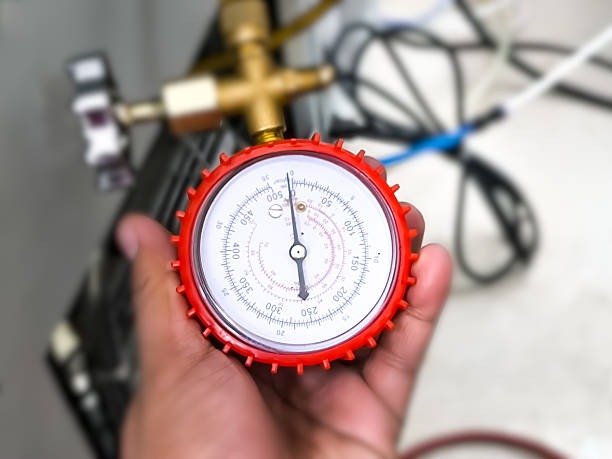
Advances in Automotive Aircon Parts Technology
The automotive industry continues to improve cooling system efficiency through innovation and advanced engineering.
Modern automotive aircon parts now feature:
- Improved corrosion resistance
- Lightweight materials
- Enhanced refrigerant compatibility
- Greater energy efficiency
- Longer service life
Many manufacturers are also developing environmentally friendly technologies designed to reduce emissions and improve sustainability.
These advancements help modern vehicles deliver superior comfort while meeting increasingly stringent environmental regulations.
Blower Motors and Cabin Airflow
The blower motor is responsible for pushing cooled air through the ventilation system.
Even when the refrigerant system operates correctly, a faulty blower motor can reduce cabin comfort.
Common blower motor issues include:
- Weak airflow
- Intermittent operation
- Unusual noises
- Complete airflow loss
Regular inspection of the blower motor and cabin air filter can help maintain consistent airflow and maximise cooling efficiency.
The Importance of Routine Maintenance
Preventative maintenance is the most effective way to extend the life of air conditioning systems.
Recommended maintenance practices include:
- Annual AC inspections
- Refrigerant pressure checks
- Condenser cleaning
- Leak detection testing
- Cabin filter replacement
- Hose and seal inspections
Regular servicing allows technicians to identify potential issues before they become expensive repairs.
Proper maintenance also ensures all vehicle air conditioning parts continue operating at peak efficiency, improving both comfort and reliability.
Understanding Auto AC Parts Replacement Timing
Every component has a finite lifespan. Knowing when to replace worn auto ac parts can prevent system failures and costly breakdowns.
Replacement intervals vary depending on:
- Vehicle age
- Driving conditions
- Climate exposure
- Maintenance history
- System usage frequency
Vehicles operating in harsh Australian conditions may require more frequent inspections due to extreme temperatures and prolonged AC usage.
Addressing minor issues early often prevents damage to major components such as compressors and evaporators.
Common Signs Your Air Conditioning System Needs Attention
Vehicle owners should watch for early warning signs that indicate AC system problems.
These include:
- Warm air from vents
- Reduced cooling performance
- Strange smells
- Unusual noises
- Water leaks
- Increased humidity inside the cabin
- Frequent compressor cycling
Prompt diagnosis can often prevent extensive damage and reduce repair costs.
Professional technicians use specialised diagnostic equipment to evaluate system performance and identify failing components accurately.
Conclusion: Future-Ready Cooling Solutions for Modern Vehicles
The performance of a vehicle’s air conditioning system depends on the quality and condition of its components. From compressors and condensers to evaporators, hoses, and filters, every part contributes to maintaining a comfortable cabin environment throughout the year.
Understanding vehicle air conditioning parts allows vehicle owners to make informed maintenance and replacement decisions, ensuring reliable cooling performance, improved efficiency, and extended system lifespan. By investing in quality components and following a proactive maintenance schedule, drivers can enjoy dependable climate control regardless of road conditions or seasonal temperatures.
Advanced Climate Control Excellence Through High-Performance Air Conditioning Components
As automotive technology continues to evolve, selecting premium-quality air conditioning components and maintaining them correctly remains essential for achieving long-term reliability, superior cooling efficiency, and enhanced driving comfort across every journey.



 Beyond the Toolbox: Advanced Bookkeeping for Tradies to Drive Profit and Growth