

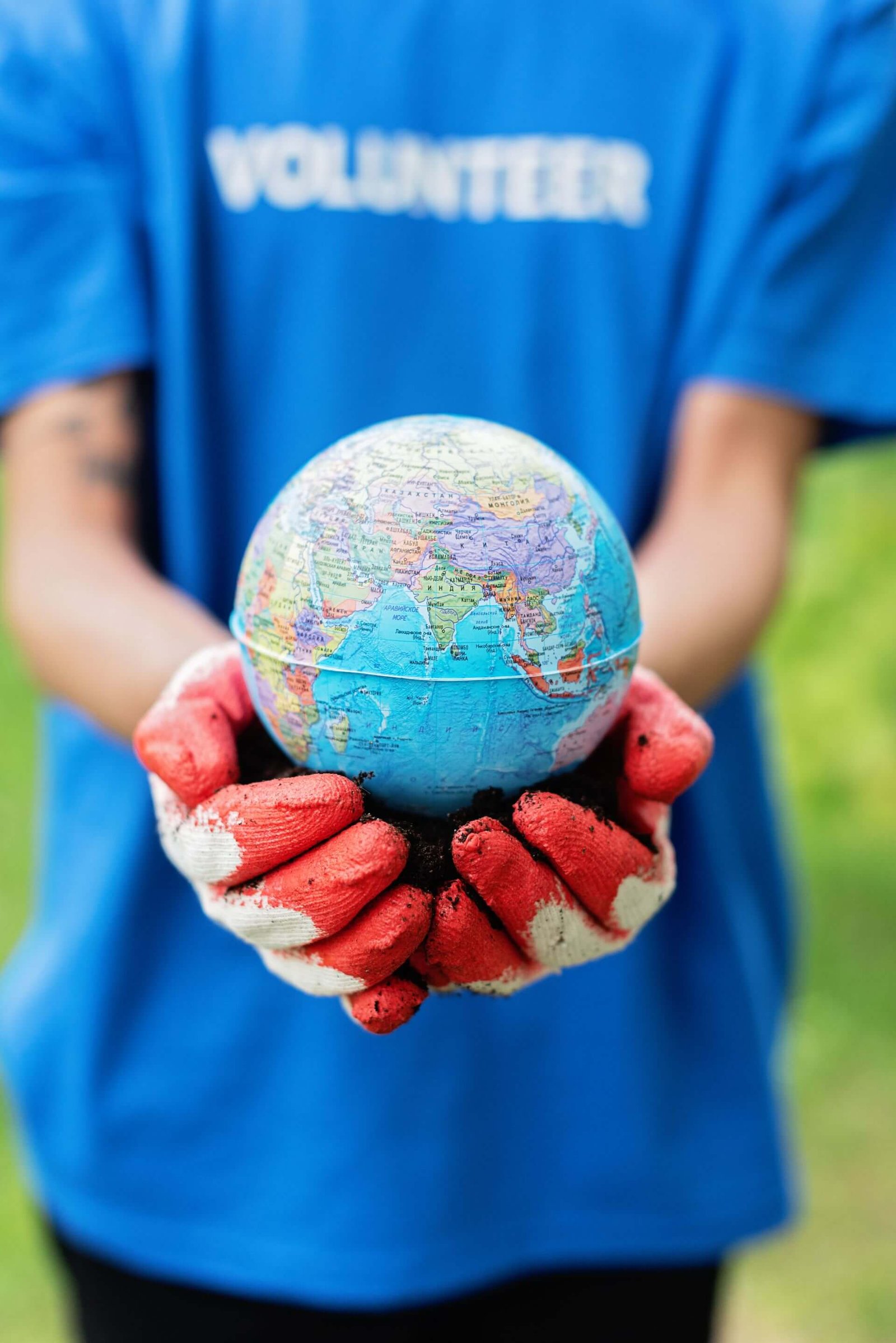
Most people don’t really think about charities on a normal day. It’s usually something that appears during a crisis. A flood. A family suddenly losing their home. Someone realising they can’t afford school supplies that feel small but are actually a big deal at home. In those moments, charities suddenly feel very present. But what often gets missed is that most of the work is happening long before anything “big” shows up. Quiet routines. Same places. Same people showing up again and again.
A small room being opened early in the morning. Someone sorting donations after work. A volunteer answering the same kind of question for the tenth time that week without making it feel like a burden. Nothing about it looks that major. But for the people depending on it, it’s not small at all.
Local Charities Know Things You Don’t See on Reports
Local charities tend to work in a very different way compared to larger systems. They know things you wouldn’t find in official data. Like which streets usually get flooded first when it rains too much. Or which schools quietly have kids coming in without breakfast. Or which families keep delaying asking for help until things get really difficult. That kind of understanding doesn’t come from planning documents. It comes from just being there, consistently, for a long time.
Take something simple like a food pantry. It might start with just handing out basic groceries once a week. But after a while, the volunteers start noticing patterns. Someone is not just there for food; they’re also looking for a job lead. Someone else quietly asks about medicine. Another person asks if there are school uniforms available because the child is starting school next week. Nothing formal changes on paper, but the work naturally expands because real life doesn’t stay in one category. And slowly, something else happens too. People start recognising the same faces. Trust builds without being announced.
Some Problems Don’t Stay Local for Long
At the same time, not everything can be handled within one community. A major earthquake doesn’t stay “local” for long. Neither does a refugee crisis. Or a widespread disease outbreak that affects multiple regions at once.
In those situations, local groups often get overwhelmed quickly. Not because they aren’t capable, but because the scale just becomes too large. That’s where international charities usually step in. They bring systems that are already set up, such as logistics, funding channels, medical teams, and emergency response networks. What people often see first is the immediate aid: food, shelter, and medical supplies. But the quieter part of the work usually comes later. Rebuilding schools that were damaged months ago. Repairing water systems that stopped working after the crisis. Helping small businesses restart when attention has already moved on. That longer phase is where recovery actually becomes stable.
The Real Impact Happens When Both Work Together
It’s not really a competition between local and global charities. In practice, they depend on each other more than people realise. A project can look perfect on paper, but still fail if it doesn’t match local reality. At the same time, local efforts can struggle if resources are too limited.
Think of something like a clean water project in a rural area. Engineers might design the system. Funding might come from outside. But local residents are the ones who know which areas dry out first, which paths become impossible during heavy rain, and where maintenance is realistically possible. Without that input, even well-funded projects can end up not working the way they were intended.
This mix of local understanding and wider support is where things usually work better. Organisations such as Al Qulub Trust sit within this wider space of humanitarian work, where the focus is often less about visibility and more about consistent, practical support that communities can actually rely on over time.
People Don’t Just Want Help Anymore, They Want Clarity
Something has shifted in recent years. People don’t just ask “is this a good cause?” anymore. They ask what actually changed. Did the money reach the right people? Did anything improve after the campaign ended? Did the project continue after the initial attention faded?
Because of that, charities are being pushed to be more open. Reports are more common now. Updates are more frequent. Impact numbers are shared more directly instead of being hidden in long documents. Platforms like Charity Navigator have also made it easier for people to check how organisations operate before donating.
On a larger scale, international frameworks like the UN Sustainable Development Goals keep pushing the idea that progress should be measurable, not just promised.
Real Change Doesn’t Always Look Big
A lot of meaningful change doesn’t look like “change” at first. A student finishes education because a small scholarship quietly supported them years ago. A family stabilises because someone helped them during a difficult season. A child misses fewer school days because clean water is finally nearby. None of it feels like a big change while it’s happening. It’s slow. A bit scattered. Sometimes even unnoticeable day to day. But over time, it builds into something real.
Conclusion
Local charities and global organisations aren’t doing different jobs. They’re just working at different distances. One is close enough to see the problem directly. The other is structured to respond when the problem spreads further than expected. Both matter.
And when they actually work together properly, not just in theory the impact usually lasts longer than expected. Not perfect. Not instant. But steady. And in most communities, that steady support is what actually holds things together when life gets unpredictable.



 Understanding Global Traditions That Shape Community Support Systems