

Introduction
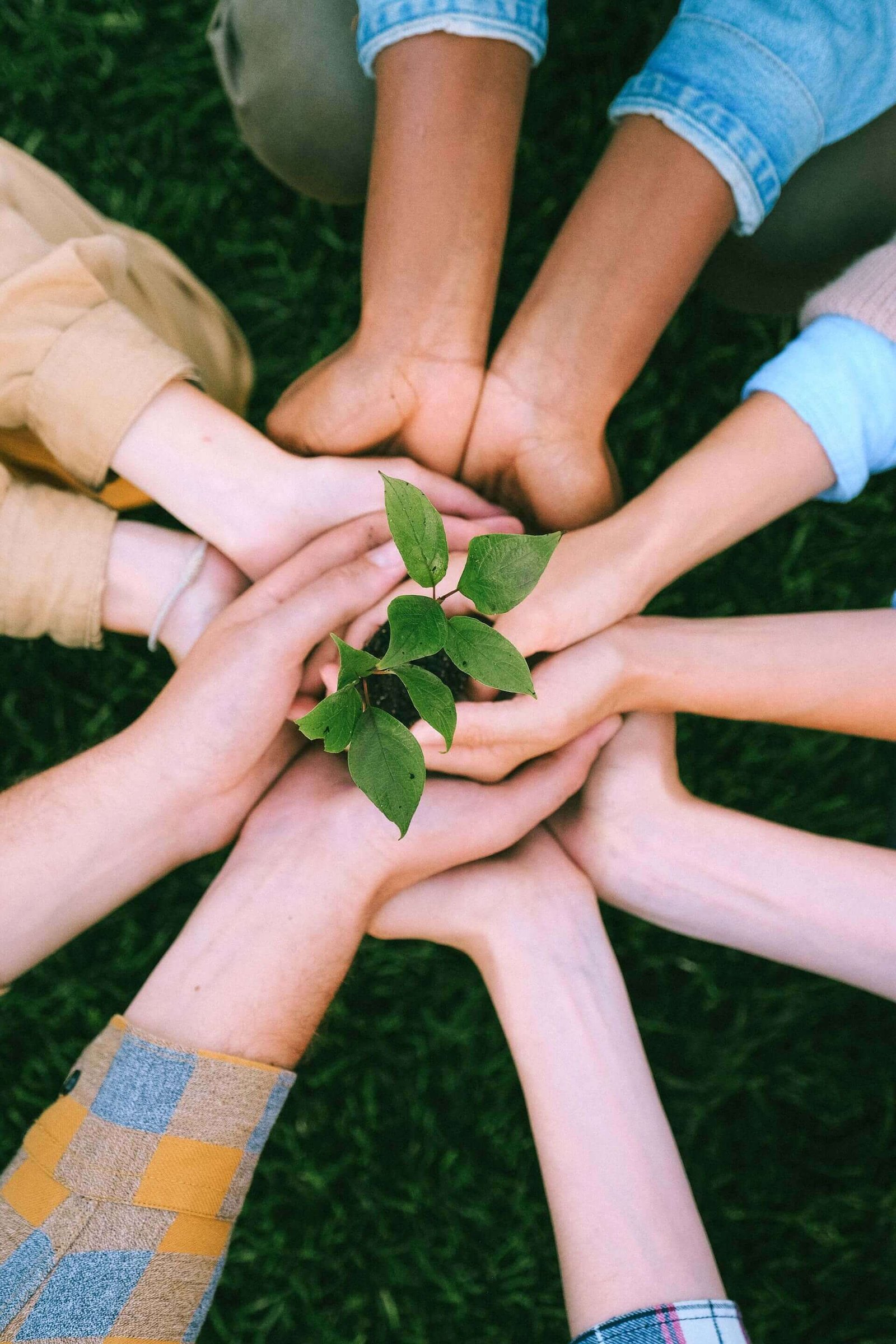
People have always relied on one another in one form or another across the world. Before there were official social programs or insurance, families relied on networks of extended family members, neighbours helped neighbours, and communities secretly intervened when things became tough. There has been little change in that fact. Even if the mechanisms have changed, the fundamental principle remains the same: life is simpler when responsibilities are shared.
It still takes place in person in certain areas. In others, it has moved into formal community initiatives, internet platforms, or organised associations or efforts. The form changes, but the behaviour underneath stays familiar.
Traditional Mutual Aid as Living Infrastructure
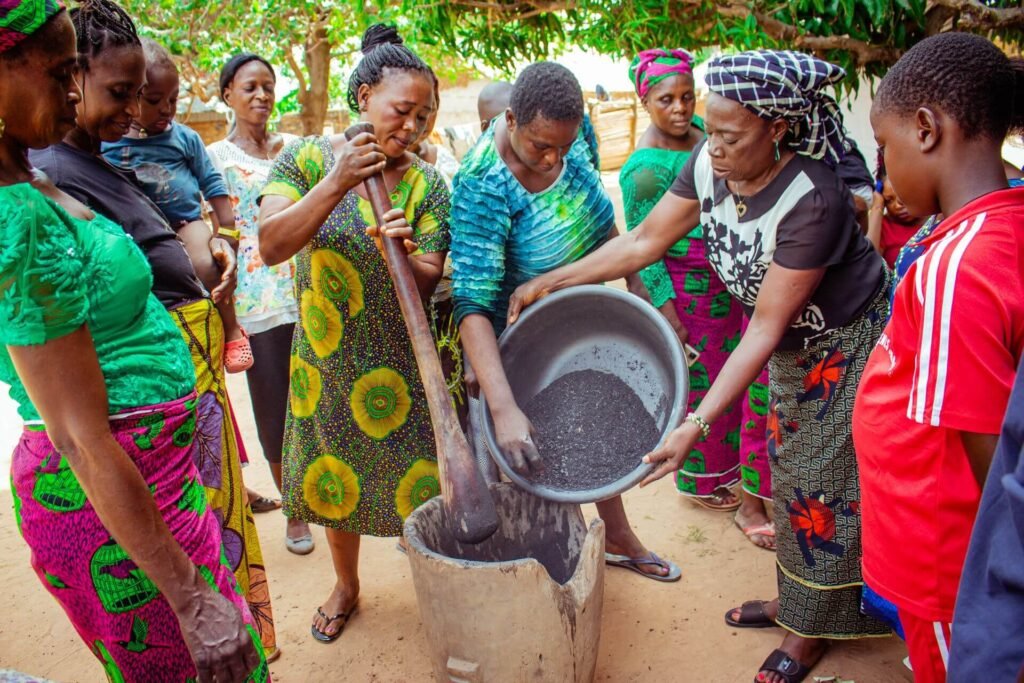
In West Africa and parts of the Caribbean, savings circles often known as tontines have been around for generations. People contribute regularly, and each member gets access to the pooled amount in rotation. There’s not much complexity to it, but it works because people show up for each other consistently.
In the Andes, ideas like ayni and mink’a are woven into everyday life. Helping someone build a house or sharing work during harvest isn’t framed as generosity in the modern sense. It’s just part of how things are done; support today, balance later.
In many Latin American cities, juntas de vecinos act as informal neighbourhood groups. They handle practical issues like local safety or repairs, often stepping in long before formal systems respond. In a lot of cases, they’re not “organised” in a strict sense; they just form because people know things need to get done.
Collective Resilience in Everyday Culture
Certain customs go beyond ordinary practice and become an integral part of one’s personality. Bayanihan is one of the concepts in the Philippines. It initially referred to individuals physically carrying a house together, but throughout time, it has expanded to signify helping others when things go tough, particularly during emergency situations or disasters.
Similar patterns and behaviours may be seen in agricultural communities worldwide. Farmers sharing equipment, land, or even risk tend to stay more stable over time. It’s not framed as theory in those settings; it’s just practical experience. When pressure is shared, it becomes easier to manage.
Across all these examples, there’s a simple pattern that keeps repeating in different forms: people tend to do better when they’re not handling everything alone.
How These Ideas Still Show Up Today
Even though daily life looks very different now, these older systems haven’t really disappeared. They’ve just shifted into new formats.
A lot of support now happens through digital platforms, where contributions can move across borders more easily and outcomes can be tracked more clearly. Distance matters less than it used to, and access is broader than before.
In some cultural and religious contexts, seasonal giving still plays an important role in how support is organised. For example, some families choose to donate qurbani through structured humanitarian channels so that the process is coordinated and reaches communities in a more reliable way.
Global institutions also recognise how important these community-based systems are. The United Nations continues to highlight the role of local participation in long-term development.
Core Ideas Behind These Systems
Even though the cultural details vary, the foundations are surprisingly similar.
- Interdependence: People’s lives are connected in ways that become clear during hardship. When one part struggles, others are usually affected too.
- Trust-based support: Many of these systems don’t rely heavily on formal rules. They work because trust builds slowly and holds things together.
- Shared responsibility: Instead of placing pressure on one person or household, responsibility is spread across the group in a way that makes it more manageable.
Modern Support Systems and What They Borrow from the Past
Modern humanitarian systems often feel new, but they’re really built on the same logic as older community traditions. The tools have changed such as technology, logistics, and global reach but the underlying idea is familiar: organise support in a way that makes help easier to give and receive.
Digital systems now make it possible to coordinate aid more efficiently, especially when distance or timing would have been a barrier in the past. This includes structured giving models where support is handled through verified organisations.
Conclusion
Across very different cultures and time periods, one thing keeps showing up: people naturally build systems where support is shared.
Whether it’s savings circles in West Africa, cooperative labour in the Andes, or neighbourhood groups in Latin America, these approaches all reflect the same basic reality. Life becomes more stable when responsibility doesn’t sit on one set of shoulders. Modern systems haven’t replaced that idea. They’ve simply scaled it, adapted it, and carried it forward in new forms.

 Kisspeptin-10: Multifunctional Peptide Potential in Reproduction, Cognition, and Beyond