Choosing the right flooring is a crucial decision in any interior renovation project. Homeowners and designers often debate between Terrazzo Floor Tile and ceramic tile, two popular options known for their aesthetic appeal and durability. This article will explore the durability of both materials, helping you decide which is the best fit for your space. We’ll consider factors like wear resistance, maintenance needs, and overall longevity to provide a comprehensive comparison.
Terrazzo Floor Tile: A Durable Choice for Modern Spaces
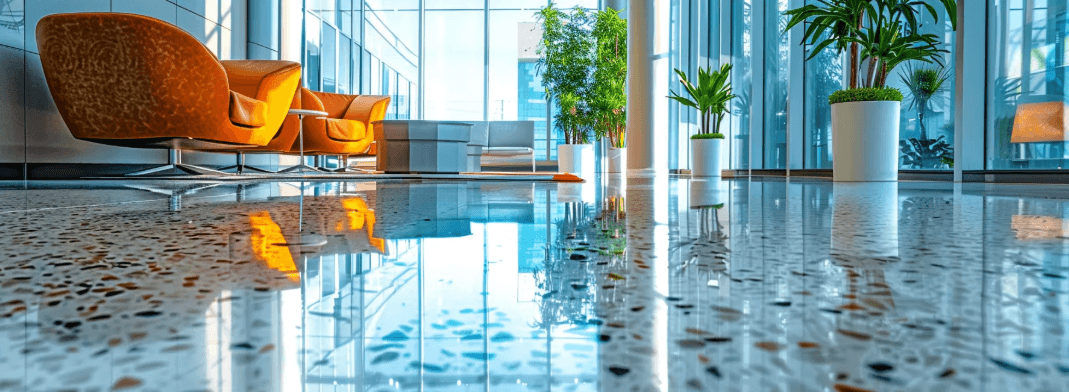
Terrazzo Floor Tile is crafted from a mix of marble chips, glass, or other aggregates, bound with a cementitious or epoxy matrix. This composition not only gives terrazzo its distinctive look but also contributes to its durability. The LEED Certification is often a consideration in modern spaces, as terrazzo can be made from recycled materials, supporting sustainable building practices. Its dense and seamless surface is resistant to stains and scratches, making it an excellent choice for high-traffic areas.
Additionally, the versatility of terrazzo allows for creative implementations in various design schemes. By incorporating Color Theory Application, designers can use terrazzo to complement surrounding elements, enhancing the overall aesthetic appeal of a space. This adaptability, combined with its robust nature, makes terrazzo a favored option in both residential and commercial projects.
Recent industry insights from Architectural Digest highlight terrazzo’s ability to withstand heavy use without significant wear, further cementing its reputation as a durable flooring option.
Ceramic Tile: Proven Longevity and Versatility
Ceramic tile has been a staple in interior design due to its long-lasting nature and wide range of design possibilities. Made from natural clay that is hardened by firing, ceramic tiles are known for their resistance to moisture, making them ideal for bathrooms and kitchens. The firing process enhances the material’s strength, ensuring it maintains its integrity over time.
When employing CAD Software in design planning, ceramic tiles can be easily integrated into various layouts, offering flexibility in pattern and texture. This characteristic makes ceramic tile a versatile option for spaces that require both functionality and aesthetic appeal. Its ability to mimic natural stone or wood also adds to its appeal for homeowners looking for cost-effective alternatives.
Moreover, ceramic tiles’ compatibility with modern FF&E Schedules ensures that they can be seamlessly incorporated into any space without disrupting the overall design harmony.
Comparing Durability: Terrazzo vs. Ceramic Tile
When it comes to durability, both Terrazzo Floor Tile and ceramic tile offer robust options, but they excel in different areas. Terrazzo’s composition allows for a higher resistance to impact and abrasion, making it suitable for high-traffic commercial spaces. On the other hand, ceramic tile is known for its excellent water resistance, which is crucial in areas prone to moisture exposure.
In terms of lifespan, terrazzo often outlasts ceramic tile, with some installations lasting over 40 years with proper care. Ceramic tiles, while durable, may require replacement sooner if subjected to heavy use. A study from HomeAdvisor suggests that ceramic tiles have an average lifespan of 20 years when maintained appropriately.
For homeowners considering the long-term investment, the decision may boil down to specific environmental conditions and the intended use of the space.
Maintenance Considerations for Both Flooring Options
Maintenance is a critical factor in determining the long-term durability of flooring materials. Terrazzo Floor Tile requires regular sealing to protect its surface from stains and moisture. However, once sealed, it is relatively low-maintenance, needing only periodic polishing to maintain its shine.
Ceramic tiles, conversely, require grout cleaning and occasional resealing to prevent water seepage and staining. They benefit from a consistent cleaning regimen to preserve their appearance. This aspect can be managed through a well-structured Space Planning Analysis to ensure ease of access and cleaning.
Furthermore, both options can be enhanced with appropriate Acoustical Treatment, which can improve sound absorption in rooms where echo might be a concern, enhancing the overall living experience.
Conclusion

Both Terrazzo Floor Tile and ceramic tile offer strong durability, each excelling under different conditions. Terrazzo provides a long-lasting, eco-friendly option for high-traffic areas, while ceramic tile offers versatility and moisture resistance ideal for bathrooms and kitchens. Ultimately, the choice depends on specific project needs and environmental factors. By evaluating these considerations, homeowners and designers can select the flooring that best suits their interior design goals.