

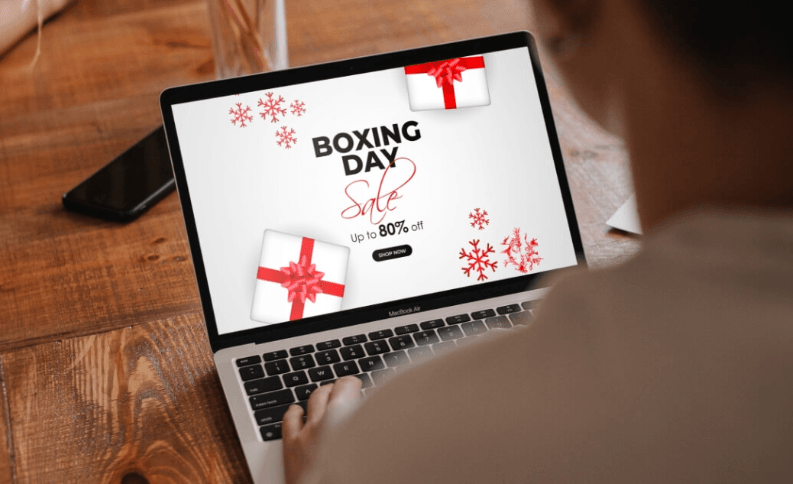
The holiday shopping season no longer arrives in one dramatic wave. It rolls in early, loud, and relentless. Long before December 26 appears on the calendar, you are already surrounded by emails, countdown banners, “limited-time” offers, and cheerful promises that this discount is the best you will see all year. And yet, when the holiday rush begins to settle, Boxing Day still steps onto the stage with surprising force. That is what makes this retail moment so fascinating: it does not simply follow earlier promotions, it challenges them.
For shoppers, this creates a real emotional tug-of-war. Do you buy early and avoid stress, or do you wait and hope the post-holiday markdowns are even sweeter? Retailers understand that tension very well. They build entire pricing strategies around it. The result is a season where timing matters almost as much as the product itself.
Why Early Promotions Try to Win First
Retailers push holiday offers earlier every year for one simple reason: they want your money before competitors can claim it. Black Friday no longer lives in a single weekend. Cyber Monday stretches into a week. Pre-holiday markdowns begin in early November, sometimes even October, trying to create urgency before your shopping list is complete.
These earlier campaigns focus on fear of missing out. They whisper that stock is running low. They shout that prices will bounce back tomorrow. They aim straight at your desire to be prepared, generous, and done. For families managing rising costs, that message can be irresistible.
We can see this clearly in everyday life. One shopper once realized a child in the family was allergenic to a certain plush toy fabric after a festive gift guide had already convinced everyone it was the perfect present. The pressure to buy early had overridden the slower, wiser process of checking details. That small moment says a lot about holiday promotions: speed sells, but it can also cloud judgment.
How Boxing Day Deals Keep Their Power
Despite the early frenzy, boxing day deals remain deeply competitive because they serve a different kind of shopper psychology. By December 26, the emotional heat has changed. Gift-buying pressure is gone. The panic fades. What remains is a sharper, calmer consumer who is often hunting for value rather than sentiment.
Retailers know this, so they use Boxing Day to clear seasonal inventory, move overstocked items, and attract shoppers who deliberately waited. This is where discounts can become more aggressive. While pre-holiday sales often advertise broad promotions, post-holiday events can offer deeper cuts on specific categories such as electronics, winter clothing, furniture, and home goods.
There is also a practical side to the appeal. Many people receive cash, gift cards, or holiday money. That means Boxing Day shopping is often fueled by fresh spending power. Instead of buying for others, you may finally shop for yourself. That shift matters. It changes how you compare prices, how patient you feel, and what kind of deals catch your attention.
boxing day sales vs Early-Bird Holiday Discounts
The real competition comes down to purpose. Earlier holiday promotions are designed for planned gift purchasing. Boxing day sales are designed for strategic buying after the celebration ends. One is powered by urgency. The other is powered by release.
If you need the hottest toy before it disappears, early sales often win. If you want a television, a coat, or a kitchen appliance at a markdown that helps you recover from holiday spending, Boxing Day can be the stronger play. Retailers often reserve some of their boldest clearance pricing for that exact moment because they need to reset shelves for the new year.
There is also a subtle trust issue at work. Shoppers have become more skeptical of early “massive” discounts that do not always feel massive. By late December, you are often comparing prices with more care. You are less likely to buy just because a red banner says “today only.” That makes retailers sharpen their offers if they want attention.
How boxing day deals Extend Beyond Gifts
One reason boxing day deals continue to matter is that they are not limited to typical holiday gift categories. They often stretch into areas connected to real life, fresh starts, and practical needs. This gives Boxing Day an edge over earlier promotions, which are usually more gift-focused.
A perfect example is boxing day auto-parts deals. At first glance, auto parts may seem far removed from festive shopping, but they fit the title perfectly because they show how Boxing Day competes by widening the field. Earlier holiday promotions often target toys, fashion, and electronics meant for giving. Boxing Day, by contrast, reaches into maintenance, repair, and personal upgrades. If you have been postponing brake replacements, winter tires, batteries, or accessories, post-holiday discounts in the auto sector can feel far more valuable than another pre-Christmas gadget sale. Retailers that offer automotive savings understand that after the holidays, shoppers begin thinking less about wrapping paper and more about daily life.
That practical turn can be deeply personal. One family in a cold northern residence put off replacing worn windshield wipers through most of December while they focused on presents and travel. After the celebrations ended, a post-holiday automotive promotion finally pushed the purchase forward. It was not glamorous. It was not giftable. But it was exactly the kind of useful spending that makes Boxing Day powerful.
Why Shoppers Wait Anyway
Even with weeks of prior promotions, many people still hold back. Some do it from habit. Some do it from budget limits. Others simply enjoy the game of waiting, watching, comparing, and striking at the right moment. There is a little thrill in believing patience may be rewarded.
And sometimes it is. A shopper once delayed buying a costly air purifier, hoping a later sale would ameliorate the financial sting after a month of heavy holiday spending. That wait paid off with a better post-holiday price, and the relief was immediate. Moments like that keep Boxing Day relevant. They remind you that the shopping season does not end when the gifts are opened.
Making Smarter Choices During the Holiday Sales Cycle
The smartest approach is not to crown one sales period as universally better. It is to match the timing to the need. Buy early when the item is popular, seasonal, or likely to sell out. Wait for Boxing Day when the purchase is practical, less time-sensitive, or likely to be part of clearance.
Price tracking helps. So does list-making. When you know what you actually need, the emotional tricks of holiday marketing lose some of their power. You stop chasing noise and start recognizing real value.
Boxing Day remains a serious competitor to earlier promotions because it meets you in a different emotional state. Before the holiday, you shop under pressure. After it, you shop with perspective. Retailers are battling for both versions of you, and that is why this seasonal contest keeps growing more intense every year.


 How General Dentistry Encourages Confidence Through Patient Education