

You brush when you can, floss when you remember, and tell yourself you will book a cleaning with a Monterey family dentist once life slows down. Then a little bleeding at the sink, a rough spot on a tooth, or a missed checkup starts sitting in the back of your mind. That is a common place to be. Oral health habits rarely fall apart all at once. They usually fade through busy mornings, skipped routines, and the quiet hope that nothing serious is developing.
How General Dentistry Encourages Long Term Oral Health Habits comes down to something simple. Regular dental care turns good intentions into routines that actually stick. A general dentist does more than clean teeth. They help you catch problems early, connect daily choices to long term outcomes, and make oral care feel manageable instead of overwhelming.
General dental care builds habits through consistency and early feedback
Most people do not ignore their teeth on purpose. They get used to living with small signs. Sensitive gums, bad breath, plaque near the gumline, jaw soreness from grinding at night. None of it may seem urgent, which is exactly why routine dental visits matter. A general dentist sees patterns before they become pain, and that early feedback can change your habits faster than a warning from your own mirror.
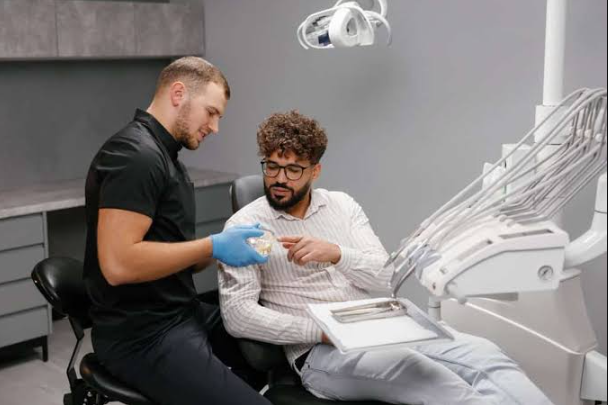
When a dentist shows you where plaque keeps collecting or explains why a certain tooth is wearing down, the problem stops being abstract. You can tie your brushing angle, flossing technique, or diet choices to something real in your own mouth. That kind of specific guidance is easier to follow than generic advice.
It also helps emotionally. Shame keeps a lot of people away from the dentist. You may feel embarrassed if it has been years, or if your home care has not been consistent. That shame often leads to more delay, and more delay usually means more treatment later. Preventive dental care interrupts that cycle. It replaces avoidance with a plan, and a plan is easier to live with than worry.
The public health side of this is clear. The CDC explains that oral health is closely tied to overall health, including your ability to eat, speak, and live without pain. Good habits are not cosmetic extras. They affect daily comfort and long term wellness.
See also: Turbine Blend Polish Peen Services to Improve Turbine Life and Performance
General dentistry helps you connect daily routines with future costs and comfort
Small habits have a way of becoming expensive when they are ignored. A missed cleaning can lead to hardened tartar. Tartar can lead to gum inflammation. Gum inflammation can lead to deeper periodontal issues that need more time, more appointments, and more money to manage. The same pattern shows up with cavities. What starts as a tiny area of decay may only need a filling. Left alone, it can move toward a crown or root canal.
This is where long term oral health habits matter most. They protect more than your teeth. They protect your budget, your time, and your ability to avoid preventable pain. A general dentist gives structure to those habits through regular exams, cleanings, x rays when needed, and direct coaching based on what is happening in your mouth right now.
Think about two people with the same goal of keeping their teeth healthy. One relies on memory and internet tips. The other sees a general dentist regularly and gets reminders, screenings, and tailored advice. The second person is more likely to notice changes early, correct weak spots in their routine, and stay consistent because someone is tracking the bigger picture with them.
For adults trying to improve home care, the CDC oral health tips for adults offer practical basics that support what a dentist reinforces in the office. That combination of home habits and professional oversight is what makes routines last.
Daily home care and professional dental support work better together
| Approach | What It Helps With | Limits | Long Term Effect |
|---|---|---|---|
| Brushing and flossing at home | Removes daily plaque, freshens breath, lowers cavity and gum risk | Missed areas, technique issues, no professional screening | Strong foundation when done consistently |
| Occasional symptom based dental visits | Addresses pain or visible problems | Problems are often more advanced by the time they are treated | Higher chance of larger treatment needs |
| Routine visits with a general dentist | Cleanings, exams, early detection, habit coaching, personalized prevention | Requires scheduling and follow through | Better odds of stable oral health and lower treatment burden over time |
Home care still matters every single day. No cleaning appointment can replace what happens at your bathroom sink each morning and night. Professional care fills in the gaps that home care cannot cover on its own. It catches what you cannot see easily, removes buildup you cannot brush away, and keeps your habits from drifting.
If you want more broad background on common dental issues, prevention, and treatment basics, MedlinePlus offers a helpful dental health resource that many people find easier to sort through than random search results.
Simple steps make oral health routines easier to keep
1. Tie your routine to something you already do.
Habits stick better when they are attached to an existing part of your day. Brush right after getting dressed. Floss before your evening shower. If your routine depends on motivation, it will break down when you are tired. If it depends on sequence, it becomes automatic.
2. Schedule dental visits before you feel a problem.
Waiting for pain trains you to think of dental care as emergency care. A general dentist helps most when visits are preventive. That is when there is room to adjust your habits, monitor changes, and avoid bigger treatment later.
3. Ask for one specific improvement, not a perfect routine.
People often quit because they try to overhaul everything at once. Ask where your brushing misses most often. Ask whether a fluoride rinse makes sense for you. Ask what one change would lower your risk the most. Small corrections repeated over time do more than short bursts of perfection.
Steady dental care supports healthier habits for years
You do not need flawless habits to protect your oral health. You need a routine you can keep, support when it slips, and a clear picture of what your mouth needs over time. That is how general dentistry encourages long term oral health habits. It gives you accountability, early course correction, and a practical way to stay ahead of problems instead of reacting to them after they grow.
If staying consistent has felt harder than it should, that does not mean you have failed. It means you need a system that works in real life. Regular care with a trusted dental professional can help you build that system and keep it going.

 Why General Dentistry Creates Stability Beneath Cosmetic Enhancements