You may be putting off a dental visit because you are not sure what will happen once you sit in the chair. That uncertainty gets heavy fast, especially if it has been a while, your gums bleed when you brush, or you have a tooth that only hurts sometimes. Most people do not avoid a general dentist because they do not care. They avoid it because they are busy, uneasy, or worried they will hear bad news from a dentist in Scottsdale.
A full dental checkup is usually more straightforward than people expect. The visit is meant to catch small problems before they become painful, expensive, or hard to treat. A strong exam looks at your teeth, gums, bite, soft tissues, and signs of changes that could point to something more serious. If you know what is coming, it is easier to walk in calm and ask better questions.
A general dental exam checks more than cavities
Many people assume a dental exam is just a quick look for cavities. A good visit goes further. Your dentist or hygienist often starts with your health history, current symptoms, medications, and any changes since your last appointment. Dry mouth, jaw pain, grinding, new sensitivity, and bleeding gums all matter because they shape what the exam should focus on.
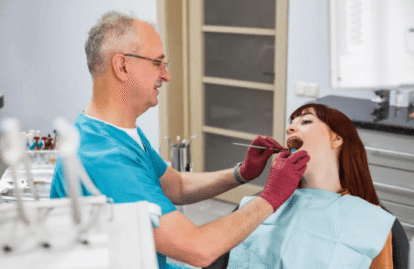
Then comes the clinical exam. Your teeth are checked for decay, cracks, worn spots, failing fillings, and signs of damage from clenching or grinding. Your gums are assessed for redness, swelling, recession, and pockets around the teeth. If you have ever wondered why one area always traps food or feels sore, this is where the cause often shows up.
X rays may be part of the visit, depending on your needs and history. They help find issues that are easy to miss with the eye alone, including decay between teeth, bone loss, impacted teeth, or infection below the surface. MedlinePlus explains what is usually included in a dental exam and why these checks matter.
Your dentist should also look at the inside of your cheeks, tongue, lips, floor of the mouth, and roof of the mouth. That soft tissue exam is not a small extra. It is part of screening for changes that may need follow up. The National Institute of Dental and Craniofacial Research outlines what happens during an oral cancer exam, and it is usually quick, painless, and easy to include in a routine visit.
See also: Turbine Blend Polish Peen Services to Improve Turbine Life and Performance
A full dental checkup can prevent bigger treatment later
The hard part about dental problems is that they often stay quiet for a long time. A cavity may not hurt until it is deep. Gum disease may show up first as a little blood in the sink, something many people shrug off for months. A cracked filling can feel fine until one day it does not. By then, a simple fix may have turned into a root canal, gum treatment, or extraction.
This is where a routine dental exam earns its value. Finding a small cavity early usually means a smaller filling. Catching gum inflammation before bone loss starts can save teeth and lower treatment costs. NIDCR explains how gum disease starts and why early care matters. If your gums bleed often, feel tender, or seem to be pulling away from your teeth, that is not something to ignore.
There is also the stress factor. When you do not know what is going on in your mouth, every twinge can feel bigger than it is. Some people brace for shame or pressure during the appointment. A good general dentist should explain what they see, what needs care now, and what can be watched. Clear priorities make the visit feel manageable.
The exam process is usually simple and structured
Most visits follow a pattern. You check in, review your medical and dental history, and discuss any symptoms or concerns. A hygienist may take X rays and clean your teeth, depending on the appointment type and your current needs. The dentist then examines your teeth, gums, bite, existing dental work, and oral tissues.
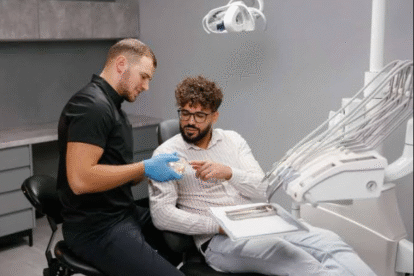
If something is found, you should expect a plain language explanation. That may include photos, X rays, or a quick mirror check so you can see the area yourself. You may hear terms like watch, treat soon, or treat now. That order matters because not every issue is urgent. A solid general dental exam helps separate what is preventive from what is active disease.
| Part of the Visit | What It Checks | Why It Matters |
|---|---|---|
| Health history review | Medications, conditions, symptoms | Links mouth changes to your overall health and lowers treatment risks |
| Visual tooth exam | Cavities, cracks, worn enamel, old fillings | Catches damage before pain or fracture |
| Gum evaluation | Bleeding, pockets, recession, inflammation | Finds early gum disease and bone loss risk |
| X rays | Hidden decay, infection, bone changes | Shows problems not visible during a surface check |
| Soft tissue screening | Spots, sores, lumps, tissue changes | Helps identify areas that need follow up |
| Bite and jaw review | Grinding, clenching, alignment issues | Explains wear, pain, and recurring damage |
Three steps that make your next dental exam easier
1. Write down what has changed. Bring a short list of symptoms, even if they seem minor. Include bleeding when brushing, bad breath that lingers, jaw soreness, sensitivity to cold, food trapping, and any tooth pain. Details help your dentist connect patterns that a quick memory may miss.
2. Bring your medication and health updates. New prescriptions, pregnancy, diabetes, heart conditions, and dry mouth all affect dental care. Mouth health is tied to the rest of your body, and your exam should reflect that.
3. Ask for priorities in plain language. If the dentist finds more than one issue, ask what needs treatment first, what can wait, and what happens if you delay. That single question can turn a stressful visit into a clear plan.
Knowing what to expect makes the visit less stressful
A dental exam is not about being judged for how long it has been. It is about finding what is happening now and giving you a path forward. If you are worried, embarrassed, or expecting the worst, you are not alone. Most problems are easier to handle when they are found early, and one visit can replace a lot of guessing with real answers.
If you have been waiting to see a general dentist, this is a good time to schedule your exam and get a clear picture of your oral health.