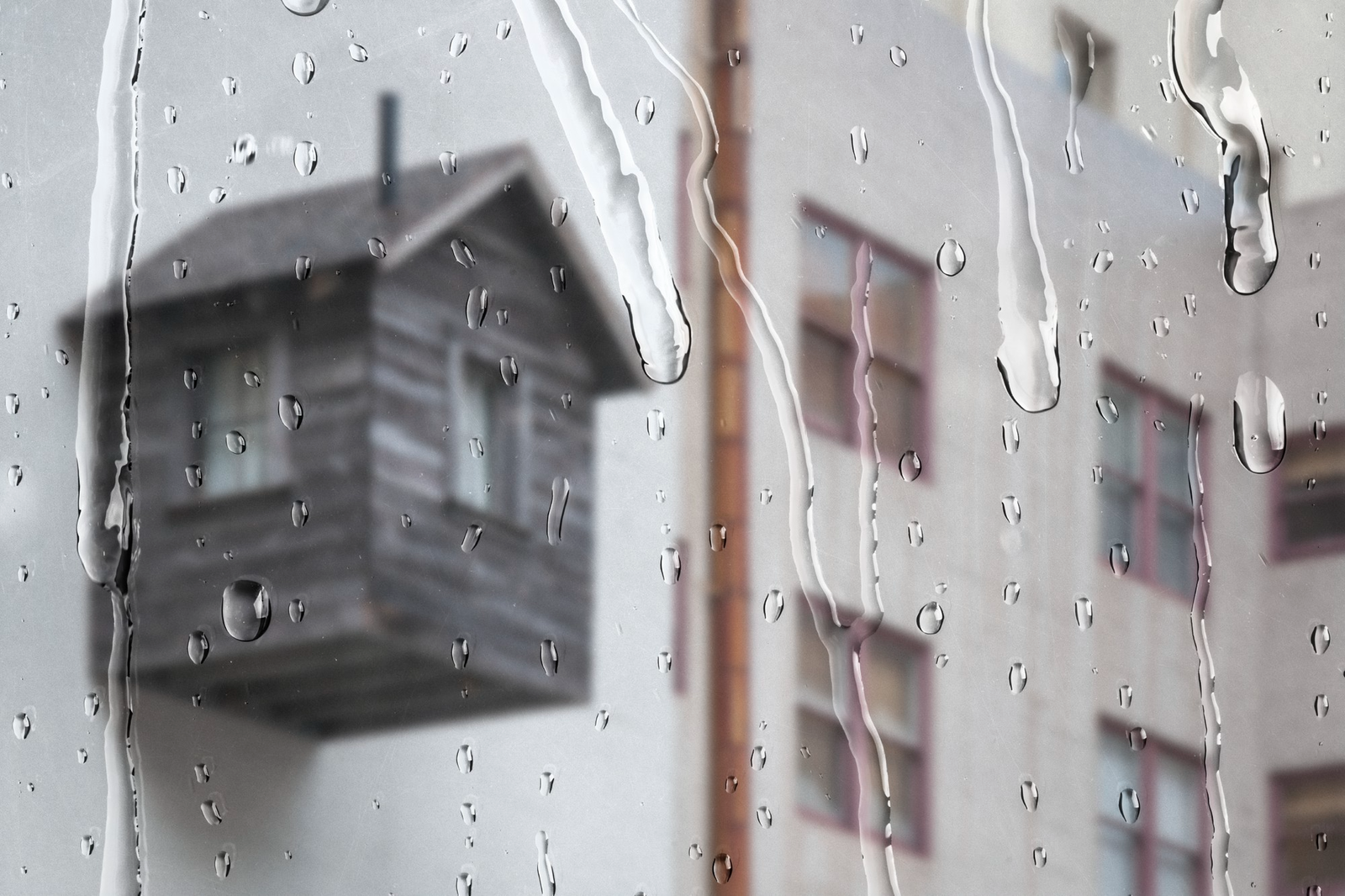
Heavy rain tests a building in ways that light showers never do. Water pours onto roofs for hours, collects in low spots, and pushes against walls and below-grade structures. Choosing the best waterproofing membrane for these conditions means looking past the price and focusing on how the product handles constant water.
What Heavy Rain Does to a Building
Water can pass through the small holes. During a long storm, it can get through small holes, weak seams, and edges that aren’t sealed well. It’s more likely to leak if it pools on a flat surface and stays there for a long time. The wind-pushed rain is also a problem because it gets into holes and cracks that should stay dry.
Qualities to Look For
That being said, not all membranes can handle it. These are the most important things:
- Strong Waterproofing: For days, the membrane should keep water from getting through, even if it stays on the surface.
- Flexibility: Buildings move with heat and cold. A membrane that stretches without cracking keeps working through those changes.
- Good Adhesion: It needs to bond tightly to the surface so water cannot creep underneath.
- Durable Seams: Seams and overlaps are where leaks usually begin, so they should be easy to seal well.
- Puncture and UV Resistance: Exposed membranes face sun, foot traffic, and debris, so toughness counts.
Common Membrane Options
- Bitumen Membranes: These are made out of modified asphalt and have been trusted on roofs and foundations for decades. They are thick, waterproof, and can handle standing water. They are supplied in sheets, either torch-applied or self-adhesive, and the overlaps are sealed to give a continuous barrier.
- Polyurethane Liquid Membranes: Applied as a rolled or sprayed on product and cured into a seamless rubbery layer. They work well on roofs with lots of corners, pipes and drains as they flow around every detail.
- Cementitious Coatings: These bond well to concrete and suit walls, tanks, and basements. They are less flexible, so they work best where little movement is expected.
For flat roofs and areas where water collects, thick sheet systems and seamless liquid systems tend to perform best.
Match the Membrane to the Location
The way rain hits a roof, a basement wall, and a terrace is all different. The sun and water that pools on roofs aren’t nice. Below-grade walls are always under pressure from wet soil. For terraces and balconies, you need a membrane that can handle people walking on it and has an extra layer of protection on top. It’s more important to pick the right product for the job than to pick the most popular one.
Installation Makes the Difference
A good membrane won’t work if it’s not put on right. The surface should be dry, clean, and free of any loose stuff. Cracks should be fixed first. The edges of walls, drains, and pipes need extra care because that’s where water starts to leak. It’s also helpful if the roof drains water quickly, as this puts less stress on the membrane.
Wrapping Up
When it rains a lot, you need a membrane that stays flexible, sticks well, and keeps its seams tight. Choose a product that is made for the place where it will be used and make sure it is installed correctly. It’s much cheaper to plan ahead before the rainy season than to fix water damage after the fact.