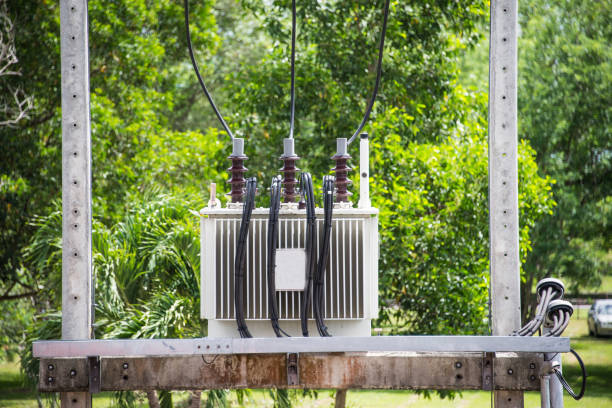
In modern electrical systems, maintaining a stable and reliable voltage supply is essential for the safe operation of equipment and appliances. Voltage fluctuations can lead to inefficiency, equipment damage, and costly downtime. To address these challenges, electrical systems rely on high-quality transformers that regulate voltage and distribute power efficiently. One such important device is the 15 KVA single phase transformer.
An advanced 15 KVA single phase transformer is designed to provide precise voltage regulation, improved efficiency, and enhanced safety for a wide range of electrical applications. From residential power distribution to commercial and industrial environments, these transformers ensure smooth energy transfer while minimizing power losses.
This article explores the working principle, design features, advantages, and applications of advanced 15 KVA single phase transformers used for efficient voltage regulation.
Understanding a 15 KVA Single Phase Transformer
A 15 KVA single phase transformer is an electrical device that transfers electrical energy between circuits through electromagnetic induction. It operates using a single-phase power supply and is capable of handling loads up to 15 kilovolt-amperes (KVA).
The transformer’s primary function is to adjust voltage levels—either stepping voltage up or stepping it down—while maintaining power stability across electrical systems.
Why Voltage Regulation Matters
Voltage regulation refers to the ability of a transformer to maintain a constant output voltage despite variations in load or input voltage.
Poor voltage regulation can lead to several problems such as:
- Overheating of electrical equipment
- Reduced lifespan of appliances
- Power interruptions
- Increased energy consumption
An advanced transformer design ensures minimal voltage drop and stable output, even when electrical demand fluctuates.
How a 15 KVA Single Phase Transformer Works
The operation of a transformer is based on electromagnetic induction. When alternating current flows through the primary winding, it generates a magnetic field around the transformer’s core.
This magnetic field induces a voltage in the secondary winding. The amount of voltage induced depends on the ratio of turns between the primary and secondary coils.
Step-Up and Step-Down Functions
A transformer can perform two primary functions:
Step-Up Transformation
Increases voltage from the primary winding to the secondary winding.
Example:
120V input → 240V output
Step-Down Transformation
Decreases voltage to match the requirements of electrical devices.
Example:
240V input → 120V output
This ability to adjust voltage levels makes transformers essential components in power distribution networks.
Key Features of Advanced 15 KVA Single Phase Transformers
Modern transformer designs incorporate several advanced features that improve voltage regulation and operational efficiency.
High-Quality Magnetic Core
The core is the heart of the transformer. Advanced transformers use laminated silicon steel cores or amorphous metal cores to reduce magnetic losses and improve efficiency.
Benefits include:
- Lower energy loss
- Better magnetic performance
- Reduced heat generation
Precision Winding Design
Improved winding techniques help minimize resistance and reduce copper losses. High-conductivity copper windings ensure efficient current flow and reliable voltage regulation.
Enhanced Insulation Systems
Advanced insulation materials protect the transformer from electrical faults, moisture, and thermal stress. This ensures long-term reliability and safety.
Improved Cooling Mechanisms
Efficient cooling systems prevent overheating and maintain stable operation under heavy loads.
Common cooling methods include:
- Natural air cooling
- Oil-immersed cooling systems
- Forced air cooling
Compact and Durable Construction
Modern transformers are designed with compact structures that make installation easier while maintaining strong mechanical durability.
Benefits of Using an Advanced 15 KVA Transformer
An advanced transformer offers several advantages compared to traditional transformer models.
Improved Voltage Stability
Advanced transformers maintain consistent voltage output even during load fluctuations. This protects electrical equipment from damage caused by unstable power.
Higher Energy Efficiency
Energy-efficient designs reduce core and copper losses, allowing more power to reach connected devices.
Reduced Operating Costs
Lower energy loss results in reduced electricity consumption and lower operating expenses over time.
Increased Equipment Lifespan
Stable voltage helps prevent overheating and electrical stress, which extends the lifespan of connected devices.
Reliable Performance
Advanced transformers are designed for long-term continuous operation, making them suitable for critical applications.
Applications of 15 KVA Single Phase Transformers
Because of their efficiency and versatility, 15 KVA transformers are widely used across different sectors.
Residential Power Distribution
In residential areas, these transformers regulate voltage for homes and small apartment complexes. They ensure that appliances receive stable power supply.
Commercial Buildings
Retail stores, office buildings, and small commercial facilities rely on transformers for safe and efficient energy distribution.
Industrial Operations
Light manufacturing units and workshops use 15 KVA transformers to power equipment such as motors, control systems, and tools.
Renewable Energy Systems
Solar power systems often require transformers to convert generated voltage into usable power for homes or grid integration.
Healthcare Facilities
Hospitals and clinics depend on stable power supply for sensitive medical equipment such as imaging systems and diagnostic devices.
Factors to Consider When Selecting a Transformer
Choosing the right transformer is important for ensuring efficiency, reliability, and safety.
Load Capacity
Ensure the transformer can handle the required load without overheating or overloading.
Efficiency Rating
Higher efficiency transformers reduce operational costs and energy losses.
Voltage Compatibility
Check the input and output voltage ratings to ensure compatibility with your electrical system.
Environmental Conditions
Consider factors such as temperature, humidity, and ventilation when selecting a transformer.
Safety Standards
Always choose transformers that comply with national and international safety standards.
Installation and Maintenance Best Practices
Proper installation and maintenance ensure optimal transformer performance.
Installation Tips
- Install in a dry and ventilated location
- Ensure proper grounding
- Avoid exposure to excessive dust and moisture
- Follow manufacturer installation guidelines
Routine Maintenance
- Inspect insulation and wiring connections
- Monitor operating temperature
- Check for unusual noises or vibrations
- Clean ventilation areas regularly
Routine maintenance helps prevent unexpected failures and ensures long-term reliability.
See also: How Technology is Helping IVF Doctors in Noida Improve Success Rates
Future Developments in Transformer Technology
Transformer technology continues to evolve with the growing demand for efficient energy systems.
Future innovations include:
- Smart transformers with digital monitoring systems
- IoT-enabled performance tracking
- Ultra-efficient amorphous core transformers
- Environmentally friendly insulating materials
These advancements will further improve voltage regulation, reduce energy waste, and enhance power system reliability.
Conclusion
An advanced 15 KVA single phase transformer is a crucial component in modern electrical infrastructure. It ensures efficient voltage regulation, protects equipment from power fluctuations, and improves overall energy efficiency.
With advanced core materials, improved winding designs, and reliable insulation systems, these transformers deliver stable and dependable power for residential, commercial, and industrial applications.
By selecting a high-quality transformer and following proper installation and maintenance practices, businesses and homeowners can achieve reliable power distribution, reduced operational costs, and long-term electrical system performance.