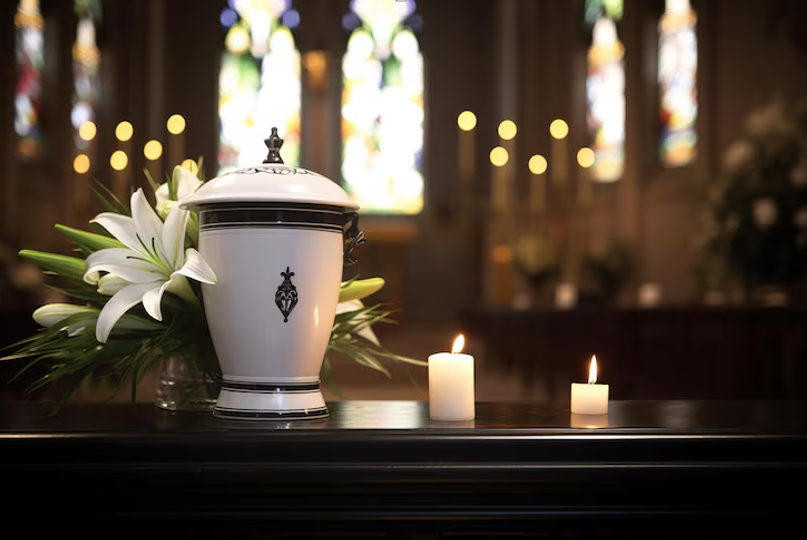
When someone you love passes away, the decisions pile up fast. You’re grieving, maybe exhausted, and suddenly you’re expected to know about cremation options you’ve never researched. Tampa offers three main types of cremation services, and understanding the differences can help you choose what feels right for your family. Each option carries its own process, timeline, and environmental impact. Let’s break down what makes each one different.
Understanding the Three Main Types
Traditional cremation in Tampa follows a familiar path that many families recognize. The body is prepared, often embalmed, and a viewing or funeral service happens before cremation takes place. This approach gives people time to say goodbye in a conventional setting. Families who value ceremonial send offs often lean toward this option because it mirrors what they’ve seen at other funerals. The process takes longer, sometimes several days, because it includes preparation steps that aren’t part of simpler methods.
What Makes Green Cremation Different
Green cremation, sometimes called alkaline hydrolysis or water cremation, uses a chemical process instead of flame. The body is placed in a solution of water and potassium hydroxide, then heated under pressure. What remains are bone fragments, similar to flame cremation, and a sterile liquid that gets returned to the water system. Not all states allow this method yet, and availability in Tampa can be limited. People drawn to this option usually care about reducing their carbon footprint. The process uses less energy than flame-based cremation and doesn’t release mercury or other emissions into the air.
Each method changes what happens to the body, but they all end with cremated remains that families can keep, scatter, or bury. The choice often comes down to what feels respectful to you and what the person who died might have wanted. Some people leave clear instructions. Others don’t, and that’s when families have to decide based on values, budget, and time constraints.
How Traditional Cremation Works
Traditional cremation offers the most familiar structure. You’ll work with a funeral home that handles everything from picking up the body to coordinating the service. The viewing happens in a casket, which can be rented if you’re not planning a burial. After the service, the body is taken to a crematory. The entire process can take a week or more, depending on how quickly you schedule the service. Embalming is common but not always required, especially if the service happens within a few days.
The Direct Cremation Process
Direct cremation cuts out the middle steps. The funeral home or cremation provider picks up the body, files the necessary paperwork, and schedules the cremation. You don’t need a casket or embalming. The body is placed in a simple container, often cardboard or wood, that burns completely during cremation. Within a few days, you receive the ashes. Some families feel this approach lacks closure because there’s no formal goodbye. Others find it freeing, preferring to plan a memorial service on their own terms without the pressure of tight timelines.
Environmental Impact of Each Method
Why does the choice matter beyond personal preference? Each method has environmental consequences. Traditional cremation releases carbon dioxide, mercury from dental fillings, and other pollutants. It requires fuel, usually natural gas, to reach temperatures high enough to reduce a body to ash. Direct cremation has the same environmental impact but skips the embalming chemicals, which often contain formaldehyde. Green cremation uses about a tenth of the energy and produces no airborne emissions, though it does require water and electricity.
See also: “Data Science Roadmap: Your Step-by-Step Guide to Success”
Religious and Cultural Factors
Religious and cultural beliefs shape these decisions, too. Some faiths encourage traditional funerals with specific rituals before cremation. Others have no strict rules but lean toward practices that feel respectful within their community. Direct cremation can conflict with customs that emphasize viewing the body or holding a service before disposition. Green cremation is still new enough that many religious leaders haven’t formed clear positions on it.
Making Your Decision
Choosing between these methods often means balancing what you value most. Do you want a ceremony that feels familiar? Does environmental impact matter to you? How quickly do you need closure? There’s no wrong answer, but thinking through these questions before you’re in the middle of grief can help. Some people pre-plan their own cremation, leaving instructions so their family doesn’t have to guess. Others leave it open, trusting their loved ones to choose what feels right.
Legal Requirements in Florida
The cremation process itself, whether traditional, direct, or green, is regulated by state law. Florida has specific requirements for who can authorize cremation, how long you must wait after death, and what paperwork is needed. Funeral homes and crematories follow these rules to protect families and ensure proper handling of remains. Understanding these legal steps can make the process feel less mysterious.
What Happens to the Ashes
What happens after cremation is up to you. The ashes can be kept in an urn, scattered in a meaningful place, buried in a cemetery, or even incorporated into jewelry or art. Some families divide the ashes among relatives. Others keep them intact. There’s no timeline for making this decision. You can hold onto the ashes as long as you need before choosing what to do with them.
Scattering Options in Tampa
Tampa’s climate and geography offer many options for scattering ashes. Beaches, parks, and waterways are popular choices. Just check local regulations first, as some areas require permits or have restrictions. Scattering at sea is legal if you’re at least three nautical miles from shore. Some families hire boats specifically for this purpose.
Pre-Planning Your Own Cremation
If you’re pre-planning your own cremation, consider writing down your preferences. Do you want a service? Where should your ashes go? Who should make decisions if you haven’t covered something? These conversations feel uncomfortable, but they remove guesswork during an already difficult time. You can also pre-pay for services, which locks in current pricing and removes the financial burden from your family.
Why Cremation Has Become More Common
Cremation has become the more common choice in recent years, surpassing traditional burial in many parts of the country. Tampa reflects this trend. People cite cost, simplicity, and flexibility as reasons for choosing cremation over burial. The option to scatter ashes in meaningful locations appeals to families who want something personal rather than a cemetery plot.
Finding What Feels Right
Still, cremation isn’t for everyone. Some people feel strongly about keeping the body intact or following specific burial traditions. That’s completely valid. The point is to choose what aligns with your values and brings peace to those left behind. Whether you choose traditional, direct, or green cremation, the goal is the same: honoring someone’s life in a way that feels respectful and meaningful.