Renovation projects and large-scale cleanup tasks often generate a substantial amount of waste. Managing this waste effectively is crucial for maintaining a safe and organized work environment. Skip bin hire in Mount Barker offers an efficient and convenient solution for homeowners, contractors, and businesses looking to dispose of debris responsibly. With the right planning and understanding, skip bins can streamline the cleanup process, saving time, effort, and money.
This article explores how to make the most of skip bin hire for renovation and cleanup tasks, from selecting the right bin to handling different types of waste safely.
Understanding Skip Bin Hire
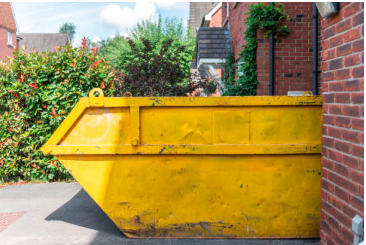
Skip bins are large, open-top containers designed for collecting waste materials. They come in various sizes to accommodate everything from small home projects to extensive construction or renovation work. Hiring a skip bin allows you to consolidate waste in one location, making disposal straightforward and efficient.
Benefits of Using Skip Bins
Skip bins offer numerous advantages for renovation and cleanup projects, including:
- Convenience: All waste is collected in a single container, reducing trips to the landfill.
- Efficiency: Large volumes of waste can be removed quickly, keeping work areas organized.
- Safety: By containing debris, skip bins minimize hazards such as sharp objects or loose materials.
- Environmental Responsibility: Many skip bin providers sort and recycle waste, reducing landfill impact.
By incorporating skip bins into your project plan, you can focus on completing tasks without worrying about waste management challenges.
Common Uses of Skip Bins
Skip bins are versatile and can be used for various projects, such as:
- Home renovations and remodeling
- Garden cleanup and landscaping
- Office or commercial property clearance
- Construction site debris removal
- Roof and garage cleanouts
Understanding the type and volume of waste your project will generate helps you select the most suitable skip bin size.
Choosing the Right Skip Bin
Selecting the correct skip bin size is essential for efficiency and cost-effectiveness. Bins come in different capacities, usually measured in cubic meters, to accommodate various types of projects.
Skip Bin Sizes
Common skip bin sizes include:
- 2-3 cubic meters: Ideal for small home projects or garden waste.
- 4-6 cubic meters: Suitable for medium-sized renovations or office cleanups.
- 8-10 cubic meters: Perfect for larger construction sites or major demolition projects.
- 12+ cubic meters: Designed for industrial or commercial projects with extensive debris.
Choosing a bin that is too small may result in multiple hires, increasing costs, while an oversized bin may be unnecessary and less economical.
Waste Type Considerations
Not all skip bins can accept every type of waste. When hiring a skip bin, consider:
- General waste: Household items, packaging, non-hazardous materials.
- Green waste: Garden clippings, branches, and soil.
- Construction and demolition waste: Concrete, bricks, tiles, and timber.
- Hazardous waste: Chemicals, paints, asbestos (requires specialized bins and handling).
Identifying the waste type ensures compliance with regulations and prevents additional fees for prohibited items.
Planning Your Skip Bin Hire
Efficient skip bin use starts with careful planning. Proper planning can reduce costs, prevent delays, and ensure the cleanup process runs smoothly.
Estimate the Volume of Waste
Calculate the approximate volume of waste your project will generate. This helps you choose a bin size that meets your needs without overpaying. For example, small bathroom renovations may only require a 3 cubic meter bin, while a full home renovation may need an 8-10 cubic meter container.
See also: 25 Seater Bus Hire in Bangalore for Bangalore to Goa Trip
Determine Placement and Access
Before the skip bin is delivered, consider where it will be placed. Key considerations include:
- Level ground to prevent tipping
- Easy access for trucks to deliver and collect the bin
- Compliance with local council regulations for placement on public property
- Sufficient space to load debris safely
Proper placement ensures the bin can be filled efficiently without obstructing work areas.
Schedule Delivery and Collection
Coordinate delivery and collection dates with your skip bin provider. Having the bin on-site when work begins allows continuous waste disposal, while timely pickup prevents clutter and potential fines.
Filling Your Skip Bin Safely
Filling a skip bin correctly maximizes its capacity and ensures safety for workers.
Layer Waste Strategically
Place heavier items at the bottom and lighter materials on top. Break down large objects such as furniture or timber to save space. This prevents the bin from overflowing and reduces the risk of injury when loading.
Avoid Overloading
Never fill a skip bin above its designated capacity or beyond the top edge. Overloading can make transportation unsafe, may incur additional charges, and could violate safety regulations.
Segregate Waste When Required
If your provider offers separate bins for green waste, construction debris, or recyclables, ensure items are placed in the correct container. Proper segregation reduces disposal costs and facilitates recycling.
Complying with Legal and Environmental Regulations
Using skip bins responsibly involves adhering to legal and environmental requirements.
Council Permits
In some areas, placing a skip bin on public property requires a permit from the local council. Check local regulations before booking your hire to avoid fines or removal fees.
Waste Disposal Regulations
Certain materials, such as asbestos, chemicals, and electronic waste, require special handling. Professional skip bin providers can advise on legal disposal methods and provide the appropriate bins for hazardous waste.
Recycling and Sustainability
Many skip bin services sort and recycle a significant portion of collected waste. By choosing a provider committed to recycling, you contribute to environmental sustainability while managing your project efficiently.
Choosing a Reliable Skip Bin Provider
The efficiency of your cleanup project largely depends on selecting a reputable skip bin company.
Factors to Consider
When choosing a skip bin provider, consider:
- Range of bin sizes and types: Ensures you get the right bin for your project.
- Clear pricing structure: Avoid hidden fees for overfilling or prohibited items.
- Prompt delivery and collection: Minimizes delays and keeps your project on schedule.
- Experience and customer reviews: Established providers often offer better service and reliability.
Working with a dependable provider ensures that your waste management runs smoothly from start to finish.
Conclusion
Efficient skip bin hire is a practical solution for managing waste during renovation and cleanup tasks. By understanding your project’s waste volume, selecting the appropriate bin, planning placement and access, and following safety and legal guidelines, you can simplify the disposal process while saving time and effort.
From small home improvements to large-scale construction projects, skip bins offer convenience, safety, and environmental responsibility. Choosing a reliable provider and using the bins correctly ensures that debris is handled efficiently, helping you maintain an organized workspace and complete your renovation or cleanup task without hassle.
With proper planning and execution, skip bin hire becomes an essential tool for anyone looking to manage waste effectively, streamline projects, and contribute to a cleaner, safer environment.