Water activities, such as swimming pools, beaches, or water parks, are enjoyed by people. Water offers fun, fitness, and relaxation. These courses provide participants with the skills, knowledge, and confidence. Training is required to ensure safety. Today, water safety is a very serious matter. Accidents happen without warning; that is why lifeguard classes become very useful.
It is not only about rescue skills, it also builds responsibility and discipline. The American Lifeguard Association is a professional lifeguarding organization who issues lifeguard certificate to the active lifeguards. They provide different training courses that teach people important water safety and rescue skills. Their programs are designed for anyone who is interested in becoming a trained professional.
What Are Lifeguard Courses?
Lifeguard courses usually include different types of training sessions. These sessions help students to understand water safety and rescue techniques. In the beginning, students learn basic information about ALA lifeguarding and certification.
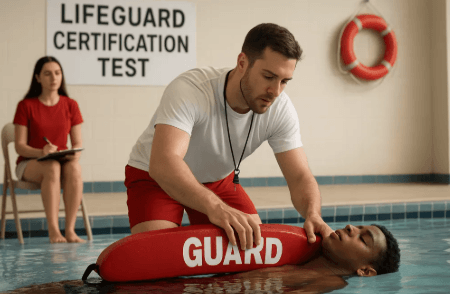
The main part of the training is practical. Students practically learn many things, like swimming, rescue methods, and ways to help others. These practice sessions help them become more comfortable in the water. This session also improves their skills.
Students also learn how to stay calm and act quickly. It is essential for everyone to get training. Rescue responder training is something that anyone can easily learn. It ensures that everyone is ready to respond safely.
What You Learn in a Lifeguard Course
• Basic Swimming Techniques: Students learn proper swimming methods.
• Rescue Methods in Water: The course teaches different ways to help other persons.
• CPR Training: These courses made students professional trainers to perform CPR.
• First Aid Skills: The training also includes basic first aid.
• Water Safety Rules: Students learn important safety guidelines about water safety.
• Teamwork and Communication: Rescue responders work with others, so they learn how to work as a team.
• Physical Fitness Improvement: The course also helps to improve physical fitness.
Key Skills Covered in Lifeguard Courses
Training of rescue responders plays a very important role in our daily lives, and it is very important for us to learn it. These classes teach people many important skills that help people stay safe around water. Some important skills are mentioned.
· Water Rescue Techniques
· CPR and First Aid Training
· Emergency Response Skills
· Safety Monitoring and Prevention
Types of Lifeguard Courses Available
It provides us various courses of essential skills for saving lives. Its courses leaving a remarkable impact on the social, economic and physical aspects of our lives. It helps you to become more confident, aware, and responsible. Here are some types of lifeguard courses that are available.
· Pool Lifeguard Course
· Waterfront Lifeguard Course
· Advanced Lifeguard Course
Who Can Enroll in Lifeguard Courses
Anyone can become a trained rescue responder who is interested in water safety and also wants to help others. Today, a large number of people are participating in this training. It is not necessary to be an expert from the start. Many beginners join these classes to improve their swimming. They also learn how to help others in emergencies. Anyone who is interested can easily take part in this training.
• Many students join these classes to learn new skills.
• People who already know basic swimming can improve their abilities.
• Anyone who is interested in learning about water safety.
• Beginners can take these classes to learn basic water skills.
Age & Fitness Requirements
To become a trained professional, a person needs some basic age and fitness requirements. Trained professionals must be physically active and professional swimmers.
• The individual must meet the minimum age required for the training program.
• Basic swimming knowledge is very important.
• A trained professional must be physically fit and active.
• Good stamina is required because the trainer may need to swim for long periods.
• Strong arms and legs help in serious situations.
• The person should be comfortable being in the water for a long time.
See also: Turbine Blend Polish Peen Services to Improve Turbine Life and Performance
Personal Qualities That Help
In training, physical fitness and some personal qualities also help a person become a good rescue responder. These qualities help them to stay calm and responsible.
• A rescue responder must be responsible for the safety of swimmers.
• Being alert helps them sense danger quickly.
• Good communication skills help in guiding swimmers.
• Teamwork is useful when working with other trainers.
• The ability to stay calm under pressure is very important.
• Trained professionals must have a helpful and caring attitude.
Career Opportunities After Completing Lifeguard Courses
Completing some trained personnel courses opens doors to various jobs in aquatic safety:
- Community and public swimming pools
- Beach resorts
- Water parks and recreational centers
- Sports and fitness facilities
Lifeguard Course by American Lifeguard Association
The ALA is a special organization that is dedicated to providing professional and complete rescue courses. They provide courses that teach people important water safety and rescue skills. Their programs are designed for anyone who is interested in becoming a trained professional.