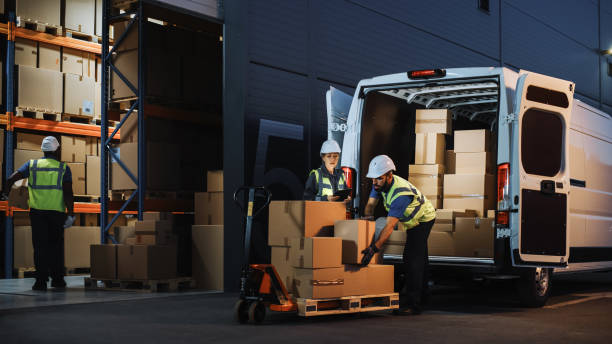
Selecting the right storage and transport solutions is a critical decision for any organization that handles goods, materials, or products on a daily basis. The choice you make can influence efficiency, safety, costs, and even customer satisfaction. When evaluating plastic crates for commercial use, it is important to look beyond price alone and understand how design, durability, and functionality align with your operational needs. A thoughtful approach ensures your investment supports long-term growth rather than creating avoidable challenges.
Understanding Your Business Requirements
Before purchasing any storage or logistics equipment, you need a clear picture of how it will be used. Consider the type of goods you handle, their weight, size, and sensitivity to damage. Some industries require containers that support heavy loads, while others need lightweight options that are easy for staff to carry. When plastic crates are chosen with these specific requirements in mind, they integrate more smoothly into daily workflows and reduce the risk of inefficiencies caused by poor fit or limited capacity.
Load Capacity and Structural Strength
One of the most important factors to evaluate is how much weight the container can safely handle. Overloading leads to breakage, damaged goods, and potential workplace injuries. High-quality plastic crates are designed with reinforced bases and sides that maintain shape even under constant pressure. Checking manufacturer load ratings and understanding whether the crate will be stacked, transported on pallets, or moved by forklifts can help ensure the structure meets your operational demands without compromise.
Durability and Material Quality
Not all polymers are created equal, and material quality directly affects lifespan. Crates made from high-density plastics tend to resist cracking, moisture absorption, and chemical exposure better than lower-grade alternatives. For businesses operating in cold storage, outdoor environments, or wash-down facilities, plastic crates with proven resistance to temperature changes and cleaning agents offer better value over time, even if their upfront cost is slightly higher.
Stackability and Space Efficiency
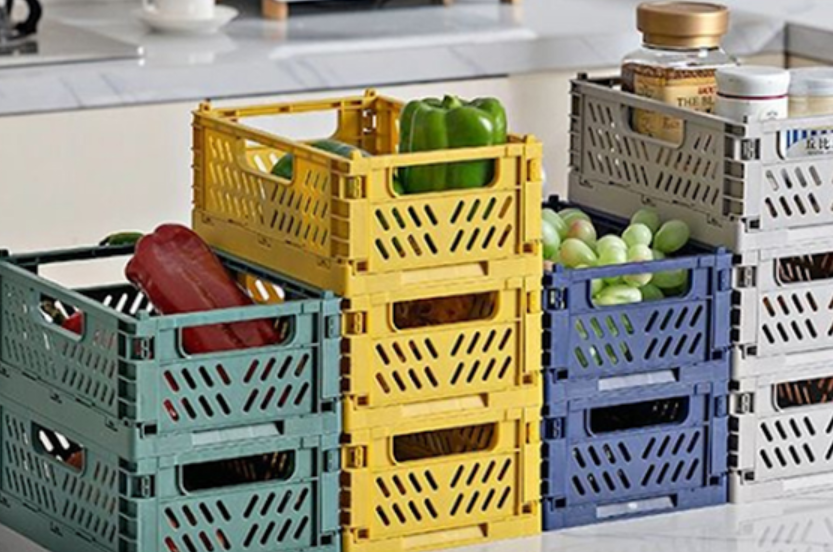
Efficient use of space is a constant concern in warehouses, retail backrooms, and transport vehicles. Stackable and nestable designs allow you to store more units in less space when they are empty and create stable stacks when full. Well-designed plastic crates support uniform stacking without slipping, which improves safety and maximizes vertical storage. This efficiency can significantly reduce storage costs and improve organization across your facility.
Hygiene, Cleaning, and Compliance
In sectors such as food processing, agriculture, and healthcare, hygiene is non-negotiable. Smooth surfaces, drainage holes, and non-porous materials make cleaning easier and more effective. Plastic crates that meet industry hygiene standards help businesses comply with regulations and avoid contamination risks. Easy cleaning also reduces labor time and ensures containers are ready for reuse quickly, supporting fast-paced operations.
See also: Credit Risk Monitoring: Key Strategies to Protect Your Business
Customization and Handling Features
Ergonomic design plays a major role in employee comfort and productivity. Handholds, reinforced rims, and compatibility with automated systems can make a noticeable difference in daily use. Some plastic crates can be customized with specific colors, labels, or branding, helping with inventory tracking and brand visibility. These seemingly small features add up to smoother processes and fewer handling errors.
Cost Efficiency and Long-Term Value
While initial purchase price is important, focusing solely on cost can be misleading. Durable plastic crates that last for years often deliver better returns than cheaper options that require frequent replacement. Evaluating total cost of ownership—including maintenance, replacement frequency, and operational efficiency—provides a more accurate picture of value. Investing wisely upfront often results in lower expenses and fewer disruptions over the long term.
Conclusion
Choosing the right storage and transport solution is a strategic decision that affects many aspects of your business. By carefully considering load capacity, durability, hygiene, space efficiency, and long-term value, you can select plastic crates that truly support your operations. A well-informed choice reduces risk, improves productivity, and ensures your investment continues to deliver benefits as your business evolves.