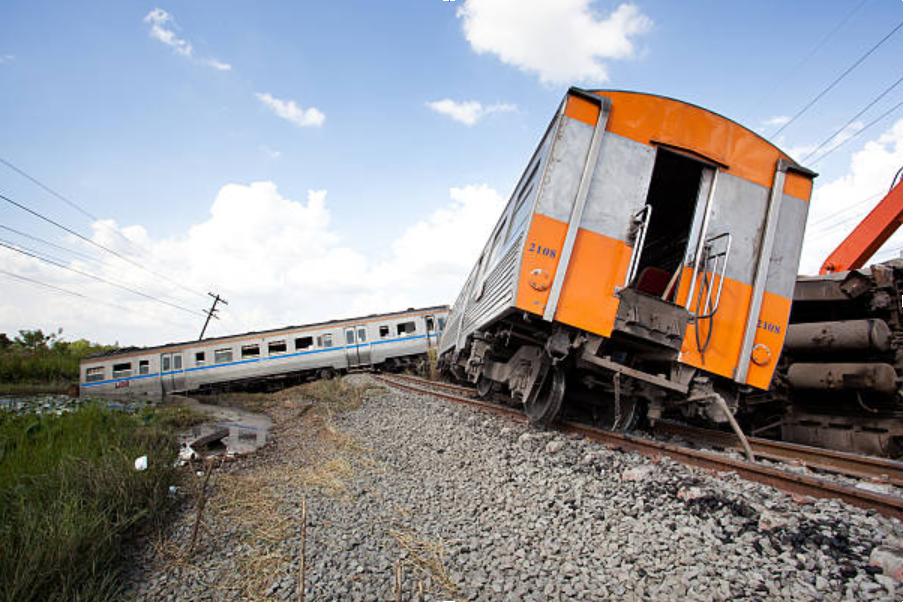
Train accidents are among the most catastrophic events in the transportation industry. Because of the sheer mass and velocity of locomotives, collisions and derailments often result in life-altering injuries or fatalities. Whether you were a passenger on a light rail, a motorist caught at a defective crossing, a pedestrian, or a railroad worker injured on the job, the path to recovery is paved with immense legal hurdles.
Unlike a standard car accident, railroad litigation involves a complex web of federal regulations, massive corporate defendants, and unique statutes. To secure the compensation you deserve, consulting a specialized train accident lawyer is not just an option. it is a necessity.
The Unique Complexity of Train Accident Cases
When a train is involved in an accident, the legal landscape shifts from local traffic laws to a high-stakes arena of federal oversight.
Federal Regulations and Interstate Commerce
Railroads are governed primarily by federal law to ensure uniformity across state lines. An experienced attorney must be well-versed in:
- The Federal Railroad Administration (FRA) safety standards.
- The Federal Employers’ Liability Act (FELA) for worker-specific claims.
- Hours of Service (HOS) requirements that prevent crew fatigue.
- Positive Train Control (PTC) mandates and signal safety requirements.
Multiple Liable Parties
A single derailment or crossing accident can involve a chain of responsible entities. Your attorney will investigate:
- Railroad Companies: Such as Union Pacific, BNSF, or Amtrak.
- Equipment Manufacturers: If a brake system, signal, or axle was defective.
- Maintenance Contractors: Third-party firms responsible for track or crossing upkeep.
- Government Entities: Cities or counties that may have designed a dangerous crossing or failed to maintain proper signage.
Common Types of Train Accidents
Understanding the mechanics of these accidents is essential for proving negligence. Specialized legal teams analyze different scenarios to pinpoint fault:
1. Railroad Crossing Accidents
Crossings are the most frequent sites of vehicle-train collisions. Liability often rests on Railroad Negligence, such as:
- Malfunctioning gates or warning lights.
- Failure of the engineer to sound the horn at the appropriate distance.
- Overgrown vegetation that obscures a driver’s sightline of the tracks.
2. Pedestrian Accidents
While railroads often argue that pedestrians are “trespassing,” a skilled lawyer can often prove the railroad failed in its duty of care. This may include failing to fence off a known “attractive nuisance” or traveling at excessive speeds through densely populated urban areas.
3. Passenger Train Incidents
Under the law, passenger trains are considered “common carriers.” This means they owe their passengers the highest duty of care. If you are injured due to a derailment, a sudden stop, or even an assault resulting from inadequate security, the carrier may be held liable for failing to provide a safe environment.
See also: Pest Control Birmingham: Protecting Your Garden and Outdoor Spaces
Railroad Worker Injuries and the Power of FELA
Railroad employees occupy a unique legal space. They are not covered by standard state workers’ compensation. Instead, they must seek recovery through the Federal Employers’ Liability Act (FELA).
Why FELA Claims Are Different
Unlike the “no-fault” nature of workers’ comp, FELA requires the injured worker to prove that the railroad’s negligence played a part—no matter how small—in their injury.
- No Damage Caps: FELA allows for full recovery of pain and suffering, which is often capped in workers’ comp cases.
- Comparative Negligence: You can still recover damages even if you were partially at fault for the accident.
- Jury Trials: Workers have the right to take their case before a jury rather than a state board.
At Lampert & Walsh, we understand the specialized tactics needed to prove negligence in FELA cases, from repetitive motion injuries to catastrophic “struck-by” incidents.
Investigating the “Black Box” of Rail Accidents
Proving fault in a train accident requires technical evidence that the average person cannot access. A train accident lawyer will secure:
- Locomotive Event Recorders: The “black box” that logs speed, braking, and horn usage.
- Inward and Outward-Facing Cameras: Footage showing the crew’s actions and the track conditions.
- Dispatch Records: Communications between the train and the control center.
- Maintenance Logs: Evidence showing if the tracks or signals were neglected.
Calculating Damages in Catastrophic Claims
Because train accidents often lead to permanent disability or wrongful death, the damages are frequently in the millions. We work with economic and medical experts to calculate:
Economic Damages
- Lifetime Medical Care: Surgery, rehabilitation, and long-term nursing.
- Lost Earning Capacity: The total value of future wages and benefits you can no longer earn.
Non-Economic Damages
- Pain and Suffering: The physical agony and emotional trauma (PTSD) associated with the crash.
- Loss of Enjoyment of Life: Compensation for the inability to participate in hobbies or family life as you once did.
Overcoming Corporate Defense Tactics
Railroad companies are massive corporate entities with “Go Teams,” accident investigators and lawyers dispatched to the scene within hours. Their goal is to:
- Blame the Victim: Arguing you ignored a signal or were in an unauthorized area.
- Control the Narrative: Gathering statements before you have had time to consult a lawyer.
- Minimize the Injury: Using their own medical experts to claim your injuries are pre-existing.
Your attorney acts as an immediate counter-weight to these tactics, preserving evidence before it is altered or “lost” by the corporate defendant.
Conclusion: Taking the First Step Toward Justice
The aftermath of a train accident is a blur of medical emergencies and overwhelming stress. You should not be forced to navigate federal statutes and battle multi-billion dollar railroad corporations while you are trying to heal. Hiring a qualified train accident lawyer ensures that you have a fierce advocate who understands the specialized nuances of railroad law and the aggressive tactics of corporate defense teams.
By taking proactive legal action, you are not just filing a claim; you are demanding accountability. Whether your case involves a complex FELA claim for a workplace injury or a crossing accident that changed your family’s life, professional representation ensures that your future financial stability is protected. Do not let the railroad companies dictate the terms of your recovery. Contact an experienced attorney today to secure the justice and maximum compensation you deserve.