

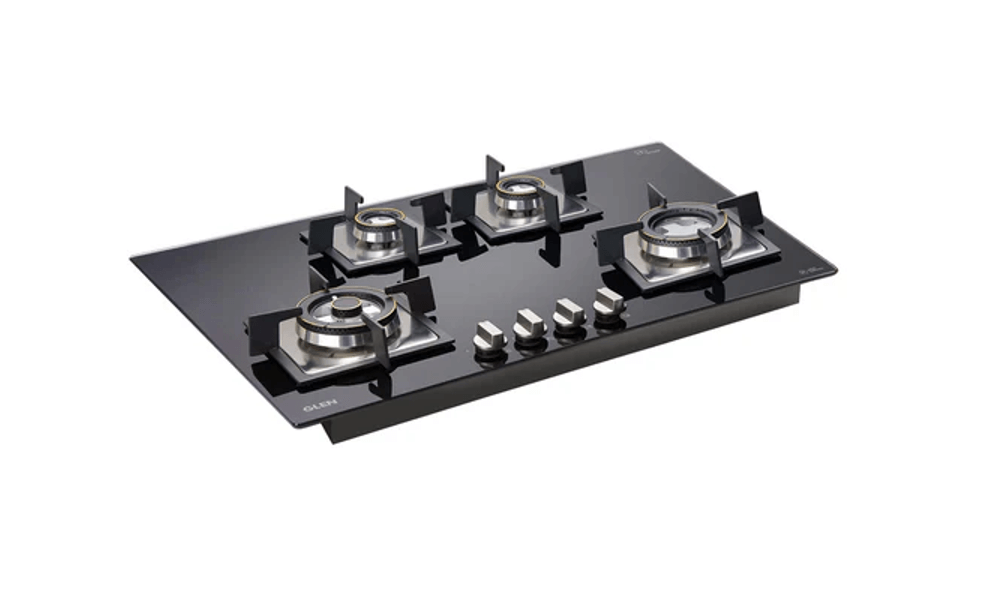
The power failure and monsoon find a strange way of testing every item in your house, and the kitchen is the first one to be affected. Cooking when the electricity is off and it is all humid is by no means a normal activity. And that is where an LPG gas stove is required. It works no matter what is going on- but it does not imply that safety should be the last consideration.
During the monsoon season, you might experience changing levels of gas pressure, high humidity, and power cuts, which have the consequence, that you will be preparing meals under limited light. That is where, in such circumstances, the slightest mistakes can be readily overlooked. It is at that time that knowing how to operate your LPG stove becomes very essential.
Now that we have enough of that, we proceed to some tips that are easy and that are doable and effective.
Why It Is a Good Idea to Be Extra Cautious in Monsoons and Power Cuts
Monsoons imply that water seeps into every corner of the house. Kitchens have not been left behind either because wet floors, damp air and water dripping in can increase the possibilities of falling, a fire that no one sees or gases that escape.
There is also the risk of poor lighting in case of a power outage. It is not easy to notice a loose burner, an uneven flame, or even spilled oil. This is the reason why additional care is a necessity.
Always Check Ventilation First
It only takes a minute to check the airflow before you turn on the gas in your LPG gas stove. Open a window, or switch on the exhaust fan (the power supply, should it be available) or at least crack the door to the kitchen. Good ventilation helps:
- Prevent gas build-up
- Maintain steady flames
- Reduce smoke and excess heat
In monsoons, individuals tend to close windows to keep the rain off. It is just important to ensure that fresh air finds its way in.
Apply a Trustworthy Ignition Process
In case your stove has the feature of auto-ignition, ensure that you wipe your hands before using it. Long-term effects of water are that it may have some influence on ignition systems. When you are using a matchstick or a lighter:
- To start the gas switch on the match and turn on the gas.
- Keep your hand straight and do not touch the burner.
- It is a very easy process that will reduce the chances of abrupt flare-ups, particularly in the case of power outages.
Clean and Dry Stove Surface
Water and grease don’t mix. The burner caps and pan supports might also have water during monsoons, thus resulting in uneven flames or a slow start. Dry your LPG stove before cooking, especially:
- Around burners
- Knobs and ignition points
- Glass or steel surfaces
This will help prevent accidents due to the slipping of utensils.
Pay Attention to the Flame
A normal flame on an LPG gas stove should be blue and constant. Yellow or orange flames may be due to:
- Moisture in the vicinity of the burners
- Blocked ports
- Inadequate gas-air mixture
In case of irregular flames, you need to shut off the gas stove and allow the moisture to dry before relighting the stove. Always pay attention to a strange pattern of flames, and more so during humidity.
Avoid Cooking in Complete Darkness
Cooking during power cuts is a common practice, but cooking in almost dark conditions is not a very good practice. Use a rechargeable lamp or emergency light placed at a safe distance from the flame. Good lighting will help you:
- Watch the flame correctly
- Avoid spills from boiling over
- Handle hot utensils carefully
- Do not use mobile torch lights placed too close to the stove. It is distracting and dangerous.
Turn Knobs Off Properly After Use
This is self-evident, yet when power goes off, and it is pouring down, it is likely to be distracted. One should always remember to ensure the knobs are off after cooking. A half-turned knob leads to gas leaks, which are difficult to notice in the following situations:
- There is background noise from the rain
- The windows are closed
- The lighting is poor
It is important to make it a habit to check twice, as it only takes seconds.
Keep the Gas Cylinder Area Dry
The cylinders are also kept in the lower cabinets or utility space in most houses, which are usually damp during the monsoons. Ensure that:
- The cylinder is not lying in water
- The rubber hose is dry and free from cracks
- There is no rust around the regulator
- Moisture can cause the joints to weaken with time, resulting in leaks
Don’t Rush Cooking During Power Cuts
When the power fails, the first reaction is to complete the cooking process as quickly as possible. Ironically, acting hastily multiplies the risks of accidents.
Slow down. Use the flames correctly. Turn the handles inward. An LPG gas stove is used most effectively when operated calmly and carefully, especially in situations that are not predictable.
Read also: TM44 Compliance in Practice: Real Scenarios Where Inspections Make a Difference
Choose a Stove Designed for Everyday Indian Conditions
Of course, not all stoves are created equal when it comes to dealing with humidity, heavy cooking, and regular usage. The following are the features that can really make a difference during monsoons and power outages:
- Heavy-duty pan supports
- Smooth flame control knobs
- Moisture-resistant burners
- Water-repellent surfaces that are easy to clean
These features are not about indulgence; they are about ensuring that you stay safe and sound.
Conclusion
An LPG gas stove can be used safely during the monsoon season and power cuts if you just stick to a few simple steps. Make sure that the area where the gas stove is kept is dry. Make sure that there is airflow and enough lighting. And the most important thing, don’t panic. It is a great advantage to remain calm even if things appear to be going wrong around you. If you are looking to choose a good LPG gas stove that is safe, easy to use, and suitable for Indian cooking, then Glen Appliances is a brand that you should consider.

 How to Choose the Right Software Development Company for Scalable Growth