

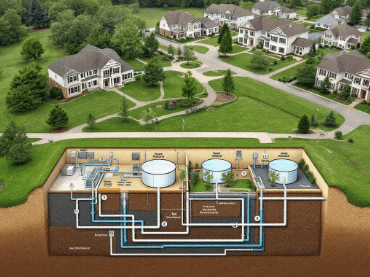
If you own rural or semi-rural property in Texas, chances are you rely on a septic system rather than a municipal sewer connection. Choosing the right system isn’t just a matter of preference — it’s a decision that affects your property’s value, your family’s health, and your compliance with Texas Commission on Environmental Quality (TCEQ) regulations. With several system types available and Texas soil conditions varying dramatically by region, making the right choice requires careful planning.
Start With a Professional Site Evaluation
The first step in selecting a septic system is a thorough site evaluation. Texas soil ranges from the expansive clay of the Blackland Prairie to the thin, rocky soils of the Hill Country. Each soil type has a different absorption rate, which directly determines what kind of system will work on your land.
A licensed site evaluator will conduct a soil analysis and percolation test to measure how quickly water moves through the ground. This data forms the foundation of your system design. Skipping this step — or relying on a neighbor’s experience — is one of the most common and costly mistakes Texas homeowners make.
Know the Main Septic System Types
Texas homeowners typically choose from several system types, each suited to different site conditions:
- Conventional Gravity Systems: The most common and cost-effective option for properties with adequate soil depth and good percolation. Wastewater flows by gravity from the tank to a drain field, requiring minimal mechanical components.
- Low-Pressure Dose (LPD) Systems: Ideal for sites with shallower soil or slower percolation. A pump distributes effluent evenly across the drain field, improving treatment efficiency and extending the life of the system.
- Aerobic Treatment Units (ATUs): These systems introduce oxygen into the treatment process, producing higher-quality effluent. They are often required on smaller lots or near sensitive water bodies and streams.
- Drip Irrigation Systems: Used when soil conditions are particularly challenging, these systems deliver treated effluent through a network of subsurface drip lines, minimizing surface disturbance and maximizing treatment area.
Your licensed installer will recommend the appropriate system based on your site evaluation results, lot size, household size, and proximity to water features or property lines.
TCEQ Compliance Is Non-Negotiable
In Texas, all on-site sewage facilities must comply with TCEQ rules, and installation requires a permit from your local authorized agent — typically your county. Working with a TCEQ-licensed installer ensures your system is designed and built to code, protecting you from fines, failed inspections, and costly retrofits down the road.
The permitting process involves submitting a site evaluation, a system design, and an application to your county. Once approved, installation can begin — followed by a final inspection before the system is placed into service. Cutting corners on this process is never worth the risk.
Factor In Long-Term Maintenance Costs
Every septic system requires regular maintenance to function properly. Conventional systems typically need pumping every three to five years, while aerobic systems require more frequent service — often quarterly inspections and annual maintenance contracts. When comparing system costs, factor in not just installation but the ongoing maintenance commitment each system type demands over its lifetime.
Work With a Local Expert Who Knows Your Terrain
Texas is a large and geologically diverse state, and septic system requirements vary significantly by county and region. Working with a contractor who has deep experience in your specific area makes a meaningful difference. They will understand local soil quirks, county permitting timelines, and the terrain challenges that affect installation — from rocky Hill Country caliche to the expansive clays common across Central Texas counties.
For homeowners across Burnet, Lampasas, Llano, Williamson, and Travis counties, finding a contractor with proven local experience is especially important. Providers who specialize in septic systems in Central Texas bring site-specific knowledge that out-of-area contractors simply cannot match — and that expertise shows in systems built right the first time, with no costly callbacks or compliance issues.
Get a Detailed Estimate Before You Commit
Before signing any contract, request a written estimate that covers the site evaluation, system design, permitting fees, installation, and final inspection. A reputable contractor will walk you through each line item and explain your options clearly. Be cautious of bids that seem unusually low — they often exclude critical steps or rely on substandard materials that create problems years later.
Choosing the right septic system for your Texas property is a long-term investment. With the right site evaluation, the right system type, and a licensed local installer who understands TCEQ requirements and your region’s unique conditions, you can expect a durable, code-compliant system that serves your property reliably for decades to come.



 Building High-Converting Funnels on Small Budgets