You sit in the dental chair, hear a few clinical terms, nod along, and leave wondering what any of it really meant. That feeling is common. A lot of people are not afraid of brushing or flossing. They are tired of feeling confused, behind, or embarrassed when oral health comes up, especially when seeking dental care in Livermore, CA. The problem is rarely just your teeth. It is the gap between what you are told and what you actually understand.
How general dentistry encourages confidence through patient education comes down to something simple. When you know what is happening in your mouth, why it matters, and what your choices are, you make decisions with less fear and more control. A good general dentist does more than clean teeth or fill cavities. That care can support confidence by turning dental visits into clear conversations instead of stressful guessing.
Patient education in general dentistry reduces fear and confusion
Most dental anxiety is not only about pain. It is about uncertainty. You hear that a tooth should be watched, that your gums are inflamed, or that a small cavity needs treatment, and your mind goes straight to cost, time, and whether you somehow failed. That spiral gets worse when nobody slows down enough to explain the issue in plain language.
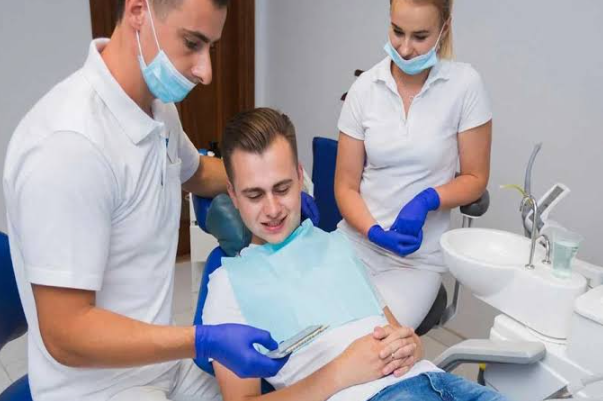
Education changes the tone of the appointment. Instead of hearing a list of problems, you hear what caused them, how serious they are, and what happens if you wait. That matters because people usually follow through when the advice makes sense in real life. If your dentist explains that bleeding gums are often an early sign of gum disease rather than just “brushing too hard,” you can connect the symptom to a real next step. The CDC oral health resources make the same point clearly. Oral health is tied to your overall health, not separate from it.
This is where dental patient education becomes more than a nice extra. It gives you language for what you are experiencing. It also takes away some of the shame. If dry mouth from medication is raising your cavity risk, or if grinding is wearing down your enamel, the issue is not laziness. It is a health pattern that can be managed.
General dentist visits build confidence when advice is specific
Vague advice does not help much. “Floss more” is easy to dismiss when you do not know whether you are missing one area or struggling with gum inflammation throughout your mouth. Specific guidance lands differently. A general dentist might show you where plaque collects, explain why a soft bristled toothbrush works better for your gums, or recommend fluoride toothpaste because your enamel is starting to weaken.
That kind of explanation gives you a reason to act. It also helps you avoid the cycle many people know too well. You skip a visit because you are nervous, a small issue grows, the treatment becomes more expensive, and then the next appointment feels even harder to face. Education interrupts that cycle early.
The National Institute of Dental and Craniofacial Research offers practical oral hygiene guidance that supports what many dentists teach in the office, including daily brushing, cleaning between teeth, and knowing when changes in your mouth need attention. When your home care and your dental visits line up, confidence tends to follow because you are not just reacting. You are participating.
Oral health education helps you make better financial decisions
Money is part of dental stress for many people. If you do not understand the difference between preventive care and delayed treatment, every recommendation can sound like an added bill. Education puts those costs into context.
A cleaning and exam are usually easier to manage than a crown or root canal that became necessary after months or years of postponing care. That does not mean every issue can be prevented, but many can be caught earlier. A dentist who explains risk, timing, and options gives you room to plan instead of panic.
If you have ever wondered whether a sensitive tooth can wait, whether bleeding gums are serious, or whether a small chip matters, that uncertainty can keep you frozen. Clear education turns “I guess I will deal with it later” into “I know what this is, and I know what comes next.” That is a different kind of confidence, and it often protects your budget too.
Home care and professional dental care work best together
| Approach | What It Helps With | Limits |
|---|---|---|
| Home brushing and flossing | Daily plaque control, fresher breath, support for gum health | Cannot remove hardened tartar or diagnose hidden problems |
| Online research and self diagnosis | Basic awareness of symptoms and hygiene habits | Often misses the cause, severity, and best treatment timing |
| General dentist exams and cleanings | Early detection, professional cleaning, tailored education, treatment planning | Works best when followed by steady home care |
The strongest results usually come from both sides working together. You handle the daily habits. Your dentist looks for what you cannot easily see and explains what your mouth needs now, not just what people in general are told to do. MedlinePlus also offers a helpful overview of dental health topics, including common conditions and preventive care, which can make office conversations easier to follow.
Small actions make dental education work in your real life
Ask for plain language. If a term sounds technical or vague, ask what it means in everyday words. Ask what the problem is, what caused it, and what happens if you wait six months. A good explanation should leave you calmer, not more confused.
Track one or two patterns at home. Notice bleeding when you floss, jaw soreness in the morning, cold sensitivity, dry mouth, or bad breath that keeps returning. These details help your dentist connect symptoms to causes. They also help you feel less blindsided during the visit because you are bringing useful information with you.
Focus on the next right step. You do not need a perfect routine overnight. If your dentist recommends brushing twice a day with fluoride toothpaste, cleaning between teeth daily, or coming in for a preventive visit, start there. Confidence grows faster when the plan feels doable.
Confidence grows when you understand your oral health
You do not need to know every dental term or have a flawless history to feel confident in the chair. You need clear information, honest guidance, and a chance to ask questions without feeling judged. That is how confidence through dental education becomes real. It turns oral health from something you avoid into something you can manage.
If you have been putting off care because you feel uncertain, start with a conversation and get the facts you need from a trusted dental professional.