

You notice it every time you talk, laugh, or catch your reflection. A front tooth that is cracked, worn down, deeply filled, or discolored can make you feel self conscious fast, which is why seeing a Wall Township dentist may be the right next step. The stress is not only about looks. You also want that tooth to hold up when you bite into food, speak clearly, and go through your day without worrying that something will chip or fail.
That is the real tension with dental crowns on visible teeth. You need a restoration that looks natural, but you do not want to trade strength for appearance. A crown on a front tooth has to do both. It has to blend in with your smile and stand up to daily use, which is why material choice, tooth color matching, and the skill of a family and cosmetic dentist matter so much.
Front Tooth Crowns Need Strength Without Looking Heavy
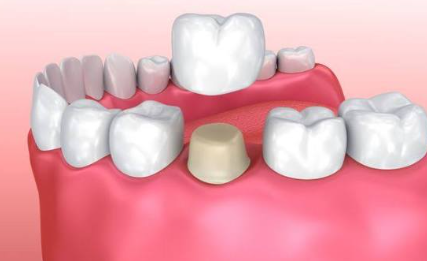
A crown is a custom cap that covers a damaged tooth to restore its shape, function, and appearance. The challenge with front teeth is different from the challenge with molars. Back teeth take more chewing force, but front teeth sit in plain view. They catch the light. They frame your smile. Even small differences in color, shape, or translucency can stand out.
You may already know this feeling. The tooth works, but it does not look right. Or it looks fine from a distance, yet you can see the edge in photos. Some people put off treatment because they fear getting a crown that looks too opaque or bulky. Others rush into treatment after a break or accident and only later realize they were never told about their material options.
The good news is that modern crowns can be both durable and natural looking. According to MedlinePlus information on dental crowns, crowns are used when a tooth is too damaged for a filling and may also improve the look of the tooth. That matters when the tooth sits front and center.
Material Choice Shapes the Look and Feel of Cosmetic Dental Crowns
The best crown for a visible tooth often depends on how much healthy tooth remains, your bite, whether you grind your teeth, and how closely the crown needs to match nearby teeth. Some materials reflect light in a way that resembles natural enamel. Others are prized for strength but may be better suited for areas with heavier biting pressure.
All ceramic and porcelain options are common for front teeth because they can mimic the depth and translucency of natural enamel. Zirconia can also be used, especially when more strength is needed, though the esthetic result depends on the type of zirconia and the design of the crown. The American Dental Association outlines several materials for indirect restorations, including ceramics, porcelain fused to metal, metal alloys, and resin based options, each with different strengths and tradeoffs.
This is where a lot of frustration begins. You may hear that one material is stronger, another looks better, and a third costs less. None of that helps if no one explains how those facts apply to your mouth. A person who clenches at night may need a different plan than someone replacing a crown on a tooth that barely touches when they bite. A single front crown also has to match the neighboring teeth, which can be harder than making several crowns at once.
Appearance Problems Often Come From Planning, Not the Crown Alone
People often blame the crown itself when the real issue is planning. Shade matching under poor lighting, ignoring the shape of the opposite tooth, or choosing a material without considering your bite can leave you with a crown that feels off. It may be too flat, too bright, too gray at the gumline, or slightly longer than the teeth beside it.
That is why front tooth crowns are not only about covering damage. They are about rebuilding harmony in your smile. A family and cosmetic dentist looks at color, contour, gum level, speech, and bite pressure together. If one part is missed, the result can look artificial even when the crown itself is made from a good material.
Comparing Common Crown Options for Visible Teeth
| Material | Appearance on Front Teeth | Strength | Common Tradeoff |
|---|---|---|---|
| All ceramic or porcelain | Very natural light reflection and translucency | Strong for many front tooth cases | May not be the first choice for heavy grinding without added protection |
| Zirconia | Can look very good, especially newer esthetic versions | High strength | Some versions can look less lifelike than layered porcelain |
| Porcelain fused to metal | Can look good, though metal may affect translucency | Reliable strength | Possible dark line near the gum over time in some cases |
| Resin based crown | Acceptable in select cases | Less durable long term | May wear or stain more easily |
For many people seeking crowns for visible teeth, all ceramic or esthetic zirconia options rise to the top because they balance appearance and function well. The right answer still depends on your bite and your goals, not just the label on the material.
Three Steps Help You Make a Better Crown Decision
Ask what your bite demands. A crown that looks beautiful but sits in a high pressure bite can fail sooner. If you clench, grind, or have edge to edge contact with your front teeth, say so. That changes the treatment plan.
Request a shade and shape discussion before the final crown. Do not settle for a quick color pick if the tooth is highly visible. Ask how the dentist will match translucency, surface texture, and the shape of the neighboring tooth. Small details make the crown disappear into your smile.
Talk through long term maintenance. Ask how to protect the crown, what foods or habits may stress it, and whether a night guard makes sense. Even the best dental crown works better when it is protected from grinding and repeated trauma.
A Natural Looking Dental Crown Should Feel Secure and Look Like You
You do not have to choose between a strong tooth and a natural smile. A well planned crown can give you both. The key is choosing a dentist who treats the visible tooth as more than a repair. It is part of your face, your speech, and your confidence.
If you are weighing options for a damaged front tooth, ask for a clear conversation about material choice, bite forces, and esthetic design. The right family and cosmetic dentist should make the process feel understandable, not rushed, and help you move forward with a crown that looks right and lasts.


 What To Know About Dental Care For Newly Combined Households