

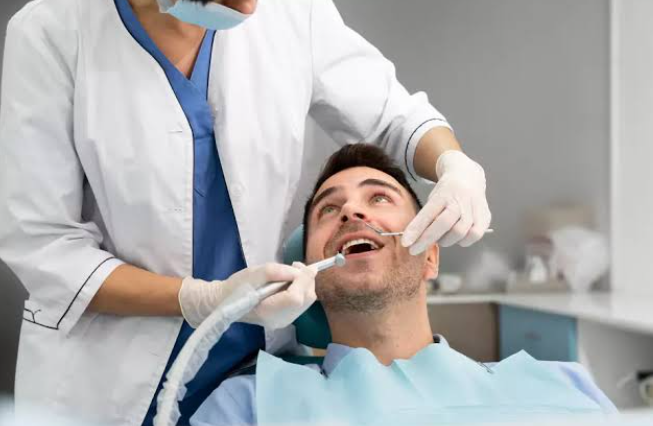
You can feel fine and still have a problem growing quietly in your mouth. That is what makes routine dental visits easy to put off. If nothing hurts, it is tempting to wait, but seeing a NE Philadelphia dentist can help catch problems early. A lot of people do. Then a small issue turns into a cracked tooth, gum damage, an infection, or a sore that should have been checked months earlier.
How general dentistry protects patients with early screenings comes down to one simple truth. Catching problems early gives you more options, lower costs, and less stress. A general dentist does far more than clean teeth. These visits can reveal tooth decay, gum disease, bite problems, signs of oral cancer, and other changes that are easy to miss at home.
That matters because your mouth does not always send a clear warning right away. Bleeding gums may seem minor. A rough patch on the tongue may not hurt. A cavity can stay silent until it reaches the nerve. Early screenings help find those issues before they become harder and more expensive to treat.
Early dental screenings reduce damage before symptoms take over
Most dental problems do not begin with a dramatic moment. They start small. Plaque builds up at the gumline. Enamel weakens in one spot. A filling starts to fail. You keep brushing, chewing, working, and living your life, unaware that something is changing.
A routine dental exam gives your dentist a chance to spot those changes early. During an exam, they look for cavities, gum inflammation, loose restorations, bite issues, and signs of infection. They also check areas you cannot fully see on your own, especially between teeth and below the gums.
That early look protects more than your comfort. It protects your budget. A tiny cavity may need a simple filling. Wait too long and the same tooth may need a root canal or crown. Mild gum irritation may improve with a cleaning and better home care. Untreated gum disease can lead to bone loss, tooth mobility, and long term treatment.
This is where preventive dental care makes a real difference. It is not about doing more for the sake of doing more. It is about finding the right issue at the right time, when treatment is still manageable.
General dentists screen for problems that patients often miss
You see your teeth every day, but daily contact can make gradual changes hard to notice. A general dentist is trained to spot patterns, color changes, swelling, recession, wear, and lesions that do not stand out to most people.
One major example is oral cancer screening. During a visit, a dentist may examine the lips, tongue, cheeks, floor of the mouth, palate, and throat area for unusual tissue changes. The National Cancer Institute explains that oral cancer screening aims to identify suspicious areas that may need closer evaluation. That does not mean every sore is cancer. It means some changes should never be ignored.
Gum disease is another condition that often advances quietly. According to the CDC, gum or periodontal disease can begin with red, swollen, or bleeding gums and may progress to damage that affects the bone supporting the teeth. Many adults dismiss those early signs because the symptoms seem mild. Dentists do not. They measure gum pockets, assess inflammation, and look for recession and bone loss patterns that tell a fuller story.
Early detection in dentistry also matters for people who grind their teeth, clench their jaw, or have restorations that are starting to wear out. You may think you just wake up with headaches or sensitivity. Your dentist may see cracked enamel, flattened biting surfaces, or stress on older dental work.
Routine screenings lower treatment costs and protect long term health
When people delay care, the issue is often not denial. It is life. Work gets busy. Kids need rides. Insurance is confusing. Dental anxiety is real. The problem is that delay usually makes the next step bigger.
If a dentist finds decay early, treatment is often shorter and less invasive. If they catch gingivitis before it becomes advanced periodontal disease, you may avoid deeper cleanings and more complex follow up. If they notice an unusual lesion early, you can move quickly toward diagnosis and care.
The pattern is consistent. Small problems are easier to monitor, easier to treat, and easier to afford than advanced ones. That is one of the clearest ways a general dentist helps protect patients.
Early screenings compared with delayed dental care
| Situation | Early Screening | Delayed Care |
|---|---|---|
| Small cavity | Often treated with a filling | May progress to pain, infection, root canal, or crown |
| Bleeding gums | May improve with cleaning and home care changes | Can develop into periodontal disease with bone loss |
| Oral tissue changes | Suspicious areas can be evaluated sooner | Diagnosis may come after the problem has advanced |
| Worn fillings or crowns | Repairs may be smaller and simpler | Tooth structure may fracture or decay may spread underneath |
| Jaw clenching or grinding | Signs can be managed before major damage develops | Cracks, pain, and heavy wear may become harder to treat |
Simple steps help you get the most from preventive dental visits
1. Schedule routine exams before something hurts. Pain is often a late sign. Regular checkups give your dentist a better chance to catch early decay, gum changes, and tissue abnormalities before they become disruptive.
2. Pay attention to small changes at home. Bleeding when you brush, ongoing bad breath, a sore that does not heal, new sensitivity, or a rough patch inside the mouth all deserve attention. These signs do not always mean something serious, but they should not be brushed aside.
3. Be honest about your habits and symptoms. Tell your dentist if you smoke, grind your teeth, skip flossing, have dry mouth, or have not had a cleaning in years. Tell them if you avoid one side when chewing or if cold drinks suddenly bother you. Small details help them find patterns early.
General dentistry protects your health by finding problems when they are still manageable
You do not need to wait for a dental emergency to take your mouth seriously. Screenings are one of the quiet ways dentistry protects you. They catch what you cannot always see, reduce the chance of bigger treatment later, and give you a clearer picture of your health before a problem takes over.
If you have been putting off a visit, now is a good time to schedule one. A simple exam can answer questions, ease uncertainty, and help you move forward with confidence.

 Planned Equipment Maintenance Belongs In A Cash Forecast Before A Bill Arrives