The Importance of Controlled Humidity in Industrial Environments
Industrial facilities depend on stable environmental conditions to maintain efficiency, protect infrastructure, and support consistent production standards. Among the various environmental factors, humidity plays a critical role in influencing equipment reliability and material integrity. Excess moisture in the air can cause corrosion, structural damage, reduced equipment lifespan, and process instability. Without proper humidity regulation, even advanced systems may face performance challenges.
Humidity control is not simply about comfort or air quality. In industrial settings, it directly affects operational continuity and product consistency. Maintaining precise moisture levels ensures that machinery operates within design specifications and materials retain their intended properties. This is why investing in a reliable humidity control solution is considered a strategic operational decision.
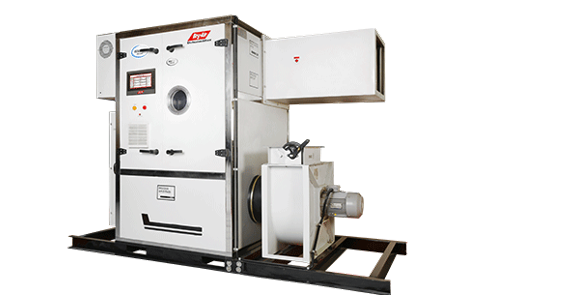
During the initial phase of planning a moisture control strategy, facilities often evaluate advanced solutions such as a high capacity dehumidifier machine. These systems are designed to extract moisture efficiently from the air while maintaining consistent humidity levels across large industrial spaces. Built for continuous performance, such machines operate effectively under varying temperature and atmospheric conditions. Their engineered design allows them to handle substantial air volumes and maintain stable environmental conditions without frequent intervention.
How Excess Moisture Impacts Industrial Operations
Uncontrolled humidity can compromise both mechanical systems and structural components. Moisture accumulation on metal surfaces accelerates oxidation and weakens materials over time. Electrical equipment is particularly vulnerable, as high humidity increases the risk of insulation failure and operational malfunction. Over extended periods, elevated moisture levels can result in higher maintenance requirements and increased operational costs.
Beyond equipment concerns, fluctuating humidity may also affect production processes. Materials sensitive to moisture can experience dimensional changes, altered properties, or reduced durability when exposed to inconsistent atmospheric conditions. Maintaining a stable humidity range reduces variability and enhances operational predictability.
Core Objectives of Industrial Moisture Management
Industrial moisture control systems are implemented to achieve several important objectives:
• Maintain consistent relative humidity within specified limits
• Protect machinery and infrastructure from moisture related damage
• Support stable production conditions and minimize operational variability
By focusing on these goals, facilities can strengthen operational resilience and reduce long term risk.
Types of Dehumidification Technologies Used in Industry
Selecting the appropriate humidity control technology depends on environmental conditions, space dimensions, and required humidity levels. Industrial dehumidification systems generally fall into two primary categories: refrigeration based systems and desiccant based systems. Each technology offers specific advantages depending on the application.
Refrigeration systems remove moisture by cooling air below its dew point, causing condensation that is then collected and drained. These systems are effective in moderate temperature environments where humidity levels are not extremely low. However, in low temperature settings or where very low humidity levels are required, refrigeration systems may not perform efficiently.
Desiccant systems use moisture absorbing materials to remove water vapor directly from the air. This technology is particularly effective in environments requiring low humidity levels regardless of ambient temperature. Desiccant based solutions are often preferred in specialized industrial applications that demand precision.
Advantages of Desiccant Based Systems
Desiccant dehumidification systems are designed to provide reliable and consistent performance in demanding conditions. These systems use advanced rotor mechanisms that continuously absorb moisture from incoming air while regenerating the desiccant material to sustain performance. This cycle enables uninterrupted operation and precise humidity control.
For facilities requiring high capacity solutions, a robust dehumidifier for industrial use offers the performance necessary to manage significant moisture loads. These systems are engineered to operate continuously and integrate seamlessly with existing ventilation and control systems. Their design emphasizes durability, energy efficiency, and consistent output, making them suitable for complex industrial environments.
See also: Credit Risk Monitoring: Key Strategies to Protect Your Business
Key Features to Evaluate in Industrial Systems
When selecting an industrial dehumidification system, several factors should be carefully assessed to ensure long term efficiency and reliability:
• Capacity to handle total air volume and moisture load
• Energy efficiency during extended operation
• Compatibility with centralized monitoring and control systems
In addition to these considerations, construction quality and corrosion resistant materials are essential for maintaining system longevity. Advanced control panels allow operators to monitor humidity levels in real time and make precise adjustments when necessary. Systems that support scalable configurations offer flexibility for facilities planning expansion or process modifications.
Operational Benefits of Precision Humidity Control
Implementing an effective dehumidification strategy provides measurable operational benefits. Reduced humidity levels protect sensitive equipment and extend machinery lifespan. Controlled environmental conditions improve consistency in production processes and reduce the likelihood of moisture related disruptions. When humidity remains stable, operational efficiency improves and unplanned downtime becomes less frequent.
Energy optimization is another significant advantage. Maintaining balanced humidity reduces strain on heating and cooling systems, allowing them to operate more efficiently. This integrated environmental management approach contributes to lower energy consumption and improved sustainability performance.
Supporting Quality Standards and Compliance Requirements
In many industrial sectors, environmental control is closely linked to quality assurance and regulatory compliance. Maintaining specified humidity levels ensures that production conditions align with established guidelines. Dehumidification systems designed for industrial applications provide accurate control and monitoring features that support compliance objectives.
Reliable humidity management strengthens documentation processes by enabling continuous monitoring and data recording. This capability assists in internal audits and ensures that environmental conditions remain within acceptable limits. A well implemented humidity control system enhances overall operational credibility and stability.
Integration and Long Term Strategic Planning
Effective moisture control extends beyond selecting the right equipment. Long term planning involves integrating dehumidification systems into the broader facility infrastructure. Coordination with ventilation systems and building management platforms ensures seamless operation and centralized oversight. This integrated approach enhances performance monitoring and simplifies maintenance planning.
Choosing a reputable manufacturer is equally important. A trusted provider offers not only advanced technology but also technical expertise and comprehensive support. Professional guidance during system selection and installation contributes to optimized performance and long term reliability.
Conclusion
Industrial humidity control is a fundamental component of efficient and stable operations. Excess moisture can compromise equipment, reduce process reliability, and increase maintenance demands. By selecting the appropriate technology and implementing a structured moisture management strategy, facilities can achieve consistent environmental control and improved operational performance.
High capacity desiccant based systems provide precision and reliability in demanding industrial conditions. Their ability to maintain low humidity levels regardless of temperature makes them suitable for a wide range of applications. Partnering with an experienced manufacturer such as Bry-Air ensures access to innovative dehumidification solutions designed for durability and efficiency. Investing in advanced moisture control technology supports long term operational resilience, energy optimization, and sustained industrial productivity.