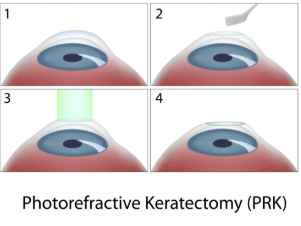
Photorefractive Keratectomy (PRK) is a well-established laser eye surgery used to correct common vision problems such as nearsightedness, farsightedness, and astigmatism. Although newer procedures like LASIK often get more attention, PRK remains a highly effective option, especially for patients with thin corneas or certain lifestyle needs. Understanding the cost and recovery time of PRK eye surgery is essential for anyone considering this vision correction procedure.
What Is PRK Eye Surgery?
PRK is a type of refractive eye surgery that reshapes the cornea using a laser to improve how light enters the eye. Unlike LASIK, PRK does not involve creating a corneal flap. Instead, the outer layer of the cornea is gently removed, allowing the laser to reshape the underlying tissue. This surface-based approach makes PRK suitable for patients who may not qualify for flap-based procedures.
Cost of PRK Eye Surgery
The cost of PRK eye surgery can vary widely depending on several factors. On average, PRK typically costs slightly less than LASIK, but prices can still range significantly based on location, surgeon experience, technology used, and the level of care provided.
Most PRK procedures are priced per eye, and the total cost generally includes pre-operative evaluations, the surgery itself, and post-operative follow-up visits. Advanced laser technology, customized treatment plans, and clinics with strong reputations may charge higher fees, reflecting the quality of equipment and expertise involved.
Geographic location also plays a major role. Clinics in metropolitan or high-demand areas often charge more than those in smaller cities. While cost is an important consideration, patients should be cautious about choosing PRK surgery based solely on price. Experience, safety standards, and long-term outcomes are equally critical when making a decision.
It’s also worth noting that PRK is typically considered an elective procedure and is not usually covered by insurance. However, many clinics offer financing plans, installment options, or flexible payment programs to make the procedure more affordable.
Factors That Influence PRK Costs
Several factors can influence the final cost of PRK eye surgery. These include the severity of the vision correction required, whether both eyes are treated at the same time, and the type of laser technology used. Some clinics offer all-inclusive pricing, while others may charge separately for medications, enhancement procedures, or extended follow-up care.
Surgeon expertise is another key factor. Highly experienced surgeons may charge more, but their skills can reduce the risk of complications and improve long-term results. Choosing a qualified and reputable surgeon is an investment in both safety and visual quality.
Recovery Time After PRK Surgery
Recovery time is one of the most important considerations when choosing PRK eye surgery. Unlike LASIK, PRK has a longer and more gradual healing process. Since the outer layer of the cornea must regenerate, patients should expect a slower visual recovery.
In the first few days after surgery, discomfort is common. Patients may experience light sensitivity, blurred vision, tearing, and a gritty sensation in the eyes. These symptoms typically improve within three to five days as the corneal surface heals.
Functional vision usually begins to return within one to two weeks, but clarity may fluctuate during this period. It can take several weeks to a few months for vision to fully stabilize. During this time, gradual improvements in sharpness and contrast are normal.
Post-Surgery Care and Healing
Proper post-operative care plays a crucial role in PRK recovery. Patients are usually prescribed medicated eye drops to prevent infection, reduce inflammation, and promote healing. Protective contact lenses may be placed temporarily to support corneal regeneration and reduce discomfort.
Activities such as swimming, strenuous exercise, and prolonged screen use should be limited during the early stages of recovery. Following the surgeon’s instructions closely helps minimize complications and ensures optimal results.
Most patients can return to work within a week, depending on their comfort level and job requirements. However, individuals with physically demanding or outdoor occupations may need additional recovery time.
Long-Term Results and Expectations
While PRK requires more patience during recovery, the long-term results are comparable to LASIK. Once healing is complete, many patients achieve excellent visual clarity without the need for glasses or contact lenses. PRK also offers a lower risk of flap-related complications, making it a preferred option for athletes and individuals with active lifestyles.
Conclusion
PRK eye surgery is a proven and effective vision correction procedure with lasting benefits. Although the recovery time is longer than some alternatives, the outcomes are highly reliable when proper care is taken. Understanding the cost factors and healing timeline helps patients make informed decisions and set realistic expectations. With the right surgeon and commitment to recovery, PRK can be a life-changing investment in long-term vision health.