

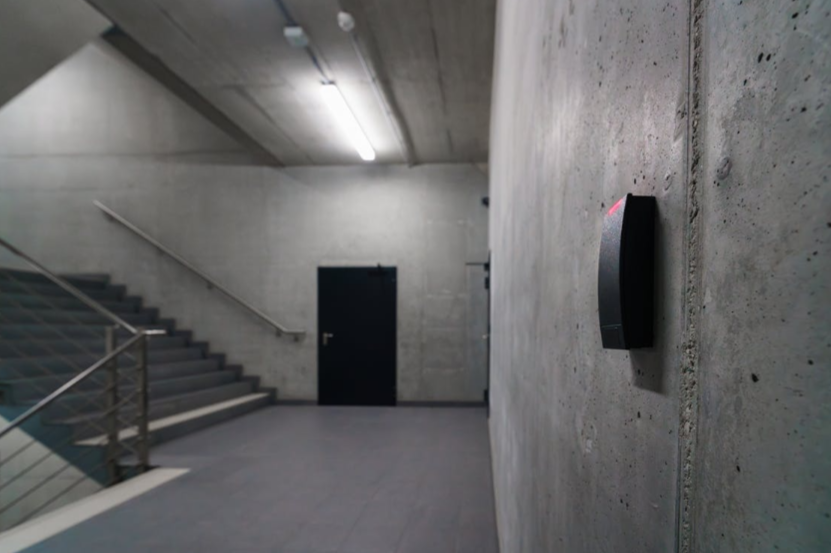
Qatar’s mixed-use developments have grown more complex than the access control systems built to manage them ten years ago. A single Lusail or West Bay development can now combine retail floors, residential towers, serviced offices, and multi-level parking under one operator, each with a different population of users who need different levels of access at different times of day. A smart card access control system in Qatar is the credential layer that makes this manageable, working alongside any time attendance system already in place, giving operators one card format that can be configured differently for a retail tenant, a resident, a delivery driver, and a building engineer without forcing any of them onto separate hardware.
Why Mixed-Use Developments Outgrow Single-Purpose Access Control
A development built around one function, a standalone office tower, or a single residential block can usually get by with a simple access list. Mixed-use developments cannot. The same building might need to grant a retail employee access to a loading bay between 5 am and 10 pm, a resident access to their floor and the gym at any hour, and a contractor access to plant rooms for a single afternoon. Door access control systems for business that were specified for one tenant type quickly become unworkable once a second or third use case is added on top. Qatar developers increasingly specify the credential platform before the building’s other systems are finalised, because retrofitting access control into a live mixed-use site disrupts every tenant at once.
Card Lifecycle Management Across Thousands of Users
The defining operational challenge in a mixed-use development is not granting access; it is managing the lifecycle of every credential issued. A development with retail, residential, and office components can have several thousand active cards in circulation, with new cards issued and old ones revoked daily as leases turn over and short-term retail tenancies begin and end. A building access control systems platform built for this scale handles issuance, suspension, and revocation centrally, so a departing tenant’s access is removed everywhere at once rather than tracked door by door. Industry reporting on smart building access control trends notes that cloud-based platforms have become the default for this reason, letting administrators update permissions and security policies remotely in real time across multiple buildings and zones.
Role-Based Permissions for Every User Type
A single credential format only works if the permissions behind it are genuinely role-based rather than a flat list of doors each card can open, the same principle that governs a well-designed employee time attendance system. Retail staff need access to their unit and shared service corridors during trading hours. Residents need 24-hour access to their floor, the lobby, and amenity areas. Office tenants need access scoped to their leased floors, often shared across multiple companies on the same level. A door access control system configured around roles rather than individual doors lets an operator define these permission sets once and apply them to every new card of that type, instead of manually configuring access for each new resident or retail hire as they arrive.

Visitor Management Integration
Mixed-use developments generate far more visitor traffic than single-purpose buildings, delivery drivers, contractors, retail customers heading to upper-floor offices, and guests visiting residents. Integrating visitor management with the core access control system means temporary credentials can be issued at a front desk or kiosk, scoped to a specific floor and time window, and set to expire automatically without requiring staff to track down and collect a card afterward, a workflow that mirrors how a key management solution governs physical asset handovers. This integration is what separates a development that can absorb high visitor volumes from one where front-of-house staff spend their day manually escorting people between zones.
Parking and Vehicle Access as Part of the Same Credential
Parking is often the most overlooked component of mixed-use access control, despite being one of the highest-traffic zones in the building. When parking access runs on the same smart card platform as the rest of the development, a resident’s card opens their reserved level, a retail employee’s card opens staff parking only, and a visitor’s temporary credential can include time-limited garage access tied to their appointment. Treating parking as a separate system creates a second credential to carry and a second database to reconcile against the main access platform.
Why Developers Partner With Adax BS for Smart Card Access Control
The most successful mixed-use developments in Qatar treat access control as a long-term infrastructure decision rather than a post-handover addition. Establishing a unified credential strategy early helps avoid the operational challenges and maintenance costs associated with multiple disconnected systems.
Adax Business Security Systems works with developers, property managers, and project teams to design and implement a smart card access control system in Qatar that supports tenants, visitors, parking facilities, shared amenities, and future expansion requirements from a single platform. The team assists throughout the project lifecycle, from planning and system design to implementation and commissioning.
A properly designed credential architecture improves operational efficiency, strengthens security, and simplifies long-term management. Organisations planning a smart card access control system in Qatar can reach out to Adax BS to establish a scalable platform that continues to support the development as occupancy and operational demands grow.


 The Role of Local and Global Charities in Modern Society