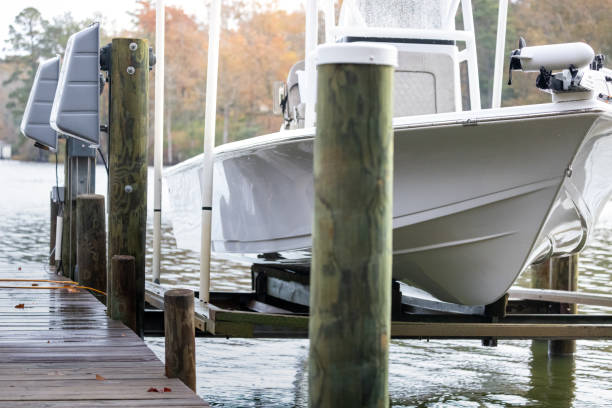
Owning waterfront property in Florida offers unmatched access to boating, fishing, and coastal living. For many homeowners in areas like West Palm Beach, a boat lift is an essential part of protecting their vessel from constant water exposure. However, installing a lift is only the first step. Ongoing care and inspections are necessary to ensure it operates safely and efficiently.
Proper boat lift maintenance is important in Florida’s harsh marine environment. Saltwater, humidity, storms, and daily use can wear down cables, motors, and structural components over time. Without regular servicing, small issues can quickly become expensive repairs or safety hazards.
Why Boat Lift Maintenance Is So Important in Florida
Florida’s coastal conditions are beautiful but demanding. Saltwater corrosion is one of the biggest threats to marine equipment. Even high quality stainless steel components can deteriorate if not inspected and cleaned regularly.
Humidity and heat also contribute to electrical wear and motor strain. Combine that with heavy boat usage and seasonal storms, and it becomes clear why maintenance is not optional.
A neglected lift can fail unexpectedly. This can damage your boat, dock, or seawall and potentially create dangerous situations during operation.
Routine inspections protect both your investment and your safety.
How Florida’s Climate Affects Boat Lifts
Boat lifts in Florida experience more environmental stress than those in freshwater regions. Salt accelerates corrosion, especially on metal cables, bolts, and brackets.
Frequent rain and tidal changes introduce additional moisture into mechanical parts. Over time, this leads to rust buildup, weakened connections, and reduced lifting capacity.
Storm season adds another layer of risk. Strong winds and wave action can place extra pressure on lift structures. If the system is not properly maintained, structural stress can result in bending or cable failure.
Understanding these environmental challenges helps waterfront owners appreciate the value of preventative care.
Key Components That Require Regular Inspection
A boat lift consists of several mechanical and structural parts that must work together smoothly. Each component plays a role in safe operation.
Critical Parts to Monitor
- Cables and pulleys for fraying or corrosion
- Motors and gearboxes for smooth operation
- Electrical wiring and switches for moisture damage
- Bunks and cradles for alignment and wear
- Bolts and fasteners for tightness and rust
Routine checks ensure that minor wear does not escalate into system failure.
Recommended Boat Lift Maintenance Schedule
The frequency of maintenance depends on usage and environmental exposure. In saltwater locations like West Palm Beach, more frequent inspections are advisable.
Most professionals recommend a visual inspection at least once a month and a more detailed service check every six months. After major storms, an additional inspection is highly recommended.
Annual professional servicing provides deeper evaluation of cables, motor systems, and structural supports.
Regular scheduling prevents unexpected breakdowns and prolongs equipment life.
Signs Your Boat Lift Needs Immediate Attention
Ignoring early warning signs can lead to serious damage. Recognizing problems early helps avoid costly repairs.
Warning Signs to Watch For
- Unusual noises during lifting or lowering
- Slower than normal motor operation
- Visible cable fraying or rust
- Uneven boat positioning on the cradle
- Electrical interruptions or switch malfunction
If you notice any of these issues, it is important to schedule service promptly. Continuing to operate a compromised lift increases the risk of failure.
The Role of Professional Inspections
While basic visual checks can be performed by property owners, professional inspections provide a more thorough evaluation. Marine contractors understand the specific challenges of Florida waterfront environments.
They assess cable tension, structural alignment, motor performance, and electrical integrity. Professionals also ensure compliance with local safety standards and marine regulations.
Expert servicing reduces liability and ensures your lift operates at full capacity.
Preventing Corrosion and Extending Equipment Life
Corrosion control is one of the most important aspects of maintenance in saltwater areas. Simple preventative steps can significantly extend the life of your lift.
Regular rinsing with fresh water helps remove salt buildup. Applying marine grade lubricants protects moving parts. Inspecting and replacing sacrificial anodes also helps prevent corrosion on metal components.
Simple Preventative Measures
- Rinse lift components after heavy salt exposure
- Lubricate pulleys and moving parts
- Replace worn cables promptly
- Check protective coatings annually
These proactive measures protect both structural integrity and performance.
Preparing Your Boat Lift for Hurricane Season
Hurricane season in Florida presents serious risks to waterfront infrastructure. High winds and storm surge place intense pressure on docks and lifts.
Before storm season begins, inspect all structural connections and ensure bolts are secure. Check cable strength and confirm that the lift operates smoothly. If possible, raise the boat to a safe position according to manufacturer guidelines.
After a storm passes, conduct a full inspection before using the lift again. Look for shifted supports, bent metal, or electrical damage.
Preparation and post storm inspections reduce long term damage and ensure safe operation.
The Financial Benefits of Routine Maintenance
Some waterfront owners delay servicing to save money. However, neglecting maintenance often leads to higher repair costs later.
Replacing a motor or major cable assembly can be expensive. In severe cases, structural failure may require full lift replacement.
Routine maintenance spreads costs over time and helps avoid emergency repairs. It also protects your boat from damage caused by lift malfunction.
Investing in preventative care preserves both your vessel and your waterfront infrastructure.
Choosing the Right Maintenance Partner
Selecting an experienced marine contractor is essential for effective service. Look for companies familiar with Florida’s saltwater conditions and local regulations.
Qualified professionals provide detailed inspections, transparent recommendations, and quality replacement parts designed for coastal environments.
Working with knowledgeable experts ensures your lift remains reliable throughout the year.
Final Thoughts
Boat lifts are vital for protecting vessels from constant water exposure in Florida’s coastal regions. However, the marine environment is unforgiving. Saltwater, humidity, and storms place continuous strain on mechanical and structural components.
The Complete Guide to Boat Lift Maintenance for Florida Waterfront Owners highlights the importance of routine inspections, corrosion prevention, and professional servicing. By staying proactive, you extend the life of your lift, protect your investment, and maintain safe boating access.
Consistent maintenance is not just about equipment care. It is about preserving your waterfront lifestyle and ensuring your boat is ready whenever you are.