

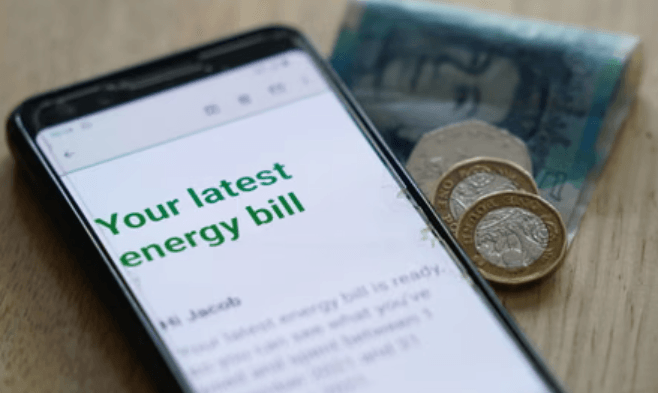
Electricity is one of the few overheads most businesses pay without regularly questioning whether the rate they are on is still competitive. Unlike staffing costs or rent, which tend to invite scrutiny at renewal, electricity contracts often renew quietly and automatically, sometimes onto terms that are considerably worse than what the market currently offers.
For UK businesses, taking an active role in managing electricity costs is increasingly important. Energy prices have been volatile in recent years, and the gap between businesses paying market-competitive rates and those sitting on default or out-of-contract tariffs has widened considerably. Businesses that compare their options through a dedicated business electricity service consistently find that better rates are available, often without needing to make any changes to how they operate.
The Scale of the Problem
Research consistently shows that a significant proportion of UK businesses have never switched electricity supplier. This is partly due to unfamiliarity with the process and partly because energy procurement falls below the threshold of urgency in the day-to-day running of a business. The result is that many companies are overpaying, sometimes substantially, on one of their most routine operating costs.
Small businesses are often hit hardest. Larger organisations typically have procurement teams or specialist brokers managing energy contracts. Smaller operators generally do not, and the complexity of navigating supplier options can feel prohibitive even if the actual process is far more accessible than it appears.
Fixed vs. Flexible Contracts: What Works for Most Businesses
Business electricity is available under a range of contract structures. Fixed-rate contracts lock in a unit price and standing charge for a set period, usually one to four years. The rate does not change with market movements during that period, which makes budgeting straightforward and removes exposure to sudden price increases.
Flexible contracts allow businesses to buy electricity at intervals throughout the year, taking advantage of dips in the wholesale price. This approach can produce better outcomes when managed well, but it requires access to market data and the time to act on it. For most small and medium-sized businesses, a fixed contract is the more practical option.
Reading Your Current Bill and Knowing What to Ask
Understanding what you are currently paying is the starting point for any review. A business electricity bill will include a unit rate in pence per kWh and a standing charge, which is a fixed daily cost regardless of consumption. Both elements contribute to the total and both can vary between suppliers and contract types.
Annual consumption in kWh is the key figure needed to run a meaningful comparison. This is shown on bills and is also available from the supplier directly. Knowing your MPAN and your contract renewal date will complete the information set needed to compare the market accurately.
Using a Comparison Service
A business electricity comparison platform simplifies the process of identifying better rates. Rather than approaching suppliers individually, a comparison service runs quotes across multiple providers simultaneously. Many platforms also handle the switch on the business’s behalf, managing the paperwork and supplier communication so the account holder does not need to coordinate the transfer directly. The switch itself does not interrupt supply and can be timed to start from the end of the existing contract.
See also: How to Scale Your Business Effectively
Frequently Asked Questions
Q: What is an out-of-contract rate and why should I avoid it? A: An out-of-contract rate is applied when a business electricity contract expires and no renewal has been agreed. Suppliers set these rates without competitive pressure, so they are typically much higher than a negotiated tariff. Any business on this type of rate should prioritise switching as quickly as possible.
Q: How often should a business review its electricity tariff? A: At minimum, a review should take place ahead of each renewal. If business energy consumption changes substantially, an interim review can also be worthwhile to assess whether early exit and switching makes financial sense.
Q: Can a business switch if it has multiple meters? A: Yes. Multi-site or multi-meter comparisons are possible and can sometimes unlock better rates based on aggregated consumption.
Q: Is there a risk of supply disruption when switching? A: No. The physical electricity network remains unchanged. Switching only changes the commercial relationship with a supplier, and the transfer is seamless with no interruption to service.
Q: How far in advance of renewal should I start comparing? A: Starting three to four months ahead of the renewal date is ideal. This gives enough time to gather quotes, review options, complete paperwork, and ensure the new contract starts on time.



 12 Places I’d Actually Buy Sermorelin From in 2026 (And 3 I’d Skip Entirely)