

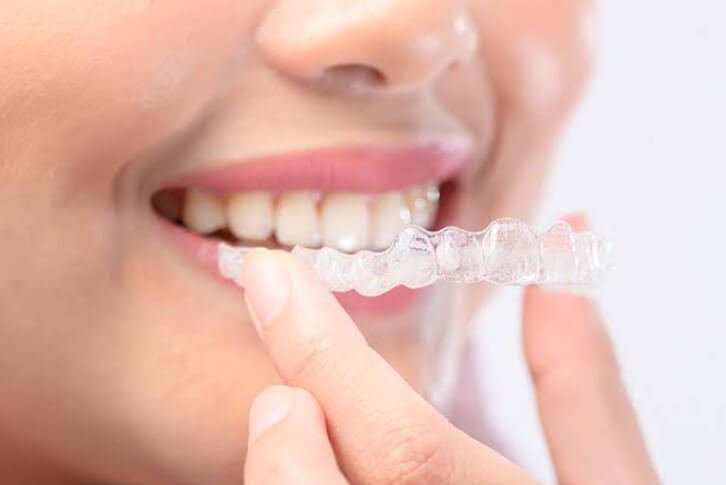
You see your smile every day, which means you also see the small things that bother you. A stain that will not lift. A chipped front tooth that catches your eye in photos. A gap that makes you press your lips together when you laugh. That discomfort is real, even if the issue seems minor to someone else. If you are looking for a dentist in Westchase, Tampa, FL, addressing those concerns can help you feel more confident.
Cosmetic dentistry can feel confusing because the names sound technical and the choices blur together fast. One treatment brightens teeth, another reshapes them, another covers damage, and another replaces what is missing. The short version is simple. Most people asking about a cosmetic dentist are really choosing between whitening, bonding, veneers, and crowns, with each option solving a different kind of problem.
Teeth whitening treats surface stains and dull color
Whitening is often the first thing people consider because it is the least invasive way to change a smile. It works best on common discoloration from coffee, tea, red wine, tobacco, and age related yellowing. If your teeth are healthy and you mostly dislike the color, whitening may be enough.
The frustration starts when over the counter products promise a dramatic change and then barely move the shade. Some people also end up with tooth sensitivity or uneven results, especially if they have old fillings or crowns that will not lighten with the natural teeth. The American Dental Association explains the basics of teeth whitening options and safety, and that is worth reviewing before you spend money on random kits.
Professional whitening usually gives faster, more even results because the strength, fit, and supervision are better. It does not fix chips, cracks, or misshapen teeth, so it helps to be clear about what is bothering you. If the issue is color alone, whitening is often the cleanest answer.
Dental bonding fixes small chips, gaps, and uneven edges
Bonding uses a tooth colored resin to reshape part of a tooth. It is commonly used for a chipped corner, a small gap, worn edges, or a tooth that looks slightly too short or narrow. If you want a visible improvement without removing much tooth structure, bonding often makes sense.
This is where many people feel torn. They want a nicer smile, but they do not want a major procedure or a major bill. Bonding usually lands in that middle ground. It is more affordable than veneers in many cases, and it can often be completed in one visit.
The tradeoff is durability. Bonding can stain over time and may chip if you bite ice, chew pens, or grind your teeth. It is a good option for modest changes, especially when the tooth is otherwise healthy. For larger cosmetic changes, other treatments may hold up better.
Porcelain veneers create a more uniform smile
Veneers are thin shells, often made of porcelain, that cover the front of the teeth. They are used when you want to change several things at once, such as color, shape, spacing, and minor alignment issues. If you have one concern in every photo and another concern in the mirror, veneers can bring those problems under one plan.
People usually start looking at veneers after they get tired of piecing together small fixes. Whitening helped, but not enough. Bonding looked good, but did not last the way they hoped. A tooth is still slightly twisted, another still looks worn, and the whole smile feels uneven. Veneers can create a more balanced look because they are designed together, not one tooth at a time.
Material matters here. The National Institute of Dental and Craniofacial Research provides a useful overview of dental materials used in restorations, including the strengths and limits of common options. Veneers are an aesthetic treatment, but they still depend on real material performance, not just appearance.
Dental crowns restore teeth that need strength as well as beauty
Crowns cover the entire visible part of a tooth. They are often the better choice when a tooth is not just unattractive, but also weak, heavily filled, cracked, or badly worn. A veneer covers the front. A crown protects the whole tooth.
This matters when people try to force a cosmetic answer onto a structural problem. If a tooth has a large old filling, has broken before, or hurts when you bite, the goal is not only to improve the look. The tooth needs support. The ADA explains materials for indirect restorations, including crowns, which helps clarify why your dentist may recommend one over a veneer.
A crown is usually more involved than whitening or bonding, but it can solve two problems at once. You get a tooth that looks better and functions better. When a smile concern overlaps with damage, that combination matters.
Common cosmetic dental treatments differ in cost, speed, and longevity
| Treatment | Best For | Time Needed | Durability | Main Limitation |
|---|---|---|---|---|
| Teeth Whitening | Yellowing and surface stains | One visit or take home trays | Months to a few years, depending on habits | Does not change shape or repair damage |
| Dental Bonding | Small chips, minor gaps, uneven edges | Often one visit | Good, but can stain or chip | Less durable than porcelain |
| Porcelain Veneers | Color, shape, spacing, smile uniformity | Usually two or more visits | Long lasting with good care | Higher cost and more planning |
| Dental Crowns | Damaged or weak teeth that also need cosmetic improvement | Usually two or more visits | Long lasting with good care | More tooth coverage than bonding or veneers |
If you are comparing common cosmetic dental procedures, think in layers. Color problems point toward whitening. Small shape issues often point toward bonding. Multiple front tooth concerns often point toward veneers. A damaged tooth that also looks bad often points toward a crown. That is the simplest way to sort the options without getting buried in jargon.
Simple steps help you choose the right smile treatment
1. Pinpoint what bothers you most. Write it down in plain language. Too yellow. One chipped tooth. Gaps. Uneven front teeth. A tooth that looks dark after old dental work. That list keeps the conversation focused on your real goal, not just treatment names.
2. Separate cosmetic concerns from health concerns. If a tooth is painful, cracked, loose, or heavily filled, tell the dentist first. A treatment that looks great but ignores weakness underneath is not the right fix. This is where a true smile makeover treatment plan has to match function, not just appearance.
3. Ask for more than one option. You do not need to walk in knowing the answer. Ask what would be the most conservative option, what would last longest, and what would give the biggest visual change. A good cosmetic dental care plan should make the tradeoffs clear.
See also: Search Engine Optimization Services That Improve Website Visibility and Organic Traffic
A better smile starts with the right match, not the biggest treatment
You do not need to guess your way through cosmetic dentistry. The best treatment is usually the one that fits the actual problem, your budget, and how much change you want to see. For some people, whitening is enough. For others, bonding, veneers, or crowns make more sense because the issue is shape, damage, or both.
If your smile has been on your mind for a while, take the next step and schedule a consultation for cosmetic dental treatment. A clear plan can make the whole process feel much less overwhelming.


 Tax Planning Strategies Designed Around The Growth Stages Of Women Led Companies