

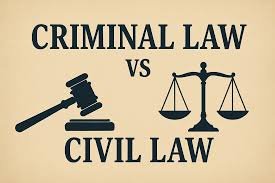
Life moves fast. One unexpected invoice, a minor car accident, or a sudden police call can turn an ordinary day into a legal headache. That is why millions of people every month type the same questions into Google: What is the difference between civil and criminal court? How long will this take? Do I need a lawyer right now? These are not abstract worries. They are the exact concerns that hit small business owners, families, and everyday individuals when contracts break, accidents happen, or accusations fly.
This straightforward question and answer guide cuts through the confusion. It explains both sides of the legal system in plain English, covers every area of law that comes into play, and shows you the smartest next steps without any fluff.
What Is Civil Litigation and When Does It Show Up in Real Life?
Civil litigation is the legal process that resolves disagreements between people, companies, or groups. No one goes to jail. The focus is on fixing the harm, usually with money or a court order that makes the other side stop what they are doing.
You see it everywhere today. A contractor abandons your home renovation halfway through. A neighbor’s tree damages your fence and they refuse to pay. An online store sells you a faulty product that causes injury. Even a single social media post that harms your reputation can spark a defamation case. With digital contracts, remote work, and online shopping now standard, civil disputes have become far more common than most people realize.
The key test is simple: Did you suffer actual harm because someone broke a promise or acted carelessly? If the answer is yes, you likely have a valid civil claim. Courts decide these cases on the balance of probabilities, meaning the evidence just has to tip slightly in your favor.
When these situations arise, turning to reliable guidance early makes all the difference. Many people start their search at legalhusk.com because it offers clear, practical resources designed for exactly these everyday challenges.
How Does the Civil Process Actually Unfold Step by Step?
Forget the dramatic courtroom scenes you see on television. Real civil litigation follows a clear, predictable path that most people can understand.
It begins when one side files a formal complaint explaining the problem and what they want as a solution. The other party gets a chance to reply. Then comes the information exchange phase, where both sides share documents, emails, photos, and witness details. This stage often reveals the true strength of each case.
Next, many disputes move to settlement discussions or mediation because going all the way to trial is expensive and time consuming. If talks fail, the matter heads to a hearing where a judge or jury reviews the evidence and issues a decision. The entire journey can take months for simple matters or years for complex ones, but the earlier you organize your records and understand your rights, the better your outcome.
Every branch of law appears here. Contract rules decide broken agreements. Tort principles cover accidents and negligence. Property law settles boundary and ownership fights. Employment and family issues frequently spill into civil court as well. The system exists to restore balance, not to punish.
For situations that involve contracts, injuries, business conflicts, or any of these civil matters, targeted expertise is available through dedicated services that walk you through every option from the very first step. You can explore these tailored civil litigation approaches directly by visiting Civil Litigation Services.
What Changes When a Matter Becomes Criminal Instead?
Criminal litigation is completely different because the government brings the charges. The goal is public safety and accountability, not personal compensation. Offenses range from minor theft and traffic violations to serious fraud, assault, or cyber crimes.
Here the proof standard is much higher: the case must be proven beyond any reasonable doubt. Penalties can include fines, probation, or time in prison. A single event can trigger both types of cases at once. If you cause an accident while driving under the influence, you may face criminal charges from the state plus a separate civil claim from the injured person for medical bills and lost wages. The two proceedings run on separate tracks with different rules and different possible results.
What Are the Most Common Questions People Ask About Criminal Cases?
The moment someone receives a summons or hears the words “you are under arrest,” panic sets in and the same searches explode online: What happens at the first court date? Can charges be dropped? Will this stay on my record forever?
The honest answer is that the first few days matter more than most people realize. You have the right to stay silent, the right to legal representation, and the right to see the evidence against you. Many cases are reduced or resolved through negotiations before they ever reach a full trial. Modern approaches now emphasize rehabilitation for first time and non violent offenses, yet a conviction can still affect jobs, housing, and travel for years afterward.
Constitutional protections run through every stage, from rules about searches to guarantees of a speedy and fair hearing. Evidence standards decide what the court can even consider. Sentencing balances punishment with fairness and second chances. Once charges are filed, almost every area of criminal law comes into sharp focus.
When accusations threaten your freedom, job, or family, having the right defense strategy from the beginning is essential. Experienced support for these criminal matters is clearly explained and ready to help at Criminal Litigation Support.
Read Also: Credit Risk Monitoring: Key Strategies to Protect Your Business
How Are Today’s Trends Shaping Both Civil and Criminal Cases?
Technology and modern life have changed everything. Artificial intelligence mistakes can lead to negligence claims. Data leaks spark waves of individual lawsuits and government investigations at the same time. Remote work has created brand new arguments over equipment ownership and workplace policies. Consumer cases against online platforms continue to rise sharply.
Courts stay busy, which is why judges now encourage early resolution in civil matters and diversion programs in suitable criminal ones. Deadlines remain strict, and missing them can end even the strongest claim. The most frequent regret people share after any legal issue is wishing they had sought clear advice sooner.
What Should You Do the Moment You Sense Trouble?
Stay calm and start collecting evidence while details are still fresh: keep every email, text, receipt, photo, and medical record. Write a simple timeline. Avoid posting about the situation anywhere online because those words can be used against you. Then ask yourself one crucial question: Is this a civil dispute, a criminal matter, or possibly both?
Handling either type alone rarely ends well. The paperwork, negotiation tactics, and court procedures are full time work. One small mistake can cost far more than professional help ever would.
The Takeaway: You Do Not Have to Navigate This Alone
Civil and criminal litigation together touch every corner of modern law, from contracts and torts to constitutional rights, evidence rules, property, employment, and emerging technology issues. Understanding the difference, knowing the steps, and recognizing when to act early turns overwhelming situations into manageable ones.
The questions swirling in your head right now have clear answers. The stress you feel today does not have to last. Gather your facts, understand your options, and reach out for the right guidance at the right moment. When you do, what feels like a crisis today can become a resolved chapter tomorrow.
You have already taken the first smart step by reading this far. The next one is even simpler: connect with support that actually understands what you are facing. Peace of mind is closer than it seems.



 How Search Connector for Box Enhances Document Collaboration?