

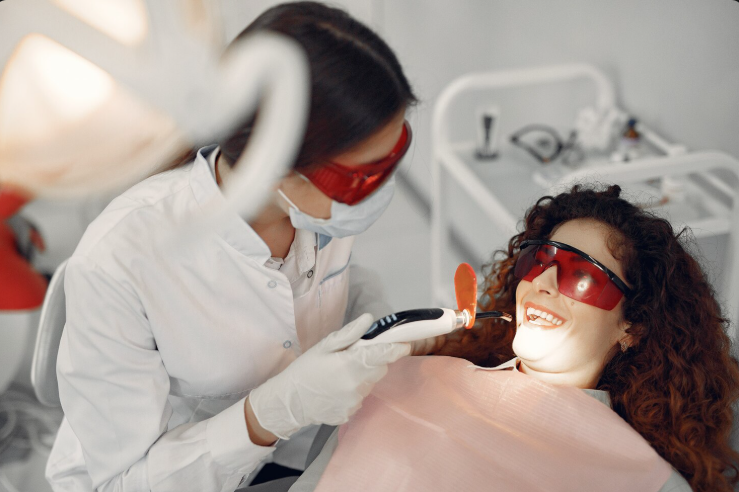
Modern dentistry continues to evolve through innovative technologies that improve patient comfort, treatment precision, and clinical outcomes. One of the most significant advancements in recent years is the use of dental lasers. Many patients are now asking whether laser dentistry can completely replace traditional dental procedures. While laser technology has transformed many areas of dental care, it is important to understand both its capabilities and limitations.
Today, laser treatment for teeth is used for a variety of procedures involving both hard and soft tissues. Dental lasers can help reduce discomfort, improve healing times, and provide a more precise treatment experience. However, not every dental procedure can be performed using laser technology alone.
What Is Laser Treatment for Teeth?
Laser dentistry involves the use of concentrated light energy to perform specific dental procedures. These specialized devices allow dentists to treat certain conditions with remarkable precision while minimizing damage to surrounding tissues.
Understanding Modern Laser Dentistry
Dental lasers are designed to target specific tissues within the mouth. Depending on the procedure, lasers may be used to remove tissue, reshape gums, reduce bacteria, or assist with cavity treatment.
Laser technology has become increasingly popular because it offers a minimally invasive alternative for many common dental procedures. Patients often appreciate the comfort and efficiency associated with laser-based treatments.
How Dental Lasers Work
Dental lasers generate focused beams of light energy that interact with oral tissues. The energy can remove, reshape, or disinfect targeted areas while preserving surrounding structures.
Benefits of laser technology include:
- Enhanced treatment precision
- Reduced bleeding during procedures
- Faster healing times
- Improved patient comfort
- Reduced risk of infection
These advantages make laser dentistry an attractive option for many patients.
Types of Lasers Used in Dentistry
Different types of lasers are used depending on the treatment being performed. Some lasers are designed for soft tissues such as gums, while others can be used on hard tissues such as teeth.
Dentists select the appropriate laser based on the patient’s condition and treatment goals.
What Dental Procedures Can Be Performed With Lasers?
Laser technology can be used across a wide range of dental applications.
Laser Gum Treatment for Periodontal Care
One of the most common uses of dental lasers is gum disease treatment. Lasers help remove infected tissue and bacteria from periodontal pockets while promoting healthier gum attachment.
Compared to traditional gum surgery, laser treatment often results in less discomfort and faster recovery.
Soft Tissue Laser Dentistry Applications
Soft tissue lasers are frequently used for procedures involving the gums and other oral tissues.
Common soft tissue applications include:
- Gum contouring
- Treatment of gum disease
- Removal of excess tissue
- Management of oral lesions
- Exposure of partially erupted teeth
These procedures often involve less bleeding and swelling than traditional surgical methods.
Laser Cavity Detection and Treatment
Certain lasers can assist with cavity detection and the removal of decayed tooth structure. This allows dentists to preserve more healthy tooth material during treatment.
Cosmetic and Aesthetic Dental Procedures
Laser technology may also support cosmetic treatments by improving gum symmetry and enhancing smile aesthetics. In some cases, patients receiving preventive services such as silver diamine fluoride treatment may also benefit from laser-assisted care as part of a comprehensive treatment plan.
What Are the Benefits of Laser Treatment for Teeth?
The growing popularity of laser dentistry is largely driven by the advantages it offers to both patients and dental professionals.
Improved Precision During Treatment
Lasers allow dentists to target specific tissues with exceptional accuracy. This precision helps preserve healthy tissue while treating only the affected area.
As a result, procedures can often be completed with greater efficiency and improved outcomes.
Reduced Discomfort and Anxiety
Many patients experience anxiety about traditional dental instruments. Laser technology often reduces the need for drills and scalpels, creating a more comfortable treatment experience.
This can be particularly beneficial for individuals who are nervous about dental procedures.
Faster Healing and Recovery
Because lasers are minimally invasive, tissues often heal more quickly after treatment. Patients may experience less swelling and discomfort during recovery.
Less Bleeding and Swelling
Laser energy can help seal blood vessels during treatment, reducing bleeding and supporting a cleaner surgical environment.
Benefits commonly reported by patients include:
- Reduced post-treatment discomfort
- Shorter recovery periods
- Lower risk of infection
- Minimal bleeding
- Greater overall comfort
Reduced Need for Traditional Instruments
In some situations, laser technology reduces the need for conventional tools, making procedures less intimidating for patients.
Is Laser Dentistry a Form of Painless Dentistry?
Many people associate laser dentistry with pain-free treatment. While lasers can improve comfort, it is important to have realistic expectations.
How Lasers Improve Patient Comfort
Laser treatments are often less invasive than traditional methods. Reduced tissue trauma can translate into a more comfortable experience during and after treatment.
Many procedures require less anesthesia than conventional approaches, which can further improve patient satisfaction.
Situations Where Anesthesia May Still Be Needed
Although lasers can reduce discomfort, some procedures still require local anesthesia. The need for anesthesia depends on the complexity of treatment and the individual’s comfort level.
What Patients Can Expect During Treatment
Most patients describe laser dentistry as comfortable and well tolerated. Recovery is often smoother than with traditional surgical techniques.
Laser Treatment vs Traditional Dental Procedures
Understanding how laser dentistry compares to conventional methods helps patients make informed decisions.
Differences in Treatment Methods
Traditional dentistry often relies on mechanical instruments such as drills and scalpels. Laser dentistry uses focused light energy to perform certain procedures.
Both approaches have valuable roles in modern dental care.
Comparing Recovery Times
Laser procedures frequently involve less tissue disruption, which can support faster healing and reduced recovery periods.
Accuracy and Tissue Preservation
Laser technology allows for precise targeting of treatment areas, helping preserve healthy tissue whenever possible.
Cost Considerations for Patients
Treatment costs may vary depending on the procedure and technology involved. While laser dentistry may sometimes involve higher fees, many patients appreciate the comfort and efficiency it provides.
Can Laser Treatment Replace Every Traditional Dental Procedure?
Although laser technology offers many benefits, it cannot completely replace all traditional dental techniques.
Procedures That Benefit Most From Laser Technology
Lasers are particularly effective for soft tissue treatments and certain periodontal procedures.
Examples include:
- Gum disease therapy
- Gum reshaping
- Soft tissue removal
- Bacterial reduction
- Certain cavity treatments
These applications continue to expand as technology advances.
Situations Where Traditional Methods Are Still Necessary
Some dental procedures still require conventional instruments. Complex restorations, certain extractions, and many restorative treatments cannot be performed exclusively with lasers.
Traditional techniques remain an essential part of comprehensive dental care.
Why Dentists Often Combine Both Approaches
Many dentists use a combination of laser and conventional methods to achieve the best possible outcomes. This approach allows treatment plans to be customized based on individual patient needs.
Laser Gum Treatment and Periodontal Care
Periodontal therapy remains one of the most valuable applications of laser dentistry.
Treating Gum Disease With Dental Lasers
Lasers can effectively reduce bacterial populations and remove diseased tissue associated with periodontal disease.
The precision of laser treatment helps protect healthy tissue while targeting infected areas.
Benefits of Laser Therapy for Gum Health
Laser-assisted periodontal treatment offers several potential advantages:
- Improved gum healing
- Reduced bacterial contamination
- Minimal bleeding
- Increased patient comfort
- Enhanced treatment precision
These benefits contribute to the growing popularity of laser periodontal therapy.
Supporting Long-Term Periodontal Maintenance
Ongoing professional care remains important following laser treatment. Regular dental visits help maintain gum health and monitor long-term progress.
Who Is a Good Candidate for Laser Dentistry?
Not every patient requires laser treatment, but many can benefit from this advanced technology.
Patients Seeking Minimally Invasive Care
Individuals who prefer less invasive procedures often find laser dentistry appealing because it can reduce tissue trauma and recovery time.
Individuals With Gum Health Concerns
Patients with periodontal issues are frequently strong candidates for laser-assisted treatment.
Cosmetic Dentistry Patients
Laser technology can support aesthetic procedures that improve smile appearance and gum symmetry.
Factors Your Dentist Will Evaluate
A qualified family dentist Kent WA will assess several factors before recommending laser treatment, including oral health status, treatment goals, and the nature of the condition being addressed.
What to Expect During a Laser Dentistry Appointment
Understanding the treatment process can help patients feel more comfortable before their appointment.
Initial Examination and Treatment Planning
The dentist begins with a comprehensive examination and discusses treatment objectives. This evaluation helps determine whether laser technology is appropriate.
The Laser Procedure Process
During treatment, the laser is carefully directed toward the target area. The procedure is designed to maximize precision while minimizing discomfort.
Recovery and Post-Treatment Care
Most patients experience relatively smooth recovery following laser procedures. Dentists provide individualized aftercare instructions to support healing and maintain results.
The Future of Laser Dentistry
Laser technology continues to advance and expand within the dental profession.
Advancements in Dental Technology
Ongoing research is improving laser systems and increasing their range of applications. New developments continue to enhance treatment efficiency and patient comfort.
Expanding Applications of Dental Lasers
As technology evolves, lasers are being incorporated into additional procedures and treatment protocols.
Why Laser Dentistry Continues to Grow in Popularity
Patients increasingly seek minimally invasive treatment options that provide effective results with greater comfort. Laser dentistry aligns well with these expectations and is expected to remain an important part of modern dental care.
Conclusion
Laser treatment for teeth has transformed many aspects of modern dentistry by providing precise, minimally invasive solutions for a variety of dental concerns. From gum disease therapy to cosmetic procedures, laser technology offers numerous benefits, including reduced discomfort, faster healing, and improved treatment accuracy. However, lasers cannot completely replace traditional dental procedures. Instead, they serve as valuable tools that complement conventional techniques and help dentists provide more personalized care. If you would like to learn whether laser dentistry is right for your needs, it is best to schedule a consultation and contact Implant Oral Surgery & Aesthetics for professional guidance.
Frequently Asked Questions
What is laser treatment for teeth?
Laser treatment for teeth uses focused light energy to perform various dental procedures, including gum treatments, cavity management, and cosmetic enhancements.
Is laser dentistry painful?
Most patients find laser dentistry more comfortable than traditional methods because it often reduces tissue trauma and minimizes discomfort.
Can lasers remove cavities?
Certain dental lasers can assist with cavity detection and removal, although traditional methods may still be necessary in some situations.
Is laser gum treatment effective?
Yes. Laser gum treatment can effectively reduce bacteria, remove diseased tissue, and support periodontal healing when used appropriately.
Can laser dentistry replace traditional dental procedures completely?
No. While laser technology is highly beneficial for many treatments, traditional dental techniques remain necessary for certain procedures and comprehensive patient care.

 Advanced Gas Turbine Engine Technology: Driving Efficiency, Power, and Modern Industrial Performance