

1. Introduction
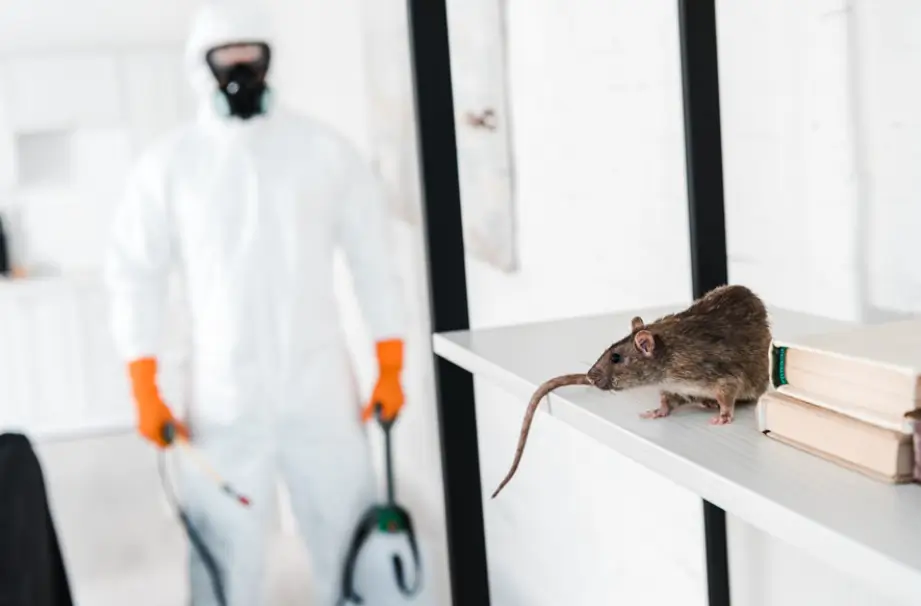
Pests don’t wait for a convenient time to show up, especially in commercial environments. One small sign—like droppings, scratching noises, or damaged stock—can quickly turn into a full-scale infestation. This is where commercial pest control becomes essential, not optional.
Unlike residential spaces, business premises have constant activity, stored goods, food waste, drainage systems, and multiple hidden entry points. All of this creates the perfect environment for pests to thrive if not properly managed. That’s why professional pest control is now a core part of business maintenance rather than just an emergency service.
A single rodent in a kitchen, warehouse, or office storage area can affect compliance, customer trust, and even legal standing. Prevention and rapid action are the real game changers.
2. Understanding How Pests Enter Commercial Properties
Most business owners assume pests enter through obvious openings, but the reality is far more subtle. Rodents like rats and mice can squeeze through tiny gaps in pipes, drains, vents, and foundations. Even sewer systems can act as hidden highways for infestation.
A major concern in urban environments is rats moving through underground drainage networks. This is why advanced inspection methods such as CCTV drain surveys are used to locate damage, cracks, and access routes inside pipelines.
This raises an important operational question in pest management: who is responsible for rats in sewers? In general, responsibility depends on whether the issue lies within private drainage systems or public sewer networks. However, if pests are entering a business property through internal drainage faults, it becomes the business owner’s responsibility to fix it quickly.
Modern commercial pest control focuses heavily on identifying these hidden entry points before treatment even begins. Without sealing access routes, infestations tend to return repeatedly.
3. Range of Pest Problems Businesses Commonly Face
Commercial spaces deal with a wider variety of pest issues compared to homes. Each environment attracts different species depending on hygiene levels, storage conditions, and building structure.
Some of the most common problems include:
- Rodents such as rats and mice in storage rooms and basements
- Cluster flies in warm, insulated areas
- Fleas in mixed-use or pet-related environments
- Moths damaging fabrics, stock, and packaging
- Pigeons nesting on rooftops and signage areas
- Squirrels entering lofts and ceiling spaces
- Wasps building nests near entrances or loading bays
- Drain-related infestations linked to poor waste systems
Each of these requires a different approach. Professional pest control teams don’t rely on one method—they design targeted strategies based on inspection results, infestation level, and building type.
For example, rodent control might involve proofing entry points and setting traps, while pigeon control may require deterrent systems on rooftops.
4. CCTV Surveys and Drainage-Based Pest Control
One of the most advanced tools in modern commercial pest control is CCTV drainage inspection. Many infestations originate below ground level, where traditional inspection is impossible.
CCTV surveys help identify:
- Broken or misaligned pipes
- Blocked drainage lines attracting rodents
- Entry points from sewer systems
- Structural weaknesses underground
- Moisture build-up encouraging pest activity
This technology is especially important in urban business districts where drainage systems are interconnected. Rats can travel long distances through sewers before entering a building through a small defect.
By identifying the exact route of entry, pest control experts can stop the infestation at its source rather than just treating visible symptoms.
This approach is what separates modern pest control from outdated reactive methods.
5. Why Businesses Need Professional Pest Control Support
Many companies attempt to handle pest issues internally, but commercial environments are far more complex than they appear. Without professional expertise, infestations often return.
A reliable commercial pest control service provides more than just removal—it offers structured protection.
Key advantages include:
Rapid Emergency Response
Pests spread quickly, so fast intervention is critical. Many providers offer same-day or 24/7 emergency support to prevent escalation.
Discreet Operations
Unmarked vehicles and professional uniforms ensure businesses maintain reputation and confidentiality.
Certified Technicians
Experts trained under organisations like the British Pest Control Association (BPCA) follow regulated, safe procedures for both treatment and prevention.
No Hidden Charges
Many services offer transparent pricing models, sometimes including no call-out fees when treatment is carried out.
Long-Term Prevention Planning
Beyond extermination, professionals focus on sealing entry points and reducing future risks.
This structured approach is what makes professional pest control far more effective than temporary DIY solutions.
See also: Pest Control Birmingham: Protecting Your Garden and Outdoor Spaces
6. Prevention Strategies That Actually Work
Eliminating pests is only half the job. The real success of commercial pest control lies in prevention.
Businesses can reduce risks by following practical steps such as:
- Sealing cracks around pipes, doors, and vents
- Keeping food storage areas tightly controlled
- Maintaining clean waste disposal systems
- Regularly inspecting drainage lines
- Removing standing water and leak sources
- Managing outdoor vegetation near buildings
Small oversights often become entry points. For example, a tiny gap behind a utility pipe can allow mice to enter unnoticed for weeks.
Regular inspections and maintenance routines help businesses stay ahead of infestations instead of reacting after damage occurs.
7. The Importance of Local Expertise in Pest Control
Local knowledge plays a big role in effective pest control. Pest behavior often varies depending on climate, building style, and urban density.
In many regions, pest control companies provide coverage across multiple towns and business districts, ensuring quick response times for emergencies. Areas commonly served include commercial hubs, industrial zones, and surrounding business parks.
Having a local team means faster inspections, quicker treatments, and better understanding of regional pest patterns.
This is especially important for businesses that operate across multiple locations and need consistent commercial pest control support.
8. Benefits of Strong Commercial Pest Control Systems
A well-managed pest control system offers long-term business advantages beyond simple pest removal.
Protects Brand Reputation
Customers expect clean, safe environments. Even a minor pest sighting can damage trust.
Ensures Regulatory Compliance
Health inspections require businesses to maintain pest-free premises, especially in food and hospitality sectors.
Prevents Financial Loss
Pests can destroy stock, damage infrastructure, and interrupt operations.
Improves Workplace Safety
Reduces exposure to disease-carrying pests and contaminated areas.
Provides Long-Term Stability
Prevention-focused pest control reduces repeat infestations and ongoing disruption.
These benefits make pest management a strategic investment rather than an optional service.
9. Conclusion: A Smarter Way to Protect Business Environments
Modern business environments demand more than reactive pest treatment. They require structured, intelligent, and preventive solutions. That’s exactly what professional commercial pest control delivers.
From hidden rodent activity in sewer systems to insects damaging stored goods, pest threats can appear in many forms. The key is early detection, expert inspection, and long-term prevention.
With advanced tools like CCTV drainage surveys, certified technicians, and tailored treatment plans, professional pest control ensures businesses stay protected, compliant, and operational without disruption.
 Personalised Signage Telford That Helps to Create a Lasting Impression