

Table of Contents
- Importance of Preventive Dental Care
- Dental Care Options for Military Retirees
- VA Dental Care Programs
- TRICARE Dental Programs
- Eligibility and Enrollment
- Costs and Coverage
- Tips for Maintaining Oral Health
- Conclusion
Good oral health is a key factor for overall health and well-being, especially for military retirees and veterans who may face unique challenges accessing consistent dental care. Early detection of dental issues through regular check-ups prevents minor concerns from becoming serious health problems later in life. It is important for those who have served to fully leverage available resources, including veteran dental insurance, to ensure they receive the quality care they deserve.
While it is well known that oral health impacts everything from heart disease to diabetes management, many are surprised to learn how easily oral issues can be missed without routine preventive care. Restoring and protecting dental health after military service means understanding all available dental programs, taking advantage of preventive tools, and following sound oral hygiene practices at home.
Navigating your options can seem complex. From vet-specific programs to dental plans offered through TRICARE and legislative updates expanding coverage, knowing what you qualify for makes a significant difference in your quality of life. Having reliable dental coverage supports not just oral health but also keeps medical expenses in check as you age.
Recent policy changes, such as those highlighted in larger sources like the American Dental Association’s veterans initiatives, are improving access to care and offering more comprehensive services. Military retirees are increasingly empowered to choose plans that fit their needs, financial situation, and healthcare priorities.
Importance of Preventive Dental Care
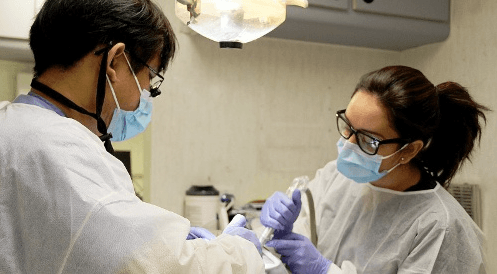
Preventive dental care helps stop oral problems before they require expensive treatment. Simple measures, such as professional cleanings and regular exams, reduce the risk of tooth decay and gum disease. The Centers for Disease Control and Prevention (CDC) has reported that preventive dental visits lower the likelihood and cost of managing chronic diseases linked to poor oral health. By identifying problems early, retirees can avoid more invasive procedures and keep their natural teeth longer.
Dental Care Options for Military Retirees
There are a range of dental options available once you leave active service. Military retirees can access plans through the Veterans Affairs (VA), federal dental insurance offerings, and private carriers. Each option provides different coverage levels, premiums, and provider networks. Staying informed about dental care options allows veterans to match their coverage to their needs, whether they are looking for basic preventive care or more specialized treatments.
It’s also important for retirees to consider the proximity of providers within their chosen network, as well as the flexibility of each plan for specialty care. Consider reviewing different plans annually as benefits and costs may change. Speaking with other retirees and reading online reviews can help members of the military community gauge satisfaction with specific carriers and dentists.
VA Dental Care Programs
The VA offers important dental programs, but eligibility depends on several factors, including disability status, service-connected conditions, and participation in specific programs. Veterans who qualify can receive a comprehensive range of dental services, from cleanings and fillings to more complicated procedures. The VA is continually evolving its dental care approach and has launched initiatives to expand access for more veterans.
Additionally, VA dental clinics sometimes offer outreach and educational events, making it easier for veterans to learn about maintaining lifelong oral health. Many clinics provide resources or refer eligible veterans to community dental services, bridging the gap for those who may not qualify for full coverage but still need essential treatment.
TRICARE Dental Programs
TRICARE dental programs serve a wide range of beneficiaries, including retired military families, National Guard and Reserve members, and their dependents. These programs provide access to preventive services, restorative care, and specialty treatments, with enhanced flexibility enabled by recent laws that expand carrier choice. Beneficiaries should evaluate current offerings, noting improved plan diversity and competitive pricing.
Eligibility and Enrollment
The process of qualifying for dental coverage depends on specific eligibility rules. For VA care, eligibility may be linked to disability rating, recent participation in VA health programs, or other unique circumstances. TRICARE eligibility, on the other hand, typically extends to retirees, their spouses, and dependents. Applications for either program can often be completed online, but it is crucial to review the individual plan requirements to ensure a smooth, timely enrollment.
Costs and Coverage
Dental plan costs vary by program, coverage tier, and selected services. TRICARE plans, for example, often have monthly premiums and may require a cost-share or copay for certain treatments beyond preventive care. VA dental care may be completely covered for those who meet strict eligibility criteria, while others may need to pay a portion of the costs. Reading through your plan’s benefits brochure and understanding in-network options can help minimize out-of-pocket expenses and avoid surprises at the dentist’s office.
Always confirm with your provider if a recommended procedure is covered, and inquire about any required pre-authorization. Comparing out-of-pocket expenses and annual maximums across available plans ensures better financial planning and prevents unexpected costs. It can also be beneficial to check if your plan covers emergency dental care or orthodontics for dependents, as these features vary widely between providers.
Tips for Maintaining Oral Health
- Brush your teeth at least twice daily with a fluoride toothpaste to remove plaque and prevent decay.
- Floss every day to clean between teeth where brushes can’t reach, reducing the risk of gum disease.
- Reduce intake of sugary snacks and drinks to prevent cavities.
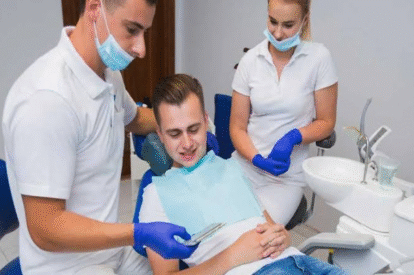
- See your dentist for regular check-ups and professional cleanings to catch problems early.
- Incorporate mouthwash into your routine for added protection and fresher breath.
Conclusion
Dental health is a vital part of overall wellness for military retirees and veterans. By understanding and utilizing available dental plans, maintaining preventive care routines, and staying informed about policy changes and coverage options, retirees and their families can manage costs and protect their long-term health. Making oral health a priority after service delivers benefits well beyond the dental chair, supporting a better quality of life every day.

 The Floor Is Dry, and the Room Still Smells. Here’s What Emergency Water Cleanup Covers