Walk through almost any workshop in Melbourne’s northern suburbs, and you will spot the same scene near the roller door. One bin holds steel offcuts, copper tails, a couple of dead motors and half a pallet of shrink wrap sitting on top of it all. The metal in that bin has a market price. The packaging does not. Scrap metal recycling in Melbourne pays properly when those two streams never meet, and that one habit separates plants that get paid well from plants that get a shrug and a low number.
The gap has little to do with machinery or floor space. It comes down to sorting, storage and knowing what a recycler can take. Factories that treat scrap metal recycling in Melbourne as a scheduled part of production, rather than a Friday clean-up, tend to see steadier returns year-round.
Mixed Bins Lower the Price of Good Metal
A bin of clean copper and a bin of copper buried under steel, plastic and timber are two different products. The second one costs the recycler time to pull apart, and that cost comes off the price.
Here is why sorting matters more than most production managers expect. Metals sit at the top of Australia’s recovery table, with an estimated 90 per cent recovery rate in 2022 to 2023, ahead of every other material category. That number holds up because metal arrives at yards in a state worth processing.
Simple changes help:
- Separate ferrous from non-ferrous at the point where the scrap is made, not at the bin
- Give copper, brass and aluminium their own containers.
- Keep oils, plastics and timber out of metal storage.
- Label containers so night shift follows the same system as day shift.
See also: Turbine Blend Polish Peen Services to Improve Turbine Life and Performance
Not Every Load Qualifies for Scrap Metal Collection
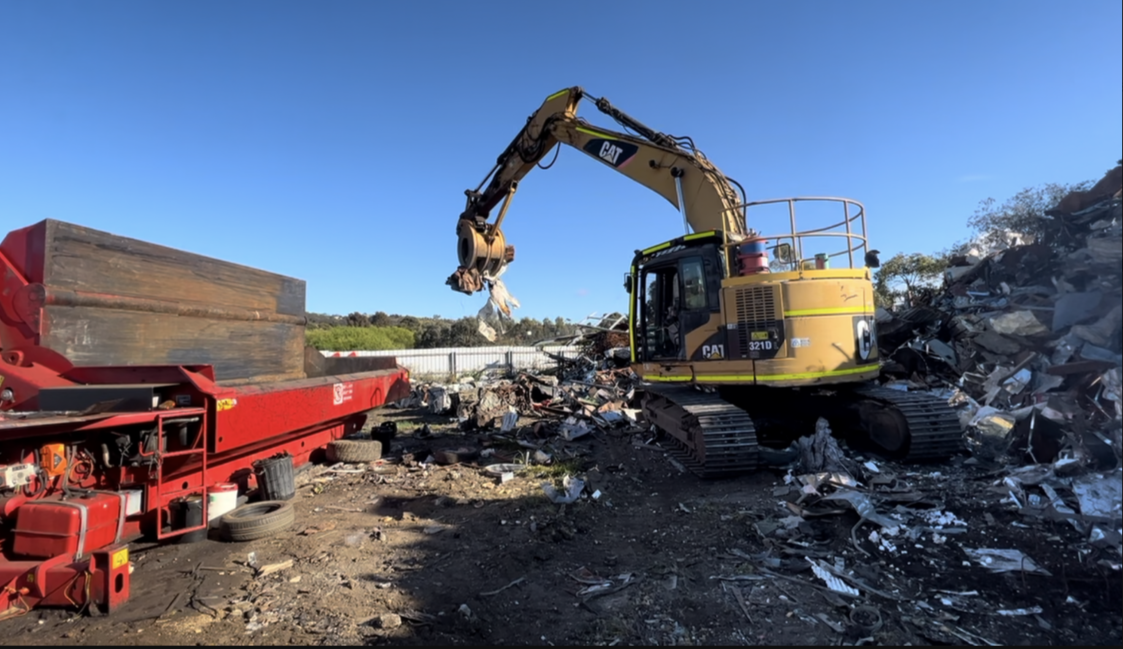
This one causes real frustration. Collection services from operators such as SRS Metals are built for large commercial and construction sites, where the volume justifies sending a truck. Small loads do not work that way. A few crates of offcuts sitting in the corner will usually need to be brought in to the yard by the business itself, and in some cases that means hiring a truck for the run.
Plenty of smaller manufacturers assume a phone call brings a vehicle out for any quantity. It does not. Planning around that changes how a site stores scrap, because the goal shifts from clearing space weekly to building a load worth moving.
Think of it as freight maths. Trucks cost money per trip. Volume decides whether the trip makes sense for anyone.
Ferrous and Non-Ferrous Metals Are Not Priced the Same
Steel and iron are ferrous. Copper, aluminium, brass, lead and stainless sit in the non-ferrous group. The price difference can be wide, and mixing them often means the whole load gets graded down to the cheaper category.
A magnet settles most questions on the floor in about two seconds. It is a low-tech, slightly old-fashioned check, and it still works better than guessing by colour or weight.
Some sites go further and keep a short reference sheet near the bins. Not everyone needs it. New staff usually do.
E-Waste Cannot Go in the General Waste Bin
Victoria banned e-waste from landfill on 1 July 2019. That covers anything with a plug, battery or power cord. Control boards, old computers, cabling, sensors and workshop electronics all fall inside the ban.
Factories still throw this material into general waste, sometimes without realising the rule applies to business premises as much as households. The metal content in those items has recovery value, and they must go down a separate disposal route from ordinary rubbish.
If it once ran on power and it is no longer wanted, it needs to go to an e-waste stream rather than the skip.
Timing the Load Instead of Reacting to It
Scrap builds at a predictable rate in most plants. Output goes up, offcuts go up. That means collection can be planned, not triggered by a full bin blocking a walkway.
Sites that track their scrap volume monthly start to see patterns. They know roughly when a load is ready. They stop paying for extra handling caused by rushed clean-ups before an audit or a shutdown.
Australia exported 2.3 million tonnes of scrap metal for recycling in 2022 to 2023, which was 64 per cent of all waste exports from the country. That market runs on graded, clean material arriving in workable quantities. Loads that meet the standard move through the system faster.
Next steps for a Melbourne factory are not complicated. Look at what leaves the site as waste this week, work out how much of it is actually metal, and decide where each type will go before it reaches the bin. The payback shows up in the first proper load.
To talk through commercial and construction site collection, bin and cage options, or bringing a load into the yard, contact SRS Metals at enquiries@srsmetals.com.au.