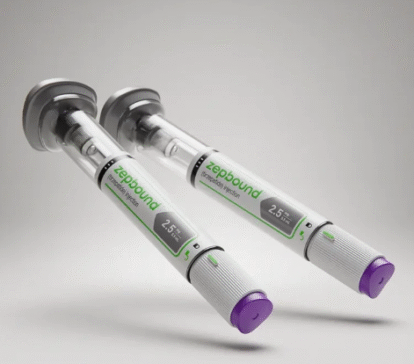
Wegovy can support weight loss by reducing appetite, influencing calorie intake, and helping people feel satisfied with smaller amounts of food. Its active ingredient, semaglutide, works as a GLP-1 receptor agonist and is intended to be used alongside a reduced-calorie diet and increased physical activity. AM Rx provides medical weight management support for eligible adults and may prescribe wegovy weight loss prescription when a healthcare provider determines that it is appropriate.
Not everyone responds to Wegovy in exactly the same way. Some people may notice appetite changes early in treatment, while others may experience more gradual changes in weight and eating habits. Factors including dosage, starting weight, nutrition, physical activity, treatment consistency, medical conditions, other medications, and individual biology can all influence the overall response.
Starting Weight and Body Composition
Starting weight can influence how weight loss appears over time. Losing a certain percentage of body weight can represent a different number of pounds for different people. For this reason, healthcare providers may consider percentage-based changes along with other measurements when evaluating progress.
Body composition can also affect the way weight changes appear. Two people with similar starting weights may have different amounts of muscle and body fat, leading to different responses during treatment. Weight alone does not always provide a complete picture of changes taking place in the body.
Wegovy Dosage and Treatment Duration
The prescribed Wegovy dose can influence treatment response. Injectable Wegovy generally begins at 0.25 mg once weekly for four weeks, followed by gradual dose increases according to the prescribing healthcare professional’s instructions. The usual recommended maintenance dose for weight management is 2.4 mg once weekly, although individual dosing may depend on treatment response and tolerability.
Time on treatment also matters. Wegovy is intended for long-term weight management rather than rapid short-term weight reduction. Early changes may be smaller, while continued treatment can produce greater changes over time. A slower response during the initial period does not automatically mean that the medication will be ineffective later.
Appetite and Eating Habits
Wegovy affects appetite through GLP-1 pathways involved in regulating food intake. Some people may feel less hungry, experience fewer cravings, or become satisfied after smaller meals. These changes can make it easier to reduce calorie intake and maintain a healthier eating pattern.
Eating habits still have an important role in overall results. Choosing nutrient-dense foods, managing portions, eating slowly, and maintaining a balanced diet can complement the appetite-related effects of Wegovy. The medication does not remove the need for adequate nutrition.
Diet and Calorie Intake
Wegovy is used alongside a reduced-calorie diet. The overall amount and quality of food consumed can therefore influence weight loss. Meals that provide protein, fiber, vitamins, minerals, and other nutrients can support the body while calorie intake is reduced.
Extremely restrictive eating is not necessary for healthy weight management. Consistently eating too little can make it difficult to meet nutritional needs and may affect energy levels. A sustainable eating pattern that fits everyday life can provide better long-term support.
Physical Activity and Exercise
Regular physical activity can complement Wegovy treatment by supporting energy expenditure, cardiovascular health, strength, mobility, and overall fitness. Exercise can also help support muscle during a period of weight reduction.
The amount of activity needed can vary from person to person. Walking, cycling, swimming, resistance training, and other activities can be adjusted based on fitness level and health needs. Combining aerobic activity with strength exercises can provide broader benefits during weight management.
Treatment Consistency
Following the prescribed treatment schedule can influence how consistently Wegovy works over time. Injectable Wegovy is generally taken once weekly, and dose changes should follow the healthcare provider’s instructions rather than being made independently.
Consistency also applies to lifestyle habits. Regular physical activity, balanced nutrition, hydration, and ongoing medical follow-up can all contribute to the overall treatment process. Occasional setbacks do not necessarily mean that progress has been lost, but returning to healthy routines can help maintain momentum.
Medical Conditions and Other Medications
Existing health conditions can influence weight and the body’s response to treatment. Conditions involving metabolism, hormones, digestion, or other areas of health may affect how quickly weight changes occur.
Other medications can also play a role. Some medicines may influence appetite, fluid levels, blood sugar, or body weight. This is why healthcare providers review a patient’s medical history and current medications when determining whether Wegovy is appropriate and how treatment should be managed.
Individual Biological Response
Every person’s body responds differently to medication. Genetics, metabolism, age, body composition, appetite regulation, and other biological factors can influence the amount and pace of weight loss experienced with Wegovy.
Clinical studies provide average results, but those averages do not predict exactly what one person will experience. Some people may lose more weight than the study average, while others may lose less. Comparing individual progress with another person’s results can therefore create unrealistic expectations.
Side Effects and Treatment Tolerance
How well a person tolerates Wegovy can also affect the treatment experience. Common side effects include nausea, diarrhea, vomiting, constipation, abdominal pain, headache, fatigue, and other gastrointestinal symptoms. These effects can influence food intake, hydration, physical activity, and daily routines.
Side effects can be more noticeable during periods of dose increases. Persistent or severe symptoms should be discussed with a healthcare professional. Appropriate medical monitoring can help determine whether changes to the treatment plan are necessary.
Sleep and Daily Lifestyle
Sleep and daily routines can indirectly affect weight management. Poor sleep may influence energy levels, eating behavior, exercise habits, and overall motivation. Maintaining a consistent sleep schedule can support healthier routines during treatment.
Stress can also influence eating patterns and physical activity. Finding practical ways to manage stress, including regular movement, relaxation activities, hobbies, and social support, can make healthy habits easier to maintain.
Hydration and Digestive Health
Adequate hydration is important during weight loss treatment. This becomes particularly relevant when someone experiences gastrointestinal symptoms that can lead to fluid loss. Drinking enough fluids throughout the day can support normal bodily functions and overall well-being.
Digestive comfort can also influence eating habits. Because Wegovy can slow stomach emptying and cause gastrointestinal side effects, some people may find that smaller meals and slower eating are more comfortable. Anyone experiencing persistent digestive problems should seek medical guidance.
How AM Rx Can Support Wegovy Treatment
AM Rx provides medical weight management support for eligible patients and may prescribe Wegovy when clinically appropriate. Its program also includes weight loss coaching, nutrition and fitness guidance, and progress tracking. These services can help patients address several factors that may influence their response to treatment.
Ongoing medical support allows treatment progress to be reviewed over time. Healthcare providers can consider changes in weight, appetite, lifestyle habits, side effects, and overall health when evaluating the treatment plan. AM Rx combines these areas to provide a broader approach to weight management.
See also: Search Engine Optimization Services That Improve Website Visibility and Organic Traffic
Tracking Progress Over Time
Looking at long-term trends can provide a more accurate picture of how someone is responding to Wegovy. Daily weight can fluctuate because of hydration, digestion, sodium intake, and other factors, so individual measurements may not always reflect actual changes in body fat.
Tracking weight along with waist measurements, physical activity, eating habits, and other health markers can provide additional context. Regular monitoring also gives healthcare providers useful information when deciding whether the current treatment plan should continue or change.
Final Thoughts
Several factors can affect how a person responds to Wegovy, including starting weight, dosage, treatment duration, appetite, nutrition, physical activity, treatment consistency, medical conditions, other medications, and individual biology. Side effects, sleep, stress, hydration, and daily habits can also influence the overall experience.
There is no single response that applies to everyone using Wegovy. Focusing on consistent treatment, balanced nutrition, regular movement, and medical monitoring can provide a stronger foundation for long-term weight management. AM Rx combines Wegovy treatment for eligible patients with coaching, nutrition and fitness support, and progress tracking to support the broader weight loss process.